
Diwali 2026: Date, Significance, Traditions & Complete Guide — Region-Wise
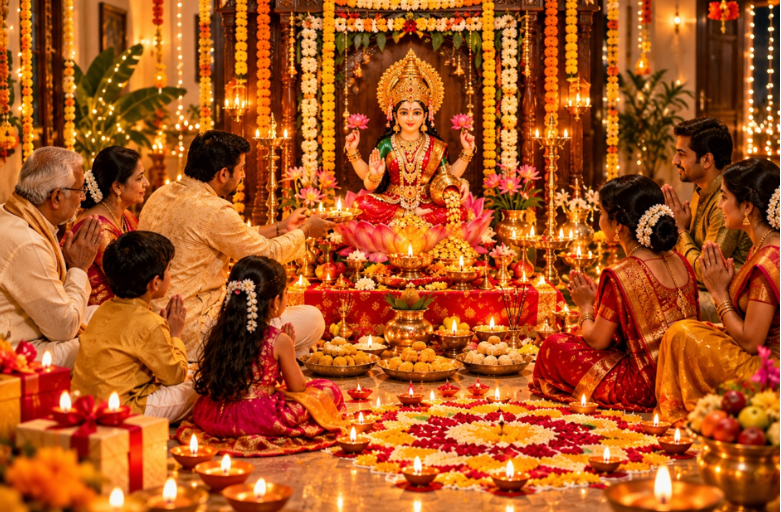
Table of Contents
When Is Diwali in 2026?
Diwali 2026 falls on Sunday, 8 November 2026. The main celebration is associated with Kartik Amavasya, the new-moon day in the Hindu lunar calendar. Families celebrate by lighting diyas, performing prayers, decorating their homes, exchanging gifts, and sharing festive meals.
The exact dates of associated observances and the auspicious time for Lakshmi Puja can vary according to regional traditions and local Panchang calculations.
Diwali 2026 Date and Day in India
| Detail | Information |
|---|---|
| Festival | Diwali 2026 |
| Also known as | Deepavali, Deepawali, Festival of Lights |
| Date | Sunday, 8 November 2026 |
| Main observance | Diwali and Lakshmi Puja |
| Hindu lunar calendar | Kartik Amavasya |
| Puja timings | Depend on the city and local Panchang |
| Main traditions | Lighting diyas, prayers, rangoli, sweets, and family gatherings |
Why Does the Date of Diwali Change Every Year?
Diwali follows the Hindu lunisolar calendar rather than a fixed date in the Gregorian calendar. Its timing is connected with Amavasya, the new-moon day in the relevant lunar month.
Because lunar months do not align exactly with Gregorian months, Diwali generally falls in October or November. The date changes each year, and differences in regional calendar calculations can affect the observance of associated festivals.
For example, Diwali was celebrated on 20 October in 2025 and falls on 8 November in 2026.
Diwali 2026 Calendar at a Glance
The Diwali festive period includes several observances associated with prosperity, purification, worship, family relationships, and new beginnings.
| Festival or observance | Date in 2026 | Significance |
|---|---|---|
| Govatsa Dwadashi / Vasu Baras | 5 November, Thursday | Observed in certain regional traditions |
| Dhanteras | 6 November, Friday | Associated with prosperity and traditional purchases |
| Kali Chaudas and related observances | 7 November, Saturday | Associated with regional rituals and protection |
| Diwali and Lakshmi Puja | 8 November, Sunday | Main Festival of Lights celebration |
| Regional post-Diwali observances | 9 November, Monday | Practices vary by region |
| Govardhan Puja and Annakut | 10 November, Tuesday | Associated with Lord Krishna and food offerings |
| Bhai Dooj / Bhau Beej | 11 November, Wednesday | Celebrates the bond between siblings |
Why Is Diwali Celebrated? Significance and History
Diwali's significance extends beyond decorative lights and festive celebrations. Its religious stories and rituals express themes of hope, renewal, knowledge, prosperity, devotion, and the triumph of good over evil.
The Story of Lord Rama's Return to Ayodhya
One of the best-known explanations for Diwali in North India comes from the Ramayana. After completing fourteen years of exile and defeating Ravana, Lord Rama returned to Ayodhya with Sita and Lakshmana.
According to this tradition, the people welcomed them by lighting rows of lamps. The story is closely associated with the custom of illuminating homes and streets during Diwali.
The Story of Lord Krishna and Narakasura
Another important tradition connects Naraka Chaturdashi with Lord Krishna's defeat of Narakasura, a ruler described in Hindu mythology as oppressive.
In versions of the story, Krishna and Satyabhama defeat Narakasura and free those held captive. The episode symbolizes the end of oppression and the restoration of justice.
This story is particularly significant in many South Indian Diwali celebrations.
The Significance of Goddess Lakshmi and Lord Ganesha
Goddess Lakshmi is associated with wealth, prosperity, abundance, and well-being. Many families perform Lakshmi Puja to express gratitude and seek blessings for the coming year.
Lord Ganesha, associated with wisdom and auspicious beginnings, is commonly worshipped alongside Lakshmi. Some traditions also include Goddess Saraswati or other deities according to family and regional customs.
Diwali as the Victory of Good Over Evil
The significance of Deepavali is expressed through several religious stories rather than one universal explanation. Rama's return to Ayodhya, Krishna's victory over Narakasura, and other regional narratives connect the festival with the restoration of justice, peace, and well-being.
The Spiritual Meaning of Light Over Darkness
Diyas and other lights are among the most recognizable symbols of Diwali. They represent hope, awareness, spiritual understanding, and the possibility of a fresh beginning.
For many families, the festival is also an opportunity to express gratitude, support people in need, forgive past disagreements, and strengthen relationships.
Diwali also has significance beyond Hindu traditions. Jains associate the period with Mahavira's attainment of nirvana, while Sikhs celebrate Bandi Chhor Divas around this time. Some Buddhist communities also observe traditions associated with the period.
Diwali Celebrations Across Different Regions of India
Diwali, also known as Deepavali, is celebrated across India with a variety of religious rituals, family traditions and community festivities. While lighting diyas, offering prayers, decorating homes and sharing sweets are common themes, the festival has a different significance in different regions. Some communities celebrate Lord Rama's return to Ayodhya, others give importance to Lord Krishna's victory over Narakasura, while West Bengal is especially known for Kali Puja.
For devotees, these regional celebrations also offer opportunities to explore temples, understand local religious traditions and participate in festival-related worship. Here is how Diwali is celebrated across different parts of India.
Diwali in North India
In many parts of Uttar Pradesh, Delhi, Rajasthan, Haryana and neighbouring states, Diwali is associated with the return of Lord Rama to Ayodhya after fourteen years of exile. According to the Ramayana tradition, people welcomed Rama, Sita and Lakshmana by lighting rows of lamps. This story remains an important part of Diwali celebrations across the region.
Families begin preparations by cleaning their homes, decorating entrances with rangoli and flowers, and arranging diyas around courtyards, balconies and windows. On the main Diwali evening, many households perform Lakshmi-Ganesh Puja, seeking blessings for prosperity, wisdom and a positive beginning to the coming year. Families then share sweets, exchange gifts and visit relatives.
Temple visits and community celebrations are also important in many places. Ayodhya holds special significance because of its association with Lord Rama. Its Deepotsav celebrations, when organised, bring together illuminated riverfront areas, cultural programmes and devotional activities. Other cities have their own temple traditions and local festivities.
Common Diwali traditions in North India include:
Lighting rows of clay diyas and decorating homes with electric lights.
Creating rangoli designs and decorating entrances with flowers.
Performing Lakshmi-Ganesh Puja during the evening.
Preparing and sharing sweets such as laddoo, gujiya and barfi.
Visiting temples and attending announced religious programmes.
Exchanging gifts and gathering with family and friends.
Religious connection: Devotees interested in the Ramayana tradition may include visits to Shri Ram Janmabhoomi Mandir and other temples associated with Lord Rama in their Ayodhya pilgrimage.
Diwali in Western India
Western India has several distinctive Diwali customs, particularly in Maharashtra and Gujarat. The celebrations extend across multiple days and include prayers, traditional food, family gatherings, business-related worship and regional New Year observances.
Diwali in Maharashtra
In Maharashtra, the Diwali period may begin with Vasu Baras and continue through Dhanteras, Naraka Chaturdashi, Lakshmi Puja, Diwali Padwa and Bhau Beej. Each day has its own significance and customs.
On Naraka Chaturdashi, many families follow an early-morning ritual known as Abhyang Snan, a traditional oil bath taken before sunrise. Families wear new clothes, light lamps and prepare a variety of festive foods. The main Diwali evening is often dedicated to Lakshmi Puja, while Diwali Padwa celebrates family relationships and new beginnings. Bhau Beej brings brothers and sisters together for prayers, meals and the exchange of gifts.
Food is an important part of Maharashtra's celebrations. Families commonly prepare a special selection of Diwali snacks and sweets known as faral, which may include chakli, karanji, ladoo, chivda and shankarpali.
Diwali in Gujarat
In Gujarat, Diwali is closely associated with Lakshmi Puja, Chopda Pujan and the Gujarati New Year. During Chopda Pujan, business owners and traders worship their account books and financial records, seeking blessings for prosperity and success in the coming year. Modern businesses may adapt this custom to their accounting practices.
Homes and shops are decorated with rangoli, flowers and lamps. Families exchange sweets, visit relatives and welcome the New Year with prayers and festive meals. Govardhan Puja and Annakut are also important in many Gujarati communities, particularly at Krishna temples, where devotees prepare and offer a variety of dishes to the deity.
Diwali in Pune
Pune reflects many of Maharashtra's wider Diwali traditions. Homes and residential areas are decorated with Akash kandil (decorative lanterns), colourful rangoli and rows of diyas. Families prepare traditional faral, visit local markets and celebrate with relatives.
Temple visits and community programmes may also form part of the festive period. Visitors can experience the city's festive atmosphere while exploring its religious and cultural heritage.
Common Diwali traditions in Western India include:
Religious connection: Devotees can explore Goddess Lakshmi temples and Lord Krishna temples in the region, particularly where special Lakshmi Puja or Annakut observances are announced.
Diwali in South India
In many parts of South India, Deepavali places particular emphasis on Naraka Chaturdashi, which commemorates Lord Krishna's victory over Narakasura in several Hindu traditions. Unlike the evening-centred celebrations common in parts of North India, the early morning of the festival is especially important in many South Indian households.
Families may wake before sunrise, take a traditional oil bath, wear new clothes, light lamps and prepare festive meals. Prayers and family gatherings are followed by sharing sweets and savoury snacks. The exact customs differ between states and communities.
Diwali in Tamil Nadu
In Tamil Nadu, Deepavali is commonly celebrated early in the morning on Naraka Chaturdashi. Families traditionally begin the day with an oil bath, wear new clothes and perform prayers at home. Some households prepare or use Deepavali legiyam, a traditional herbal preparation associated with the festive meal.
Traditional foods may include adhirasam, murukku, mixture and other sweets and savoury snacks. Families visit relatives, exchange food and enjoy the festival together. Temple visits and prayers may also be part of the celebration, depending on local customs.
Diwali in Karnataka
Karnataka's Deepavali traditions may include oil baths, Lakshmi Puja, lighting lamps and preparing festive meals. In some communities, the celebrations continue with Bali Padyami, which is associated with the story of King Bali and is observed on the day following the main Diwali celebration.
Families may decorate their homes, visit temples and gather for traditional meals. The customs followed can differ between regions and communities within the state.
Diwali in Telangana and Hyderabad
In Telangana, including Hyderabad, families celebrate Deepavali by decorating homes with diyas and lights, creating rangoli and performing prayers. Lakshmi Puja is observed by many households, while sweets, gifts and family gatherings form part of the festivities.
Markets and neighbourhoods take on a festive atmosphere as people shop for clothes, decorations, sweets and household items. Hyderabad's diverse communities also bring different regional customs to the celebrations.
Diwali in Kerala
Diwali is observed by some communities in Kerala, although it is generally less prominent across the state than major festivals such as Onam and Vishu. Where it is celebrated, families may light lamps, prepare sweets, wear new clothes and perform prayers according to their traditions.
The scale of celebrations and the rituals followed vary between communities and households. Visitors should not assume that Diwali observances are the same throughout Kerala.
Common Diwali traditions in South India include:
Religious connection: Devotees interested in Krishna traditions can explore Lord Krishna temples and learn about the Narakasura story. Temple timings and special Deepavali worship arrangements should be checked locally.
Diwali in Eastern India
Eastern India has distinctive Diwali traditions shaped by regional religious beliefs and community customs. West Bengal is particularly known for Kali Puja, while Odisha and Bihar observe the festival through their own household and regional practices.
Diwali in West Bengal
In West Bengal, Kali Puja is one of the most important religious observances around Diwali. While many parts of India focus on Lakshmi-Ganesh Puja on the main Diwali evening, devotees in Bengal worship Goddess Kali, seeking her blessings and protection.
Homes, temples and neighbourhoods are decorated with lamps and lights. Communities organise Kali Puja celebrations, and devotees visit temples and temporary pandals to offer prayers. Depending on local traditions, worship may continue late into the night.
Diwali in Kolkata
Kolkata is especially known for its elaborate Kali Puja celebrations. Neighbourhoods organise decorated pandals, where beautifully crafted images of Goddess Kali are installed for public worship. Families visit these pandals, offer prayers and enjoy the illuminated streets and community atmosphere.
One of the important pilgrimage destinations is Kalighat Kali Temple, where devotees worship Goddess Kali throughout the year. During the Diwali period, visitors may wish to include the temple in their Kolkata itinerary, subject to its festival schedule and crowd arrangements.
Diwali in Odisha
In Odisha, Diwali is associated with household worship, lamps and regional customs connected with ancestors. One distinctive tradition observed by some families is Badabadua Daka, in which prayers are offered in remembrance of ancestors. Some households also light traditional bundles of jute sticks, known as Kaunria Kathi, as part of this observance.
Families decorate their homes, prepare festive food and observe local rituals. These customs give Odisha's Diwali celebrations a distinctive connection with family heritage and ancestral remembrance.
Diwali in Bihar
In Bihar, Diwali is celebrated with home decorations, lighting diyas, Lakshmi Puja and family gatherings. Families may prepare traditional sweets, exchange gifts and visit relatives. The festive period is also followed by Chhath Puja, an important regional observance dedicated to the worship of the Sun God.
Although Chhath Puja is a separate festival from Diwali, it is an important part of the wider festive season in Bihar. Its rituals, including prayers and offerings near rivers and other water bodies, bring communities together.
Common Diwali traditions in Eastern India include:
Religious connection: Visitors to West Bengal can consider Kalighat Kali Temple as part of a Diwali pilgrimage. Those interested in regional traditions can also learn about the different forms of worship followed across eastern India.
Diwali in Central India
Central India celebrates Diwali through a combination of household worship, regional customs, festive shopping and community gatherings. Madhya Pradesh and Chhattisgarh have their own local traditions, with celebrations varying between cities, towns and rural communities.
Diwali in Madhya Pradesh
In Madhya Pradesh, cities such as Bhopal and Indore come alive with decorated homes, illuminated markets and festive shopping. Families clean their homes, prepare rangoli, light diyas and perform Lakshmi-Ganesh Puja. Sweets, gifts and family gatherings are also an important part of the celebrations.
Ujjain is a significant religious destination in the state because of Shri Mahakaleshwar Jyotirlinga Temple, dedicated to Lord Shiva. Devotees visiting during the Diwali period may include Mahakaleshwar darshan in their pilgrimage and explore the city's wider religious heritage. The temple's special puja timings and festival arrangements should be confirmed before visiting.
Diwali in Chhattisgarh
In Chhattisgarh, Diwali is generally celebrated with household prayers, lamps, sweets and family gatherings. Homes and entrances are decorated, and families may visit relatives or participate in local community celebrations.
Customs can differ between urban areas and rural communities, as well as among the state's different cultural groups. The wider festive period may also include regional observances and local religious practices.
Common Diwali traditions in Central India include:
Religious connection: For devotees travelling through Madhya Pradesh, Shri Mahakaleshwar Jyotirlinga Temple in Ujjain is an important pilgrimage destination. A visit can combine Diwali celebrations with darshan at one of India's twelve Jyotirlingas.
Diwali Traditions and Rituals
Diwali traditions combine religious observances with household preparation, hospitality, food, and community celebrations. Families can follow customary practices while adapting their decorations and celebrations to their homes, budgets, and schedules.
Cleaning and Decorating Homes for Diwali
Cleaning the home before Diwali is a common tradition that symbolises renewal and welcomes prosperity. Families may organize rooms, clean entrance areas, arrange prayer spaces, and decorate their homes with flowers and lights.
Popular Diwali decoration ideas include:
For small homes, a simple arrangement of lights, flowers, and a compact rangoli can create a festive atmosphere without excessive spending.
Lighting Diyas and Decorating With Lights
Traditional mitti diya, or clay lamps, remain an important Diwali symbol. Families may place them near entrances, windows, balconies, and prayer areas.
Other options include brass lamps, candles, and electric lighting.
When planning Diwali lighting decoration, keep flames away from curtains, paper decorations, dry flowers, and other combustible materials. Place lamps on stable, heat-resistant surfaces and supervise children around open flames.
Making Rangoli and Welcoming Guests
Rangoli is a decorative art created using coloured powders, flower petals, rice, or other materials. It is commonly placed near entrances and prayer areas.
Popular Diwali rangoli ideas include:
Choose a design according to the available floor space, materials, and time. A simple symmetrical pattern may be more practical than a detailed design for busy households.
Performing Lakshmi-Ganesh Puja
Lakshmi-Ganesh Puja is an important part of Diwali for many Hindu families. The ceremony is generally performed in a clean prayer area with lamps, flowers, offerings, and prayers.
A typical home observance may involve:
The exact procedure varies by tradition. Families should follow their customary puja vidhi or seek guidance from a trusted religious source if they require detailed ritual instructions.
Preparing Traditional Sweets and Festive Foods
Diwali sweets and snacks are an important part of hospitality. Families may prepare food at home, purchase regional specialities, or exchange homemade treats with friends and neighbours.
Common traditional Diwali sweets include:
Popular Diwali snacks include chakli, namak pare, samosas, savoury mixtures, and other regional favourites.
Food traditions differ by state and household. When sharing sweets, consider allergies, dietary requirements, and safe storage, especially during large family gatherings.
Exchanging Gifts and Celebrating With Family
Exchanging gifts is a familiar Diwali custom that expresses appreciation and strengthens relationships. Popular options include sweets, dry fruits, books, clothing, home accessories, and practical gifts.
Families may also donate food, clothing, or money to charitable causes. A thoughtful gift does not need to be expensive; usefulness, care, and personal meaning are often more important.
New Clothes, Shopping and Community Celebrations
Diwali shopping may include clothing, lamps, decorations, gifts, sweets, and household essentials. Many markets organize festive displays, while neighbourhoods and community groups host cultural events.
If you are planning Diwali shopping, compare prices, prepare a list, and avoid last-minute purchases where possible. Check event details and transport arrangements before travelling to crowded markets or public celebrations.
Lakshmi Puja Muhurat and Timings for Diwali 2026
Lakshmi Puja muhurat refers to an auspicious period for performing the Diwali worship of Goddess Lakshmi. The timing is calculated using Panchang elements, including the lunar day and local astronomical details.
For 2026, the main Diwali date is Sunday, 8 November. The exact puja window should be checked for your city rather than copied from a general national calendar.
Lakshmi Puja Muhurat for Diwali 2026
The following table provides indicative city-wise puja windows for 8 November 2026. Timings should be independently verified against a current city-specific Panchang before publication or use.
| City | Indicative Lakshmi Puja window |
|---|---|
| New Delhi | 5:54 PM–7:50 PM |
| Pune | 6:24 PM–8:24 PM |
| Chennai | 6:07 PM–8:09 PM |
| Kolkata | 5:20 PM–7:18 PM |
| Hyderabad | 6:07 PM–8:08 PM |
| Ahmedabad | 6:22 PM–8:20 PM |
| Jaipur | 6:03 PM–7:59 PM |
| Mumbai | 6:27 PM–8:27 PM |
| Bengaluru | 6:17 PM–8:20 PM |
What Are Amavasya Tithi and Pradosh Kaal?
Amavasya Tithi is the lunar day associated with the new moon. Diwali is traditionally connected with Amavasya in the relevant lunar month.
Pradosh Kaal refers to the period around sunset. Many Hindu traditions consider the evening period when Amavasya prevails important for Diwali Lakshmi Puja.
Because lunar tithis do not necessarily begin and end at midnight, a tithi can span portions of two Gregorian dates. This is one reason why local Panchang calculations matter.
How to Choose the Appropriate Puja Time
To identify the Diwali 2026 puja time for your location:
Avoid relying on an undated social media graphic or a timing published for another city.
How to Prepare for Diwali 2026
Planning ahead can make Diwali more enjoyable and reduce last-minute expenses. A simple Diwali preparation list should cover puja materials, food, gifts, and safety.
Diwali Puja Samagri Checklist
The items required for Diwalii Puja may vary depending on family traditions, regional customs, and the specific rituals being performed. Preparing the puja samagri in advance helps keep the worship area organised and allows the family to focus on prayers and offerings. A general checklist may include:
Note: This is a general preparation list, not a complete ritual prescription. Follow your family tradition or a reliable puja vidhi for the specific ceremony.
Celebrating Diwali Responsibly and Safely
An eco-friendly Diwali celebration can preserve the festival's meaning while reducing waste and avoidable risks.
Consider these practices:
If fireworks are legal where you live, follow local restrictions and safety instructions. Do not assume that a product labelled “eco-friendly” is harmless; check applicable certifications and local regulations.
Conclusion — Celebrate Diwali 2026 With Meaning and Tradition
Diwali 2026 will be celebrated on Sunday, 8 November, bringing together traditions of worship, light, family, generosity, and renewal. From Lakshmi Puja and Naraka Chaturdashi to Kali Puja, Chopda Pujan, Govardhan Puja, and Bhai Dooj, the festival reflects India's diverse religious and cultural heritage.
As you prepare for Diwali, confirm the local puja timings, organize your festive essentials, and choose celebrations that are safe, thoughtful, and meaningful. Whether you are lighting a traditional diya, creating rangoli, sharing sweets, or gathering with family, the spirit of Diwali lies in spreading hope, kindness, and happiness.
Naman Darshan
Dedicated to sharing authentic spiritual knowledge, temple heritage, and Vedic traditions across India.
Frequently Asked Questions
1. When is Diwali in 2026?
Diwali 2026 falls on Sunday, 8 November 2026, in India. The main celebration is associated with Kartik Amavasya. The precise Lakshmi Puja muhurat depends on the city and local Panchang, so check a location-specific calendar before performing the ceremony.
2. How is Diwali celebrated differently in different Indian states?
Diwali traditions vary across India. North Indian families often emphasize Rama's return to Ayodhya and Lakshmi Puja; many South Indian households focus on Naraka Chaturdashi; West Bengal celebrates Kali Puja; and Gujarat observes Chopda Pujan and the Gujarati New Year. Customs differ within each region.
What is Chopda Pujan, and why is it performed during Diwali?
Chopda Pujan is a Gujarati Diwali tradition in which business account books and financial records are worshipped. It is associated with prayers for prosperity, sound judgment, and success in the coming year. Modern businesses may adapt the custom to their own accounting practices.
Why is Kali Puja important during Diwali in West Bengal?
Kali Puja honours Goddess Kali and is an important observance in West Bengal, including Kolkata. Devotees offer prayers and participate in community celebrations. Its timing coincides with the Diwali period, but its central deity and ritual emphasis differ from Lakshmi Puja.
What is the significance of Naraka Chaturdashi in South Indian Diwali traditions?
Naraka Chaturdashi is associated with Lord Krishna's victory over Narakasura in several traditions. It represents the defeat of evil and the restoration of peace. In many South Indian households, the occasion includes an early-morning oil bath, new clothes, lamps, and festive food.
What is the difference between Diwali Padwa and Bhai Dooj?
Diwali Padwa, also called Bali Pratipada in some traditions, is associated with regional New Year and family customs, including the relationship between spouses in parts of Maharashtra. Bhai Dooj celebrates the bond between brothers and sisters through prayers, tilak, gifts, and family gatherings.
Why do some businesses begin a new financial year around Diwali?
Some traditional businesses, particularly in Gujarati communities, associate Diwali and Chopda Pujan with the opening of new account books and a fresh business year. This is a cultural and commercial custom, not a universal financial-year rule. Companies continue to follow the accounting periods required in their jurisdiction.