
Krishna Janmashtami 2026: Date, Puja Muhurat, Vrat, Celebration & Temple Guide
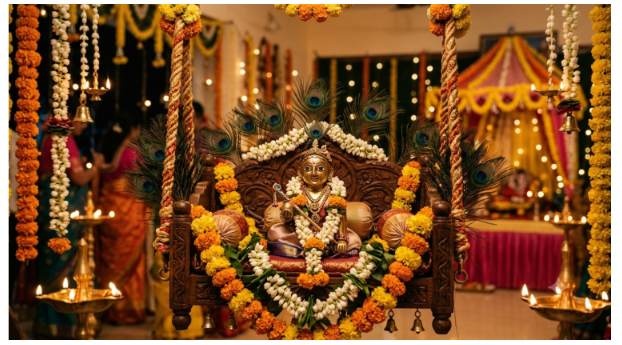
Table of Contents
Krishna Janmashtami 2026 will be observed on Friday, 4 September 2026 in India. The festival marks the appearance of Lord Krishna and falls on Krishna Paksha Ashtami in the Hindu month of Bhadrapada. Devotees generally observe a fast during the day and celebrate Krishna Janmotsav with abhishek, aarti, bhajan and prasad around midnight
Krishna Janmashtami 2026 Date at a Glance
EventDate and time Krishna JanmashtamiFriday, 4 September 2026 Ashtami Tithi begins2:25 AM on 4 September 2026 Ashtami Tithi ends12:13 AM on 5 September 2026 Rohini Nakshatra begins12:29 AM on 4 September 2026 Rohini Nakshatra ends11:04 PM on 4 September 2026 Nishita Puja Muhurat12:14 AM to 1:01 AM on 5 September Muhurat durationApproximately 46 minutes Midnight momentApproximately 12:37 AM on 5 September Traditional ParanaAfter 6:24 AM on 5 September Dahi HandiSaturday, 5 September 2026Is Janmashtami on 4 or 5 September 2026?
The main Janmashtami vrat and celebration fall on Friday, 4 September 2026, with the midnight Janmotsav continuing into the early hours of 5 September. This sometimes causes confusion because the principal puja takes place after the civil date changes at midnight. Some communities can also arrive at different observance dates because Smarta and Vaishnava traditions apply their calendrical rules differently. However, ISKCON Delhi's published 2026 event calendar confirms 4 September 2026 for its Vaishnava celebration, with fasting observed until midnight. Devotees should therefore follow the calendar of their own temple or sampradaya rather than assuming that every institution will observe a different date.
Krishna Janmashtami 2026 Puja Muhurat
For the India reference schedule used on NamanDarshan, Nishita Puja may be performed from 12:14 AM to 1:01 AM on 5 September 2026. The approximate midpoint is 12:37 AM. Nishita Kaal is the location-dependent midnight segment used for Janmashtami worship. It is not simply a universal 12:00 AM to 12:45 AM period. Its clock time changes with local sunset, sunrise and geographical location. A typical midnight observance includes bathing the Bal Gopal murti, dressing the deity in clean clothes, offering flowers and tulsi, presenting makhan mishri or panjiri, singing Krishna aarti and gently rocking the decorated jhula. Temple traditions may follow a more elaborate sequence.
City-wise Janmashtami 2026 Celebration Guide
The table below is a celebration-planning guide, not a list of identical muhurats. Exact Nishita and temple timings differ by city and institution. Except where an official schedule is cited, final programmes should be confirmed with the temple closer to the festival.
CityMajor celebration focus2026 planning note MathuraShri Krishna Janmabhoomi, midnight Janmotsav and abhishekExpect very large crowds and security controls. Confirm the official temple schedule and access arrangements before travel. VrindavanBanke Bihari Temple, ISKCON Vrindavan and Radha-Krishna templesBhajan, kirtan, special shringar and darshan schedules vary by temple. Arrive well before evening crowds build. Read more - vrindavan-yatra DelhiISKCON Delhi and major Krishna templesISKCON Delhi confirms Janmashtami on 4 September with fasting until midnight. MumbaiISKCON Juhu, Krishna temples and community celebrationsJanmashtami is followed by Dahi Handi on 5 September. Confirm local event and traffic information. JaipurGovind Dev Ji Temple and Gupt Vrindavan DhamGupt Vrindavan Dham lists a Jaipur Nishita window of 11:57 PM to 12:43 AM, illustrating why local timings differ. AhmedabadKrishna temples, Vaishnava havelis and community pujaConfirm whether the chosen temple follows its own Vaishnava calendar and darshan sequence. BengaluruISKCON Bengaluru and neighbourhood templesExpect kirtan, abhishek and midnight worship. Use the temple's official programme for entry and puja timing. Kirtan, scripture discourse and midnight worship are prominent. Follow the institution's published calender. iskcon-temple HyderabadISKCON and major Krishna templesVerify local Nishita Kaal and any pass or queue arrangements before visiting. ChennaiKrishna temples and Gokulashtami household traditionsKolam, children's Krishna footprints and traditional offerings are common, while temple schedules vary. KolkataISKCON and Gaudiya Vaishnava institutionsKirtan, scripture discourse and midnight worship are prominent. Follow the institution's published calender iskcon-templeWhy is Krishna Janmashtami Celebrated?
Krishna Janmashtami commemorates the appearance of Lord Krishna, traditionally regarded as the eighth avatar of Lord Vishnu. Sacred narratives describe his birth in Mathura to Devaki and Vasudeva during the rule of King Kansa. Vasudeva then carried the infant Krishna across the Yamuna to Gokul, where he was raised by Yashoda and Nanda. The festival celebrates more than Krishna's birth story. It recalls his teachings on dharma, devotion and selfless action, particularly those associated with the Bhagavad Gita. For devotees, Janmashtami is a time to remember divine protection, renew spiritual discipline and celebrate Krishna's loving relationship with his devotees.
How to Observe Janmashtami at Home (Vrat, Puja Vidhi & Offerings)
Devotees generally begin the vrat after bathing in the morning and taking a sankalp according to their capacity. The day may be spent in mantra japa, reading the Bhagavad Gita or Srimad Bhagavatam, singing bhajans and preparing for the midnight puja. Fasting varies — from nirjala to fruit/milk-based vrat food — with grains, salt, onion, garlic, meat, alcohol and tobacco generally avoided. Those who are pregnant, elderly, unwell or on medication should observe safely and consult a doctor. Many end the fast after midnight prasad; stricter observance follows Parana after sunrise on 5 September — per NamanDarshan's schedule, after 6:24 AM.
Janmashtami Puja Vidhi at Home
Clean and set up the worship area with a Bal Gopal murti or Krishna image, adding flowers, rangoli and a jhula if available keep it simple and peaceful, not elaborate. Light a diya, make a sankalp, and if suitable, bathe the murti with water or panchamrit, then dress it and apply sandalwood paste. Offer flowers, tulsi, fruit and simple sattvic items like makhan mishri or panjiri — use what's available rather than a mandatory list. At Nishita Kaal, recite Krishna mantras, sing an aarti like Aarti Kunj Bihari Ki, celebrate the Janmotsav, and conclude with prayer and prasad distribution. Know more.
What to Offer Lord Krishna
Common offerings include makhan mishri, panjiri, fruit, milk preparations, panchamrit, sweets and tulsi leaves — regional traditions may add vrat-friendly dishes or an elaborate bhog. The offering should be clean and sattvic; sincerity matters more than quantity or cost. Know more
Temple Visit Guide for Mathura and Vrindavan
Pilgrims visiting Mathura or Vrindavan should plan accommodation and transport well in advance. Janmashtami attracts exceptionally large crowds, and ordinary travel times may not apply. Carry minimal belongings and follow local security restrictions. A puja muhurat and a public darshan schedule are not the same thing. A temple may close temporarily for shringar, bhog or internal rituals even during an auspicious period. Check the temple's official notice before leaving and allow substantial. Book Yatra
Namandarshan
Dedicated to sharing authentic spiritual knowledge, temple heritage, and Vedic traditions across India.