
Ganesh Chaturthi 2026: Dates and Regional Celebrations Across India
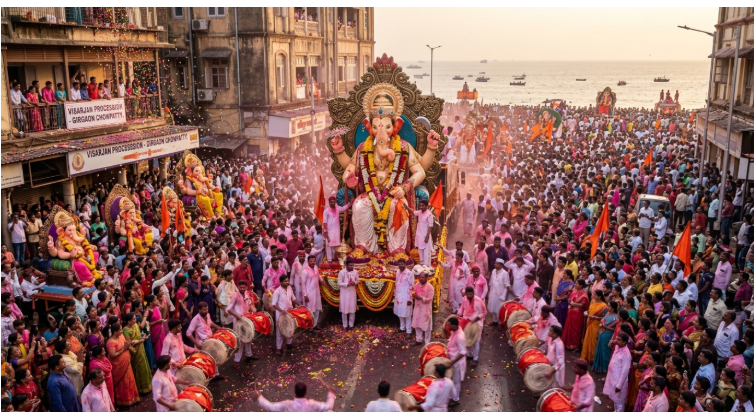
Table of Contents
Devotees should therefore use a panchang calculated for their location or consult a knowledgeable pandit before fixing the Sankalpa and puja timeThis guide explains what unites Ganesh Chaturthi celebrations across India, what changes from one region to another, and how families can plan a respectful, practical, and environmentally responsible observance in 2026.
What Is Ganesh Chaturthi?
Timing note: One New Delhi-based calculation gives a Madhyahna puja period of approximately 12:03 PM to 2:31 PM on September 14. This should not be treated as a universal India-wide muhurat; local timings will differ.What Is Ganesh Chaturthi?
Ganesh Chaturthi celebrates Lord Ganesha, revered in Hindu traditions as the remover of obstacles, the lord of beginnings, and a deity associated with wisdom and discernment. Devotees frequently worship him before beginning a ceremony, educational pursuit, business venture, journey, or other important undertaking. The annual festival falls on Shukla Paksha Chaturthi in the Hindu month of Bhadrapada. Depending on the regional calendar, language, and tradition, it may be called:
Ganesh Chaturthi Vinayaka Chaturthi Vinayaka Chavithi Pillayar Chaturthi Ganeshotsav Chavath or ChovothThe festival commonly involves bringing a murti of Ganesha into the home or a community pandal, invoking the deity through prescribed rituals, offering prayers and food, and concluding the observance with Uttar Puja and Visarjan. Some households worship for a single day, while others follow longer family traditions. Public celebrations may continue until Anant Chaturdashi. These variations are valid expressions of local and household practice; there is no need for every family to follow an identical duration.
Religious and Spiritual Significance
Lord Ganesha is invoked at the beginning of sacred and worldly undertakings. Ganesh Chaturthi therefore carries themes that remain consistent despite regional differences:
Removing inner and outer obstacles Cultivating wisdom before action Beginning work with humility and prayer Bringing families and communities together Recognizing that every ceremonial welcome eventually ends in farewell Returning natural materials to nature through VisarjanDifferent texts and oral traditions contain different accounts of Ganesha's origin. The familiar narrative associates him with Goddess Parvati and Lord Shiva, but details vary among Puranic retellings and regional traditions. These accounts are best understood as sacred narratives rather than as modern historical records. Devotees should also avoid claims that a ritual guarantees wealth, marriage, business success, or the cure of an illness. Hindu worship is undertaken with faith and Sankalpa, but its spiritual value should not be presented as a guaranteed material result.
Shared Ganesh Chaturthi Rituals
Regional expression changes, but several ritual elements are widely recognizable.
1. Preparing the Puja AreaThe worship space is cleaned and decorated before the murti is installed. Families may use flowers, banana leaves, rangoli, lamps, fabric, or local seasonal plants. A stable platform should be chosen for the murti. If immersion will take place at home, it is sensible to select a small natural-clay idol that can dissolve safely in an appropriate container.
2. SankalpaThe devotee states the intention of the puja, traditionally mentioning the place, date, family details, and purpose of worship. The exact wording can differ according to lineage, region, and the pandit's procedure.
3. Avahana and SthapanaAvahana means respectfully invoking the deity, while Sthapana refers to establishing the murti for worship. Formal procedures may involve Vedic or Puranic mantras, Nyasa, Kalasha worship, or Prana Pratishtha-related rites, depending on the scale and tradition. Households should not worry if their inherited practice is simpler. A family puja conducted sincerely according to its custom need not imitate an elaborate temple ceremony.
4. OfferingsCommon offerings include:
Durva grass Red or other suitable flowers Modak or laddoo Coconut Seasonal fruit Incense and lamps Betel leaves and nuts where customary Region-specific cooked naivedyaIngredients and numbers can vary by Sampradaya and household tradition. When there is uncertainty, follow the family's established custom or consult the officiating pandit.
5. Aarti and PrayerAarti may be performed once or several times daily during the period of worship. Maharashtra is especially known for collective aartis, devotional singing, and the chant "Ganpati Bappa Morya."
6. Uttar Puja and VisarjanBefore immersion, devotees perform a concluding rite and respectfully request the deity to return again. The murti is then carried for Visarjan according to family custom and local regulations.
Ganesh Chaturthi in Maharashtra
Maharashtra is most closely associated with the large public form of Ganeshotsav. Mumbai, Pune, and numerous towns host community installations, cultural programmes, aartis, charitable activities, and Visarjan processions.
Sarvajanik GaneshotsavHousehold worship existed before the modern public festival. In the late nineteenth century, Bal Gangadhar Tilak helped popularize organized public Ganesh celebrations, using them to encourage community participation during colonial rule. The public form developed into a major cultural institution, although it did not replace domestic worship.
Today's mandals may organize: Large thematic pandals Daily morning and evening aartis Bhajans and cultural programmes Food or prasad distribution Health camps and charitable initiatives Community competitions Public Visarjan processions Pune's Traditional MandalsPune's Ganeshotsav is associated with historically respected manache Ganpati mandals and a more traditional cultural character. Devotional music, dhol-tasha groups, community aartis, and carefully ordered Visarjan processions are prominent features.
Mumbai's Large-Scale CelebrationsMumbai is known for major mandals visited by vast numbers of devotees. Darshan queues can be long, transport diversions are common, and security procedures may change from year to year. Travellers should rely on official mandal, police, municipal, and transport announcements rather than unofficial social posts.
Food and Home TraditionsSteamed ukadiche modak are a well-known Maharashtrian offering. Some homes invite relatives for aarti and meals, while others maintain a quieter family puja. Murti worship may conclude after one-and-a-half, three, five, seven, or more days according to family tradition.
Ganesh Chaturthi in Goa: Chavath or Chovoth
Ganesh Chaturthi is one of Goa's major family festivals and is commonly called Chavath or Chovoth. Family members often return to their ancestral homes, making the celebration as much about reunion and lineage as public display. India's official Utsav portal identifies it as one of Goa's biggest festivals and notes the importance of families gathering for the occasion.
The Matoli TraditionA distinctive Goan feature is the matoli, a decorative canopy or framework placed above the Ganesh murti. It may display seasonal fruits, vegetables, leaves, flowers, forest produce, and agricultural items. The arrangement reflects Goa's relationship with the monsoon landscape, farming, and biodiversity. The precise materials differ between households, villages, and availability; not every family creates an identical display.
Family WorshipCompared with the public emphasis found in many Maharashtrian cities, Chavath often centres strongly on:
The ancestral house Extended family gatherings Family deities and inherited customs Traditional meals and sweets Bhajans, aarti, and storytelling A locally determined Visarjan dayGoa also has community events and public installations, but the household remains central to the identity of Chavath.
Karnataka: Gowri-Ganesha Habba
In Karnataka, Ganesh Chaturthi is closely connected with Gowri Habba, which honours Goddess Gowri or Gauri, regarded as Ganesha's mother. Government information from Bengaluru Urban describes Gowri-Ganesha Habba as a significant Karnataka festival and notes that Gowri worship is particularly observed by married women. Gowri worship generally precedes the Ganesha observance, although the exact household sequence and rites can vary.
Typical Karnataka Practices : Gowri worship before Ganesh Chaturthi Installation of Ganesha at home Offerings of kadubu or modaka Turmeric, flowers, betel leaves, and traditional puja materials Exchange of auspicious items among women in some communities Family meals and visits Community installations in cities such as Bengaluru and MysuruGanesh Chaturthi in Karnataka is neither exclusively domestic nor exclusively public. Urban areas host public pandals, while family worship retains strong local characteristics.
Telangana: Vinayaka Chavithi and Community Celebrations
In Telangana, the festival is widely called Vinayaka Chavithi. Hyderabad hosts prominent public celebrations, with large community idols, devotional programmes, neighbourhood committees, and major immersion arrangements. The Khairatabad Ganesh is widely recognized for its scale, while Hyderabad's final immersion activity has traditionally involved Hussain Sagar and other designated arrangements. Public procedures can change because of court decisions, pollution-control rules, and municipal directions, so devotees must verify the regulations issued for 2026.
Household Worship
At home, families may: Install a clay Ganesha Perform Vinayaka Vratham or family puja Offer local preparations such as undrallu or kudumulu Recite or listen to the traditional vrata narrative Conduct Visarjan after a locally customary durationA growing number of Hyderabad households make or buy natural-clay idols
Andhra Pradesh: Vinayaka Chavithi
Andhra Pradesh also commonly uses the name Vinayaka Chavithi. Household vrata observance, clay idols, community pandals, and regional naivedya preparations are important features.
The festival may include: Cleaning and decorating the worship area. Installing a clay Vinayaka murti. Performing Sankalpa and puja. Offering durva, leaves, flowers, fruit, undrallu, or kudumulu according to custom. Listening to a Vinayaka vrata narrative where followed. Performing aarti and distributing prasadam. Completing Visarjan according to family practice and local rules.The specific leaves, food, mantras, and sequence should not be treated as uniform across every Telugu-speaking household. Traditions vary by district, community, family, and officiating priest.
Tamil Nadu: Pillayar or Vinayagar Chaturthi
In Tamil Nadu, Ganesha is commonly addressed as Pillayar or Vinayagar, and the festival may be called Pillayar Chaturthi or Vinayagar Chaturthi. Homes and temples conduct special pujas, while public installations and processions are present in many towns and cities.
Common Tamil Traditions: Worship of clay Pillayar murtis Temple visits Offering kozhukattai, a steamed rice-flour preparation Garlands and durva or locally used sacred grasses Coconut, fruit, lamps, and aarti Immersion according to local civic directionsTamil Nadu Pollution Control Board publishes environmental guidance for idol immersion. Organizers should follow current district administration and police notifications, especially regarding approved routes and immersion locations
Gujarat
Ganesh Chaturthi is celebrated in Gujarati homes, temples, housing societies, and community pandals. Public celebration is especially visible in large urban centres, although its scale and family customs differ from Maharashtra.
Common elements include: Ganesh Sthapana Daily aarti Bhajans and community programmes Sweet offerings Housing-society events Visarjan at designated sitesOrganizers should avoid treating Gujarat as culturally uniform. Customs differ by city, community, and family, while public celebration has also changed over time.
Odisha
Ganesh worship in Odisha is strongly associated with educational institutions, students, and community organizations. Schools, colleges, neighbourhoods, and temples may arrange temporary installations and pujas. Offerings and decoration vary locally, and public observances may be shorter than the ten-day model familiar from parts of Maharashtra. Devotees should follow the practice of their institution, community, or family rather than assuming a single Odisha-wide ritual system.
North and Central India
Ganesh Chaturthi is also observed across Delhi, Madhya Pradesh, Rajasthan, Uttar Pradesh, and other parts of North and Central India.
In these regions, celebrations may take the form of: Temple pujas Household worship Residential-society pandals Maharashtrian community celebrations Cultural programmes Small-scale Visarjan arrangements Online puja participation for families living away from homeSome public celebrations follow the Maharashtrian Ganeshotsav format, but local food, language, music, and temple customs shape the experience. It is more accurate to describe this as adaptation than as a single North Indian tradition.
Regional Comparison
RegionCommon NameDistinctive EmphasisCommon Offering MaharashtraGaneshotsavMajor public mandals, aartis and processionsUkadiche modak GoaChavath or Chovothncestral-home reunions and matoli decorationLocal sweets and seasonal produce KarnatakaGowri-Ganesha HabbaGowri worship connected with Ganesh ChaturthiKadubu or modaka TelanganaVinayaka ChavithiLarge urban pandals and community immersionUndrallu or kudumulu Andhra PradeshVinayaka ChavithiHousehold vrata and community pujaUndrallu or kudumulu Tamil NaduPillayar or Vinayagar ChaturthiHome and temple worshipKozhukattai OdishaGanesh PujaStrong participation by schools and collegesLocal sweets and fruit GujaratGanesh ChaturthiHome, temple and urban community worshipModak, laddoo and local sweetsThese are broad patterns, not compulsory rules. Families within the same state may follow different Sampradayas or inherited practices.
Why Do Celebration Dates and Timings Appear Different?
The main festival date is based on Bhadrapada Shukla Chaturthi. Yet online sources may show different timings because:
Panchangs use location-based sunrise and sunset data. A tithi may begin or end during a civil calendar day. Different traditions apply their own rules for choosing the observance day. Madhyahna is calculated locally. Time zones affect devotees living outside India. Websites may publish a national summary rather than a city-specific calculation.For 2026, the principal Indian observance is listed for Monday, September 14. Devotees outside India, or those requiring an exact Sankalpa and puja muhurat, should select their city in a reputable panchang.
How Long Should Ganesha Be Kept at Home?
There is no single duration followed by every family. Common observance periods include: Same-day Visarjan One-and-a-half days Three days Five days Seven days Until Anant ChaturdashiThe right duration is usually the one established by the family, spiritual guide, community, or practical capacity of the household. It is better to perform a manageable observance carefully than to select a longer duration without the time or arrangements for daily worship.
Simple Home Puja Procedure
The following is a general outline, not a replacement for the family's inherited Vidhi. Clean the space : Prepare a stable platform and arrange puja materials. Place the murti : Install a natural-clay Ganesha respectfully at the chosen time. Light a lamp : Begin with purification and prayers according to your tradition. Take Sankalpa : State the intention of the worship. Perform Avahana : Invite Lord Ganesha into the worship. Offer the upacharas : Offer water, clothing or symbolic cloth, sandal paste, flowers, durva, incense, lamp, and naivedya as prescribed. Chant and pray : Recite known Ganesha mantras, stotras, or names. Perform aarti : Offer the lamp with devotion. Distribute prasad : Share the offering after the puja. Complete Uttar Puja : Perform the concluding rite before Visarjan.A formal puja may include additional Nyasa, Kalasha Puja, Vedic mantras, Shodashopachara, and other elements. A qualified pandit can adapt the ceremony to the family's language, tradition, and available time.
Eco-Friendly Ganesh Chaturthi and Visarjan
Environmental responsibility does not diminish devotion. In fact, natural materials align more closely with the principle of returning the murti respectfully to nature. The Central Pollution Control Board's revised guidance encourages environmentally responsible immersion and restricts materials such as plastic and thermocol in decorations. Guidelines
Practical Steps
Choose a small, unpainted natural-clay murti. Avoid plastic, thermocol, glitter, and non-biodegradable decorations. Use natural flowers, cloth, paper, leaves, and reusable materials. Remove garlands, fabric, plastic, and ornaments before immersion. Use an authorized artificial pond or designated immersion site. For a small clay murti, consider home immersion if permitted and practical. Follow municipal and pollution-control notifications for 2026. Compost suitable flowers and leaves instead of discarding them into water. Do not assume last year's route or immersion location will be used again.Rules may differ by state and municipality. Always check the latest directions before the festival.
Choosing Between Home Puja, Temple Darshan, and Online Puja
OptionSuitable ForMain Consideration Home puja with a panditFamilies wanting personalized ritualsSpace, materials and scheduling Self-guided home pujaFamilies following an established simple customUse a reliable Vidhi Temple DarshanDevotees preferring established temple worshipCrowds, timings and access rules Community pandalGroup celebration and public aartiQueue and security arrangements Online pujaDevotees abroad, elderly devotees or separated familiesConfirm what the service includesNo format should be presented as automatically superior. The choice depends on family tradition, mobility, location, budget, and the kind of participation desired. Implementation example: Families planning a formal ceremony can book Ganesh Chaturthi Puja or arrange a verified pandit for Ganesh Puja through Naman Darshan.
Book Ganesh Chaturthi Puja with Naman Darshan : Book
Namandarshan
Dedicated to sharing authentic spiritual knowledge, temple heritage, and Vedic traditions across India.