
Mathura vs Vrindavan: Where Should You Celebrate Janmashtami in 2026?
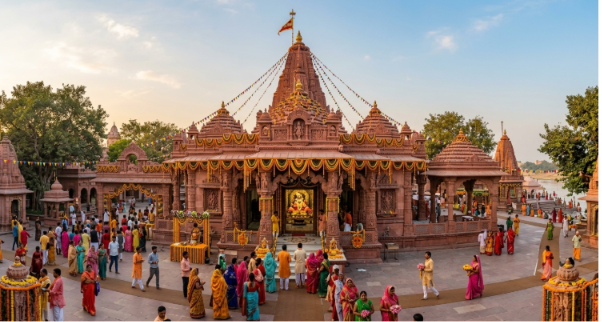
Table of Contents
As Bhadrapada approaches, millions of Krishna devotees ponder whether to celebrate Janmashtami at his birthplace in Mathura or among the playful groves of Vrindavan. Though just 12 kilometers apart along the Yamuna River, each destination offers a distinct experience: Mathura: Focuses on the grand, solemn majesty of Lord Krishna's midnight birth (Janmotsav) at Shri Krishna Janmabhoomi. Vrindavan: Expresses Madhurya Bhava—celebrating the joyful sweetness of his childhood with flower-adorned temples, overnight kirtans, and the rare annual midnight Mangala Aarti at Shri Bankey Bihari Temple. In 2026, Janmashtami falls on September 4 (Smarta) and September 5 (Vaishnava & Nandotsav). Your choice depends on your desired spiritual mood, crowd tolerance, and preferred rituals. This comprehensive guide breaks down the core ritual differences, temple schedules, crowd dynamics, and practical travel logistics for Mathura and Vrindavan so you can plan a seamless pilgrimage with Naman Darshan.
Quick Comparison Overview: Mathura vs. Vrindavan
AspectMathura JanmashtamiVrindavan Janmashtami Primary Spiritual FocusAishwarya Bhava (Regal majesty, birth of the Supreme Lord in prison)Madhurya Bhava (Intimate love, childhood leelas, and devotion) Central Focal PointShri Krishna Janmabhoomi Temple ComplexShri Bankey Bihari, Radha Raman, & ISKCON Temples Key Midnight RitualGrand Maha Abhishek of Laddoo Gopal at midnight (Nishita Kaal)Midnight Abhishek at ISKCON / Rare midnight Mangala Aarti at Bankey Bihari Day-After CelebrationQuiet temple prayers, town-wide prasad distributionMassive Nandotsav with Dahi Handi, curd throwing, and yellow cloth offerings Crowd DensityExtremely concentrated around Janmabhoomi and DwarkadhishDispersed across hundreds of narrow lanes and multiple temple hubs Security & ScreeningSecurity & ScreeningHigh security (Metal detectors, bag bans, strict police checkpoints)Moderate security in narrow lanes; heavy police control at Bankey Bihari Best Suited ForDevotees seeking historical birth-site Darshan & formal midnight ritualsDevotees seeking continuous kirtan, street festivities, and leela reenactmentsJanmashtami in Mathura: The Majesty of the Birthplace
PhaseLocationSignificance Midnight IncarnationMathura JanmabhoomiLord Krishna takes birth in Kamsa's prison cell. Yamuna CrossingYamuna RiverVasudeva safely carries baby Krishna to Gokul. Childhood LeelasVrindavan & GokulKrishna grows up performing divine, playful acts.Key Temples to Visit in Mathura
Shri Krishna Janmasthan Temple Complex: Encloses the sacred Garbha Griha (birth cell), Keshavdev Temple, and Bhagvat Bhavan. At midnight, priests perform a grand Maha Abhishek using panchamrit (milk, curd, honey, ghee, fruit juice) and sacred Yamuna water, before placing Bal Gopal on a silver swing (Jhula) amid festive Sankhnaad (conch shell blasts) and ringing bells. Dwarkadhish Temple: A historic Pushtimarg Vaishnava shrine near Vishram Ghat, famous for its elaborate Jhulan (swing) setups and live classical Haveli Sangeet during multiple daily Aartis. setups and live classical Haveli Sangeet during multiple daily Aartis. Vishram Ghat: The sacred Yamuna riverbank where Lord Krishna rested after defeating the tyrant Kamsa. On Janmashtami evening, thousands of floating clay lamps (diyas) turn the river into a shimmering mirror of light.
What Makes Mathura Unique for Janmashtami?
Historical Authenticity: Standing at the exact geographic point where Krishna manifested on Earth. Grand Processions: A week-long cultural festival organized by the Uttar Pradesh Braj Teerth Vikas Parishad featuring folk dancers, Rasleela troupes, and devotional tableaus. Formal Ritual Discipline: Mathura follows strict Vedic timing and scriptural procedures during the Nishita Kaal Puja. Janmashtami in Vrindavan: The Sacred Dance of Pure Devotion While Mathura bows to the majestic, regal glory of the Divine King, Vrindavan surrenders to pure, intoxicating love. Here, in the mystical groves along the Yamuna, Krishna is not revered as an almighty monarch—He is cherished as Chitta Chora (the Butter Thief who steals hearts), the barefoot cowherd prince who fills the forests of Nidhivan and Bankey Bihari with the melody of His flute. To experience Janmashtami in Vrindavan is to step into a living tapestry of devotional ecstasy, where every alleyway echoes with ancient kirtans and every temple tells a story of intimate love.
The Divine Atmosphere of Vrindavan
TempleRitualUnique Feature Bankey BihariMidnight Mangala AartiHeld only once a year (2:00 AM) Radha RamanDaytime Maha AbhishekDaytime Maha Abhishek480-year-old daylight ritual (9 AM–12 PM) ISKCON VrindavanAkhanda KirtanNon-stop 24-hour global chanting & midnight bathKey Temples to Visit in Vrindavan
Shri Bankey Bihari Temple: Famous for the rare annual Mangala Aarti—performed only once a year at around 2:00 AM on Janmashtami following midnight Abhishek. Afterwards, the deity offers Maha Raja Darshan seated on a grand golden throne (Svarn Hindola). Shri Radha Raman Temple: Preserves a 480-year-old lineage established by Srila Gopala Bhatta Goswami. Performs its grand Maha Abhishek during the daytime (9:00 AM–12:00 PM) using over 100 kg of milk, curd, herbs, and perfumes, lit entirely by natural sunlight and brass lamps without artificial lighting. ISKCON Vrindavan (Krishna Balaram Mandir): An international hub hosting a non-stop, 24-hour Hare Krishna Mahamantra kirtan led by global devotees. Features intricate decorations made of tons of exotic imported flowers and massive distribution of Panchamrit prasad. Prem Mandir: A stunning white Italian marble complex featuring elaborate relief carvings of Krishna's leelas. On Janmashtami evening, it comes alive with massive LED illuminations, musical fountain shows, and specialized light and sound displays depicting the Lord's birth.
The Day After: Experiencing Nandotsav
Celebrated the morning after Janmashtami, Nandotsav marks Nanda Baba's joyous celebration of baby Krishna's arrival in Gokul and Vrindavan. The entire town transforms into a lively playground as ancient traditions bring the spirit of divine bliss to the streets. Dahi-Haldi Splashing: Temple priests and devotees joyfully sprinkle turmeric-infused curd over the crowds, symbolizing health, auspiciousness, and spiritual prosperity. Prasad & Gift Showers: Priests shower toys, brass utensils, and fresh sweets from temple balconies directly into the eager hands of the audience below. Dahi Handi: Energetic teams assemble human pyramids across street intersections to reach and break curd pots suspended high in the air.
Essential Travel & Survival Tips for Janmashtami 2026
Book Accommodations Months in Advance: Hotels, ashrams, and guest houses in both Mathura and Vrindavan fill up completely by June or July. Secure your stay early. Pack Light & Mind the Security Rules: Mobile phones, camera equipment, smartwatches, leather wallets, and bags are prohibited inside Shri Krishna Janmabhoomi. Use designated cloakrooms or leave valuables in your hotel room. Beware of Monkeys in Vrindavan: Vrindavan’s monkey population is active around Bankey Bihari and Nidhivan. Avoid wearing eyeglasses, sunglasses, hanging purses, or carrying loose food items in open view. Hydrate & Dress Appropriately: Early September in Uttar Pradesh can remain warm and humid. Wear breathable cotton clothing and carry bottled drinking water. Utilize E-Rickshaws: Vehicle movement for private cars and taxis is restricted inside inner temple zones in both towns during Janmashtami week. Local electric rickshaws are the most efficient mode of transport. 👉 Book Your Personalized Janmashtami Puja or Darshan Package with Naman Darshan Today - Book Now
Namandarshan
Dedicated to sharing authentic spiritual knowledge, temple heritage, and Vedic traditions across India.