
Kanwar Yatra 2026 Traffic Advisory: What Commuters and Pilgrims Need to Know
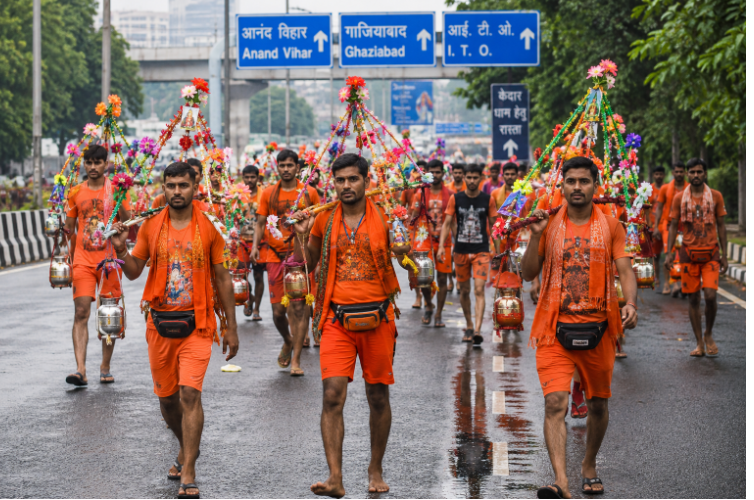
Table of Contents
If you've travelled through Delhi, Ghaziabad, Meerut, or the Haridwar corridor over the last few days, you've probably already noticed the increase in pilgrim movement. Kanwar Yatra 2026 began on 30 July, the first day of Shravan, and continues until 11 August (Sawan Shivratri). In preparation for the pilgrimage, authorities across Delhi, Uttar Pradesh, and Uttarakhand have implemented traffic restrictions that will remain in force in several areas until 12 August. Whether you're a daily commuter, planning a family trip to Haridwar, or travelling for work, understanding the latest traffic arrangements can help you avoid unnecessary delays.
What is Kanwar Yatra?
Kanwar Yatra is one of India's largest annual pilgrimages. Every Shravan, millions of devotees of Lord Shiva collect holy Ganga water from places such as Haridwar, Gangotri and Gaumukh before carrying it back to offer Jalabhishek at Shiva temples in their hometowns. Because of the large number of pilgrims travelling on foot, traffic diversions and temporary road restrictions are introduced every year to ensure public safety and smooth movement.
Kanwar Yatra 2026 at a Glance
Detail Information Yatra Dates 30 July – 11 August 2026 Traffic Restrictions Up to 12 August (district-wise) Main Route Delhi → Ghaziabad → Meerut → Muzaffarnagar → Roorkee → Haridwar Peak Pilgrim Movement 8–11 August Major Highway NH-34 (formerly NH-58)
Note: Traffic arrangements may vary between districts and can change depending on crowd movement. Always check the latest advisories issued by the local traffic police before starting your journey.
When Does the 2026 Yatra Run?
Kanwar Yatra 2026 began on 30 July and concludes on 11 August, when devotees perform Jalabhishek on Sawan Shivratri. However, traffic restrictions in several districts remain in place until 12 August to facilitate the safe movement of pilgrims and the dismantling of temporary camps.
Delhi and NCR: The Roads to Watch
Delhi Traffic Police has issued a zone-wise traffic advisory covering the Eastern, Northern and Southern ranges. The key restrictions include: Heavy Transport Vehicles (except city buses) are restricted or diverted between 30 July and 12 August on stretches including GT Road (Apsara Border to Yamuna Bridge), Wazirabad Road (Bhopura Border to Signature Bridge), Vikas Marg, Road No. 66, Pusta Road and Loni Road. GT Road between Apsara Border and Yamuna Bridge will remain closed to general traffic from 7:00 AM on 9 August until 8:00 PM on 12 August to accommodate peak Kanwar movement. Heavy pilgrim movement is also expected on NH-24, Kalindi Kunj Road, Mathura Road, Ring Road, Ridge Road, Rani Jhansi Road and around the ISBT Kashmere Gate corridor, where diversions may be implemented as required. Kanwariyas and Kanwar vehicles are not permitted on the Delhi-Dehradun Expressway, while the expressway continues to be used as an alternate corridor for diverted commercial traffic. Rail passengers travelling to New Delhi Railway Station have been advised to use the Paharganj side instead of the Ajmeri Gate entrance during peak movement. Ghaziabad authorities have also introduced phased traffic restrictions from 29 July to 12 August, with heavy commercial vehicles being diverted through the Eastern Peripheral Expressway, NH-9 and other designated routes. If your daily commute includes any of these roads, consider allowing extra travel time and checking the latest traffic updates before leaving.
Kanwar Yatra 2026 Route: Delhi to Haridwar via NH-34
The primary Kanwar Yatra route in North India follows Delhi → Ghaziabad → Meerut → Muzaffarnagar → Roorkee → Haridwar along NH-34 (formerly NH-58). This corridor carries one of the highest volumes of Kanwariyas travelling on foot and experiences the most significant traffic restrictions during the Yatra. Travellers should be aware of the following: Heavy vehicle restrictions are in place on parts of the Delhi-Haridwar highway from 30 July, with additional restrictions introduced during the peak pilgrimage period. Certain stretches of the highway are reserved for Kanwariyas during the busiest days to ensure their safety. The UP section of the Delhi-Meerut Expressway is scheduled to remain closed to regular traffic between 7 August and 12 August, with dedicated arrangements made for pilgrims. Around Haridwar, roads leading to major pilgrimage areas, including Har Ki Pauri, are expected to witness heavy congestion and temporary traffic diversions during the final days of the Yatra. Authorities may introduce additional diversions based on crowd movement and local conditions. Drivers are advised to follow on-ground signage and instructions issued by the local traffic police rather than relying solely on GPS navigation. A few practical tips if you're travelling during this period: Drive cautiously near pilgrimage routes, as Kanwariyas may be walking along or crossing the roadway. Be prepared for slower traffic near temporary camps, major intersections and entry points to Haridwar. Keep extra travel time in your itinerary, particularly if travelling between 8 and 11 August, when pilgrim movement is expected to be at its highest.
Why This Matters Beyond Traffic
Kanwar Yatra is one of India's largest annual religious gatherings, attracting lakhs of devotees every year. Managing such a large pilgrimage requires coordinated efforts by traffic police, district administrations, and emergency services to ensure the safety of both pilgrims and the general public. If you are unable to travel to Haridwar this year, you can still participate in the spiritual observances through services such as online Rudrabhishek or Shiv Puja offered by Naman Darshan, with prasad delivered to your home.
Quick Tips for Commuters
Check the latest advisory issued by your local traffic police before travelling. Avoid GT Road and other notified Kanwar routes during peak dates, if possible. Use the Paharganj entrance if travelling to New Delhi Railway Station. Allow extra travel time when travelling towards Haridwar, Meerut or Ghaziabad during the Yatra. Follow traffic personnel and temporary diversion signs, as arrangements may change depending on pilgrim movement.
Sources
This article is based on publicly available traffic advisories and official updates issued by: Delhi Traffic Police Uttar Pradesh Police Uttarakhand Police District administrations of Ghaziabad, Meerut, Muzaffarnagar and Haridwar
Author
Dedicated to sharing authentic spiritual knowledge, temple heritage, and Vedic traditions across India.