
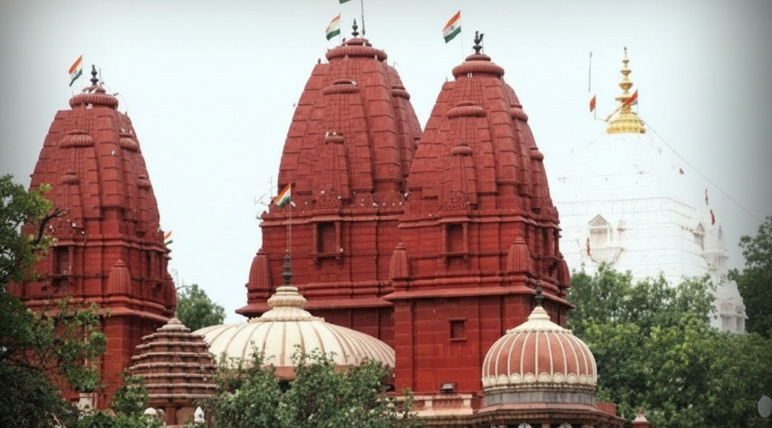
Online Puja at Shri Digambar Jain Lal Mandir, Delhi
Select Puja Package
Book your puja in easy steps
Individual Seva
Sankalp with 1 Name & Gotra
- Live WhatsApp Video Proof
- Personalized Sankalp
- Prasad Home Delivery
Family Seva
Sankalp for up to 4 Members
- All benefits of Individual
- Complete Family Protection
ABOUT ONLINE PUJA
The puja is performed with devotion, purity, and adherence to Jain traditions. Devotees offer prayers for spiritual upliftment, removal of negative karmas, inner peace, wisdom, and progress on the path of non-violence and self-realization.
According to Jain philosophy, worship performed with pure intentions helps cultivate virtues such as compassion, forgiveness, truthfulness, and detachment. Many devotees book this temple puja to seek blessings for family harmony, successful endeavors, educational growth, and overall well-being.
Through Namandarshan, devotees from anywhere in the world can participate in this sacred temple ritual and receive the blessings of the revered Tirthankaras without physically visiting the temple.
Duration: 45–60 Minutes
Performed At: Shri Digambar Jain Lal Mandir, Chandni Chowk, Delhi
Available Services:
Online Puja
Temple Visit Puja
Family Sankalp Puja
Special Occasion Puja
Benefits of this Online Puja
Helps reduce the effects of negative karmic influences.
Encourages spiritual discipline and self-awareness.
Supports progress on the path of liberation and self-realization.
For Mental Peace and Emotional Stability
Brings calmness and clarity of mind.
Reduces stress, anxiety, and emotional disturbances.
Enhances positive thinking and spiritual confidence.
For Family Harmony and Well-Being
Invokes blessings for unity and understanding among family members.
Promotes peaceful relationships and mutual respect.
Encourages a spiritually positive home environment.
For Success and Positive Energy
Removes obstacles created by past karmic burdens.
Helps attract positive opportunities and favorable outcomes.
Strengthens focus, wisdom, and decision-making abilities.
For Religious Merit (Punya)
Creates auspicious spiritual merit through temple worship.
Strengthens devotion toward Lord Mahavira and Jain teachings.
Supports a life guided by truth, non-violence, and compassion.
Puja Samagri Included
Authentic Jain Puja Samagri, Sacred Offerings, Navkar Mantra Items, Dhoop, Deep, Chandan, and Akshat.
Who Should Do This Online Puja?
Those wishing to deepen their spiritual practice and cultivate inner purity can benefit from this temple puja.
Families Seeking Peace and Prosperity
Families experiencing misunderstandings, conflicts, or stress often perform this puja to seek divine harmony and blessings.
Students and Professionals
Devotees seeking wisdom, concentration, and success in studies or career growth may perform this sacred worship.
During Important Life Events
Ideal before marriage, new business ventures, housewarming ceremonies, educational milestones, and other significant occasions.
Devotees Seeking Karma Cleansing
Individuals looking to overcome karmic obstacles and strengthen their spiritual journey regularly participate in temple pujas.
Spiritual Significance of Online Puja
Shri Digambar Jain Lal Mandir is among the oldest Jain temples in Delhi and holds immense historical and spiritual importance. Built during the Mughal era, the temple has remained a major center of Jain worship and devotion for centuries.
The temple is dedicated primarily to Lord Mahavira, the 24th Tirthankara, whose teachings of non-violence, truth, compassion, and self-discipline continue to inspire millions of devotees worldwide.
Located in the heart of Chandni Chowk opposite the Red Fort, the temple attracts pilgrims seeking spiritual guidance, peace, and blessings. The sacred atmosphere, ancient traditions, and continuous worship make this temple highly auspicious for performing Jain pujas and religious ceremonies.
Devotees believe that prayers offered at Shri Digambar Jain Lal Mandir help purify the soul, remove karmic burdens, and strengthen one's commitment to Jain principles and righteous living.
Best Days & Muhurat Dates
Most Auspicious Days
Mahavir Jayanti
Paryushan Parva
Das Lakshan Parva
Kartik Purnima
Akshaya Tritiya
Monthly Ashtami and Chaturdashi
Recommended Timings
Early Morning Temple Hours
Sunrise Muhurat
Festival Special Muhurats
Personal Sankalp Dates
Devotees may also book the puja on birthdays, anniversaries, business launches, or special family occasions.
Online Puja – How the Process Works
Share your name, gotra (if applicable), family details, and prayer intentions.
Step 2: Temple Puja Scheduling
The temple team assigns an appropriate puja slot based on temple rituals and availability.
Step 3: Sacred Puja Performance
The puja is performed before the revered Jain deities at Shri Digambar Jain Lal Mandir.
Step 4: Personalized Sankalp
Your name and prayer intentions are included during the ritual worship.
Step 5: Video & Photo Sharing
Video proof and photographs of the puja are shared with devotees whenever available.
Step 6: Prasad Dispatch
Blessed prasad is delivered according to the selected service package.
Significance of Shri Digambar Jain Lal Mandir, Delhi
Shri Digambar Jain Lal Mandir is among the oldest Jain temples in Delhi and holds immense historical and spiritual importance. Built during the Mughal era, the temple has remained a major center of Jain worship and devotion for centuries.
The temple is dedicated primarily to Lord Mahavira, the 24th Tirthankara, whose teachings of non-violence, truth, compassion, and self-discipline continue to inspire millions of devotees worldwide.
Located in the heart of Chandni Chowk opposite the Red Fort, the temple attracts pilgrims seeking spiritual guidance, peace, and blessings. The sacred atmosphere, ancient traditions, and continuous worship make this temple highly auspicious for performing Jain pujas and religious ceremonies.
Devotees believe that prayers offered at Shri Digambar Jain Lal Mandir help purify the soul, remove karmic burdens, and strengthen one's commitment to Jain principles and righteous living.
Spiritual Significance of Online Puja
Select Puja Package
Book your puja in easy steps
Individual Seva
Sankalp with 1 Name & Gotra
- Live WhatsApp Video Proof
- Personalized Sankalp
- Prasad Home Delivery
Family Seva
Sankalp for up to 4 Members
- All benefits of Individual
- Complete Family Protection
Devotee Experiences
"The pandits were very knowledgeable. Everything was arranged perfectly, and we received the video proof on time."
- Rahul Sharma
"Highly recommend! The process was so transparent and I felt truly blessed after the sankalp."
- Priya Desai
Common Questions About Online Puja
Ready to perform your puja?
Select your preference and submit Sankalp details to secure your spot.
Related Pujas
🕉 Suggested Temples to Explore
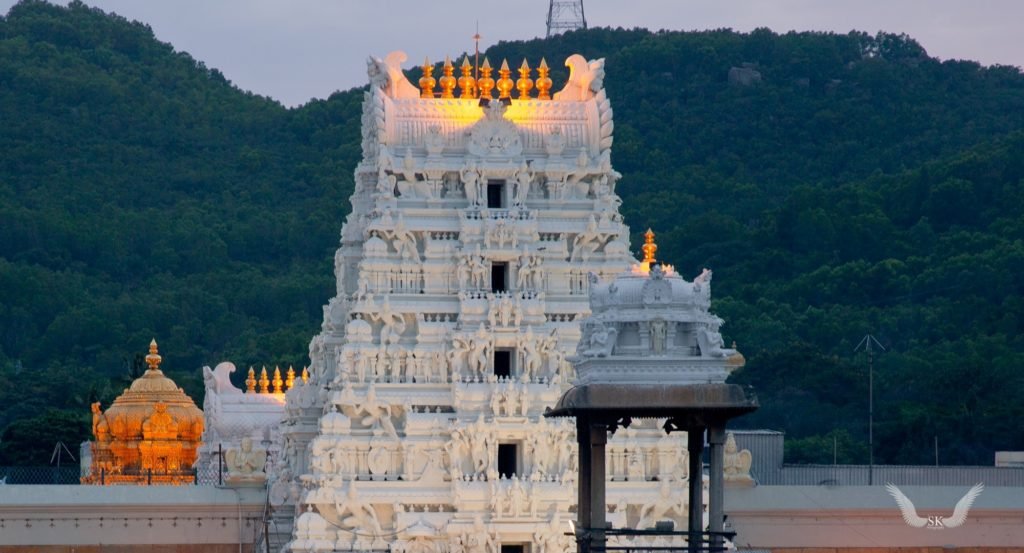
Sri Venkateswara Swami Temple
Sri Venkateswara Swami Temple is the principal shrine of Tirumala, dedicated to Lord Venkateswara, a form of Lord Vishnu. The temple stands on the Seshachalam Hills and is the centre of the Venkateswara tradition followed by millions of pilgrims. The shrine is known for its Vaishnava worship, the Ananda Nilayam Vimanam, the daily Nitis and Sevas, Brahmotsavam, Vaikunta Ekadashi and the long-standing tradition of offering one's hair as a vow. The sacred landscape also includes Bhu Varaha Swamy Temple, Swami Pushkarini and several other places connected with the Tirumala pilgrimage.
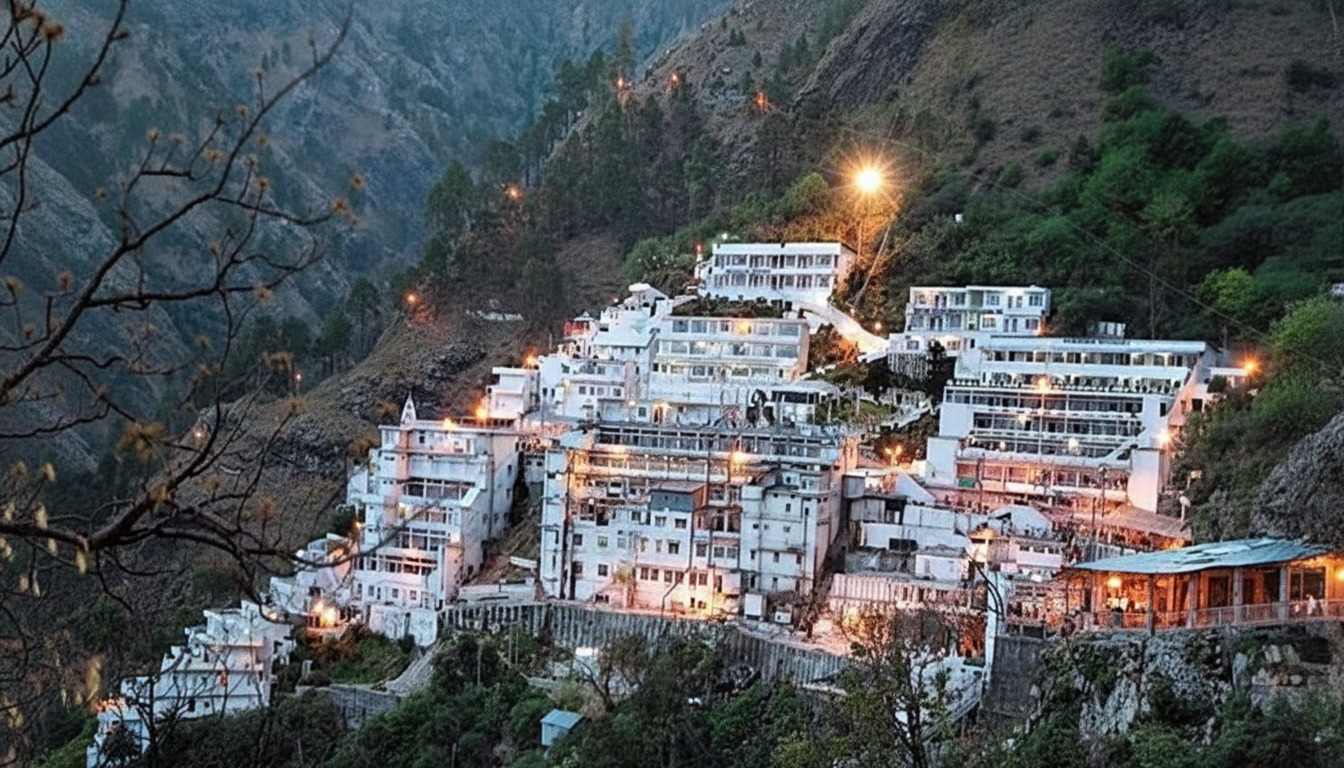
Vaishno Devi Temple
Vaishno Devi Temple, formally the Shri Mata Vaishno Devi Shrine, is a cave shrine in the Trikuta Hills near Katra. The pilgrimage ends at Bhawan, where devotees enter the Holy Cave for darshan of the three natural Pindies worshipped as Maha Kali, Maha Lakshmi and Maha Saraswati. The route to the cave passes through places associated with the Vaishno Devi tradition, including Banganga, Charan Paduka and Ardhkuwari, before reaching Bhawan and, traditionally, Bhairon Ghati.
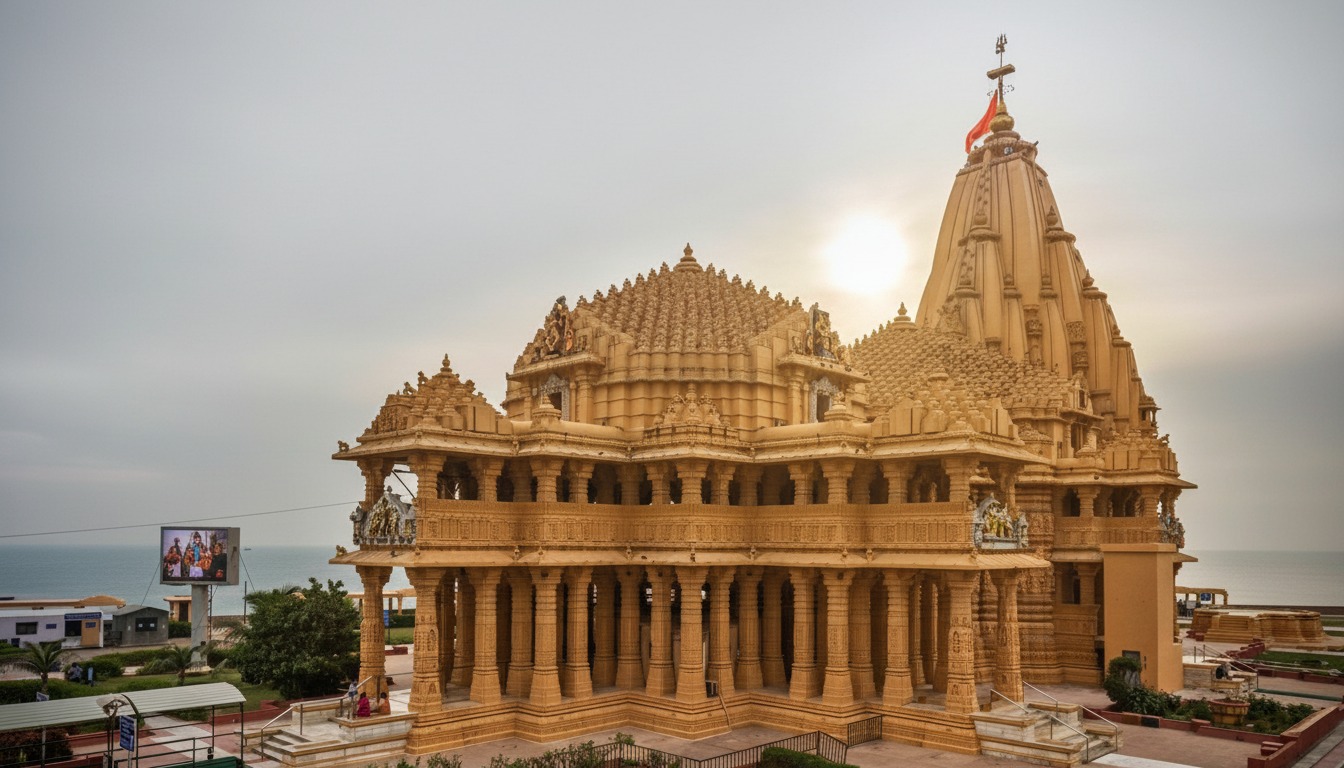
Dwarkadhish Temple
Dwarkadhish Temple, also known as Jagat Mandir, is dedicated to Lord Krishna in his form as Dwarkadhish, the Lord of Dwarka. The temple stands near the Gomti creek on the western coast of Gujarat and is one of the principal pilgrimage centres associated with Krishna. Dwarka holds a distinctive place in Hindu tradition. Here, Krishna is remembered not as the child of Gokul or the youthful Krishna of Vrindavan, but as the ruler who established his kingdom at Dwarka. The temple's importance therefore comes from the connection between Krishna's sacred story, the historic temple at the heart of the city, and the living traditions that continue to shape pilgrimage in Dwarka.