
Online Parshvanath Abhishek Puja at Lodhurva Jain Temple
Select Puja Package
Book your puja in easy steps
Individual Seva
Sankalp with 1 Name & Gotra
- Live WhatsApp Video Proof
- Personalized Sankalp
- Prasad Home Delivery
Family Seva
Sankalp for up to 4 Members
- All benefits of Individual
- Complete Family Protection
ABOUT ONLINE PARSHVANATH ABHISHEK PUJA
Parshvanath Abhishek Puja is one of the most sacred devotional ceremonies in Jainism, dedicated to Lord Parshvanath, the twenty-third Tirthankara, whose teachings of compassion, truth, forgiveness, and non-violence continue to inspire millions of devotees. The ritual symbolizes the purification of the soul and encourages devotees to cultivate humility, self-discipline, and detachment from worldly attachments while progressing toward spiritual enlightenment.
During the Abhishek ceremony, the idol of Lord Parshvanath is ceremonially bathed with sacred offerings according to traditional Jain customs. Devotees chant the Navkar Mantra, recite Jain prayers, and participate in devotional worship with complete faith and reverence. Every ritual performed during the ceremony reflects the core principles of Jain Dharma, emphasizing Ahimsa (non-violence), self-restraint, forgiveness, and purity of thought.
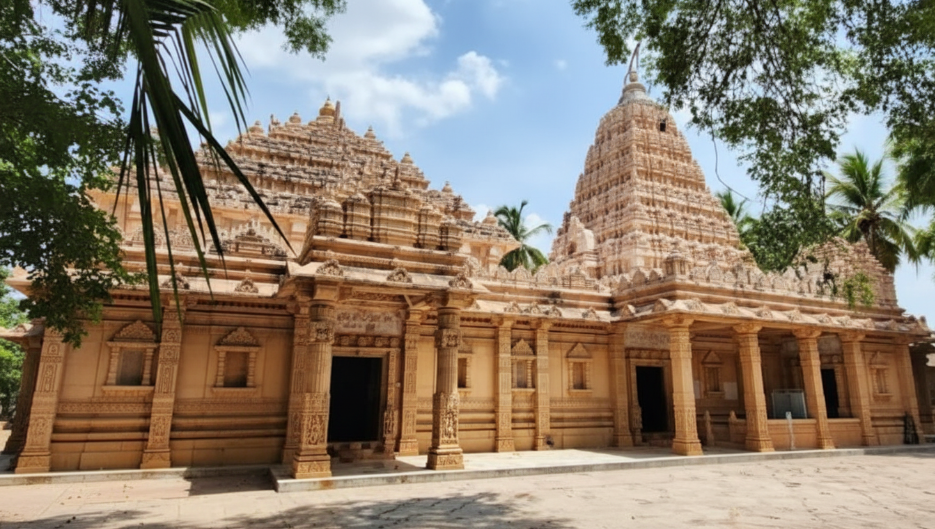
Performing the Abhishek at Lodhurva Jain Temple holds exceptional religious importance. Located in the historic village of Lodhurva near Jaisalmer, this magnificent temple has been a prominent Jain pilgrimage destination for centuries. Dedicated to Lord Parshvanath, the temple is admired for its exquisitely carved sandstone architecture, beautifully sculpted pillars, ornamental Torana, and serene spiritual atmosphere that inspires meditation and devotion.
Devotees believe that offering prayers before the sacred idol of Lord Parshvanath at Lodhurva strengthens faith, removes negative karmic influences, and brings peace, prosperity, and spiritual fulfillment. The temple's tranquil surroundings provide an ideal setting for self-reflection and the practice of Jain values, making every Abhishek Puja a deeply meaningful experience.
The ceremony generally includes the ceremonial Abhishek, Navkar Mantra chanting, devotional hymns, Jain scriptural prayers, traditional offerings, and a personalized Sankalp performed in the devotee's name. Every ritual is conducted by experienced Jain priests in accordance with established temple traditions, ensuring authenticity and preserving the sanctity of this sacred ceremony.
Through Naman Darshan, devotees who are unable to visit Lodhurva in person can participate in these temple rituals remotely. The online booking service allows individuals and families across the globe to remain spiritually connected with one of Rajasthan's most revered Jain temples while receiving the blessings of Lord Parshvanath through authentic worship and personalized Sankalp.
Benefits of this Online Parshvanath Abhishek Puja
Helps purify the mind through sincere devotion and sacred worship.
Encourages freedom from accumulated negative karmic influences.
Inspires a disciplined and spiritually fulfilling way of life.
Divine Blessings of Lord Parshvanath
Strengthens faith in Lord Parshvanath and Jain Dharma.
Invokes divine grace for spiritual progress and inner strength.
Encourages compassion, forgiveness, and righteous living.
Peace of Mind & Emotional Well-being
Promotes inner calm through devotional practices.
Helps reduce stress and cultivate mental balance.
Encourages meditation and positive thinking.
Family Harmony & Prosperity
Invokes blessings for happiness and unity within the family.
Prays for health, prosperity, and overall well-being.
Strengthens mutual understanding and lasting relationships.
Auspicious for New Beginnings
Ideal before starting a new business, career, or personal journey.
Seeks divine blessings for success and positive outcomes.
Encourages confidence while embracing important life milestones.
Progress Toward Spiritual Liberation
Deepens understanding of Jain philosophy and ethical living.
Encourages self-discipline, meditation, and devotion.
Inspires devotees to progress on the path toward self-realization and Moksha.
Why Perform Parshvanath Abhishek Puja at Lodhurva Jain Temple?
Lodhurva Jain Temple, located approximately 15 kilometers from Jaisalmer in Rajasthan, is one of the oldest and most revered Jain pilgrimage destinations in western India. Once the ancient capital of the Bhati rulers, Lodhurva has been associated with spirituality, culture, and Jain heritage for centuries. Today, the temple stands as a remarkable symbol of devotion, attracting pilgrims who seek the blessings of Lord Parshvanath, the twenty-third Jain Tirthankara.
The temple is celebrated for its extraordinary sandstone architecture, intricate carvings, beautifully sculpted pillars, and the iconic ornamental Torana that has become one of its defining features. Every detail of the temple reflects the artistic brilliance of Rajasthan's traditional craftsmanship while preserving the rich architectural legacy of Jainism. The peaceful surroundings and timeless beauty of the temple create an atmosphere that naturally inspires meditation, devotion, and spiritual reflection.
The principal idol of Lord Parshvanath holds immense religious significance for devotees. Worshippers from across India visit Lodhurva to offer prayers before this sacred image, believing that sincere devotion performed here strengthens faith, purifies the mind, and encourages a life guided by compassion, truth, forgiveness, and non-violence. The temple continues to serve as an important center for Jain worship, religious ceremonies, and spiritual learning.
Parshvanath Abhishek Puja performed at Lodhurva is considered a profound expression of devotion. During the ceremony, devotees symbolically surrender their ego and worldly attachments while seeking inner purity and spiritual progress. The ritual reminds worshippers of Lord Parshvanath's teachings, inspiring them to cultivate self-restraint, humility, forgiveness, and ethical conduct in their daily lives.
The serene environment surrounding Lodhurva enhances the spiritual experience of every devotee. Away from the distractions of modern life, pilgrims find a peaceful setting that encourages prayer, contemplation, and a deeper connection with Jain philosophy. Many visitors combine their pilgrimage to Lodhurva with visits to other significant Jain temples across Rajasthan, making it an integral part of their spiritual journey.
For devotees who are unable to travel, Namandarshan offers a convenient way to participate in the sacred rituals through online booking. Every puja is performed by experienced temple priests according to established Jain traditions, with a personalized Sankalp included in the devotee's name. This allows worshippers from India and abroad to remain spiritually connected with one of Rajasthan's most cherished Jain pilgrimage sites.
Whether performed as a prayer for family happiness, spiritual advancement, gratitude, or blessings before a new beginning, the Parshvanath Abhishek Puja at Lodhurva Jain Temple provides a meaningful opportunity to experience the timeless values of Jain Dharma while receiving the divine grace of Lord Parshvanath.
Why Book with Namandarshan?
Authentic Temple Puja Booking
Every Parshvanath Abhishek Puja is coordinated with the temple and performed according to traditional Jain rituals, ensuring authenticity and religious sanctity.
Experienced Jain Priests
The puja is conducted by knowledgeable Jain priests who follow established temple traditions and perform every ritual with devotion and precision.
Personalized Sankalp
Each booking includes a personalized Sankalp in the devotee's name, allowing prayers to be offered for health, peace, prosperity, spiritual progress, or any specific intention.
Convenient Online Puja Booking
Devotees from India and across the world can book the puja online without the need to travel, making it easy to stay connected with the sacred traditions of Lodhurva Jain Temple.
Temple Visit Assistance
For devotees planning a pilgrimage, Namandarshan provides guidance regarding temple visits, puja scheduling, and ritual participation to ensure a smooth spiritual experience.
Photo & Video Updates
Where permitted by temple guidelines, photo or video updates of the puja are shared, allowing devotees to witness the sacred ceremony from anywhere.
Temple Prasad Delivery
Sacred Prasad from Lodhurva Jain Temple is arranged for delivery wherever applicable, enabling devotees to receive the blessings of the temple at home.
Secure Online Payments
Book your puja with confidence through a secure, transparent, and reliable online payment process.
Dedicated Devotee Support
The Namandarshan support team is available to assist devotees with booking assistance, puja information, scheduling, and any ritual-related queries.
Book Your Parshvanath Abhishek Puja Today
Seek the divine blessings of Lord Parshvanath by booking the sacred Parshvanath Abhishek Puja at Lodhurva Jain Temple through Namandarshan. Whether you choose to participate remotely through Online Puja or plan a pilgrimage to this historic Jain Tirth, every ritual is performed with devotion, authenticity, and complete adherence to Jain traditions.
The sacred atmosphere of Lodhurva Jain Temple, combined with centuries-old worship traditions, offers devotees a unique opportunity to strengthen their faith, seek spiritual purification, and pray for family harmony, prosperity, and inner peace. By participating in this holy Abhishek, devotees connect with the timeless teachings of Lord Parshvanath while embracing the principles of compassion, truth, forgiveness, and self-discipline.
Book your Parshvanath Abhishek Puja with Namandarshan today and become part of the living spiritual heritage of Lodhurva Jain Temple.
Puja Samagri Included
Authentic Jain Puja Samagri, Sacred Offerings, Navkar Mantra Items, Dhoop, Deep, Chandan, and Akshat.
Who Should Do This Online Parshvanath Abhishek Puja?
- Individuals facing continuous obstacles in career or business.
- Families seeking harmony, peace, and protection from negative energies.
- Anyone wishing to express gratitude and seek divine blessings for health.
Spiritual Significance of Online Parshvanath Abhishek Puja
Lodhurva Jain Temple, located approximately 15 kilometers from Jaisalmer in Rajasthan, is one of the oldest and most revered Jain pilgrimage destinations in western India. Once the ancient capital of the Bhati rulers, Lodhurva has been associated with spirituality, culture, and Jain heritage for centuries. Today, the temple stands as a remarkable symbol of devotion, attracting pilgrims who seek the blessings of Lord Parshvanath, the twenty-third Jain Tirthankara.
The temple is celebrated for its extraordinary sandstone architecture, intricate carvings, beautifully sculpted pillars, and the iconic ornamental Torana that has become one of its defining features. Every detail of the temple reflects the artistic brilliance of Rajasthan's traditional craftsmanship while preserving the rich architectural legacy of Jainism. The peaceful surroundings and timeless beauty of the temple create an atmosphere that naturally inspires meditation, devotion, and spiritual reflection.
The principal idol of Lord Parshvanath holds immense religious significance for devotees. Worshippers from across India visit Lodhurva to offer prayers before this sacred image, believing that sincere devotion performed here strengthens faith, purifies the mind, and encourages a life guided by compassion, truth, forgiveness, and non-violence. The temple continues to serve as an important center for Jain worship, religious ceremonies, and spiritual learning.
Parshvanath Abhishek Puja performed at Lodhurva is considered a profound expression of devotion. During the ceremony, devotees symbolically surrender their ego and worldly attachments while seeking inner purity and spiritual progress. The ritual reminds worshippers of Lord Parshvanath's teachings, inspiring them to cultivate self-restraint, humility, forgiveness, and ethical conduct in their daily lives.
The serene environment surrounding Lodhurva enhances the spiritual experience of every devotee. Away from the distractions of modern life, pilgrims find a peaceful setting that encourages prayer, contemplation, and a deeper connection with Jain philosophy. Many visitors combine their pilgrimage to Lodhurva with visits to other significant Jain temples across Rajasthan, making it an integral part of their spiritual journey.
For devotees who are unable to travel, Namandarshan offers a convenient way to participate in the sacred rituals through online booking. Every puja is performed by experienced temple priests according to established Jain traditions, with a personalized Sankalp included in the devotee's name. This allows worshippers from India and abroad to remain spiritually connected with one of Rajasthan's most cherished Jain pilgrimage sites.
Whether performed as a prayer for family happiness, spiritual advancement, gratitude, or blessings before a new beginning, the Parshvanath Abhishek Puja at Lodhurva Jain Temple provides a meaningful opportunity to experience the timeless values of Jain Dharma while receiving the divine grace of Lord Parshvanath.
Best Days & Muhurat Dates
Spiritual Significance of Online Parshvanath Abhishek Puja
Near Jaisalmer
Rajasthan, India
Duration
Approximately 60–90 Minutes
(Duration may vary depending on temple rituals and festival schedules.)
Puja Services Available
Online Parshvanath Abhishek Puja
Temple Visit Puja
Personalized Sankalp
Family Abhishek Puja
Group Devotional Puja
Festival Special Puja
Pilgrimage Puja Booking
What is Parshvanath Abhishek Puja?
A Sacred Jain Ritual for Devotion, Spiritual Purification & Divine Grace
Parshvanath Abhishek Puja is one of the most sacred devotional ceremonies in Jainism, dedicated to Lord Parshvanath, the twenty-third Tirthankara, whose teachings of compassion, truth, forgiveness, and non-violence continue to inspire millions of devotees. The ritual symbolizes the purification of the soul and encourages devotees to cultivate humility, self-discipline, and detachment from worldly attachments while progressing toward spiritual enlightenment.
During the Abhishek ceremony, the idol of Lord Parshvanath is ceremonially bathed with sacred offerings according to traditional Jain customs. Devotees chant the Navkar Mantra, recite Jain prayers, and participate in devotional worship with complete faith and reverence. Every ritual performed during the ceremony reflects the core principles of Jain Dharma, emphasizing Ahimsa (non-violence), self-restraint, forgiveness, and purity of thought.
Performing the Abhishek at Lodhurva Jain Temple holds exceptional religious importance. Located in the historic village of Lodhurva near Jaisalmer, this magnificent temple has been a prominent Jain pilgrimage destination for centuries. Dedicated to Lord Parshvanath, the temple is admired for its exquisitely carved sandstone architecture, beautifully sculpted pillars, ornamental Torana, and serene spiritual atmosphere that inspires meditation and devotion.
Devotees believe that offering prayers before the sacred idol of Lord Parshvanath at Lodhurva strengthens faith, removes negative karmic influences, and brings peace, prosperity, and spiritual fulfillment. The temple's tranquil surroundings provide an ideal setting for self-reflection and the practice of Jain values, making every Abhishek Puja a deeply meaningful experience.
The ceremony generally includes the ceremonial Abhishek, Navkar Mantra chanting, devotional hymns, Jain scriptural prayers, traditional offerings, and a personalized Sankalp performed in the devotee's name. Every ritual is conducted by experienced Jain priests in accordance with established temple traditions, ensuring authenticity and preserving the sanctity of this sacred ceremony.
Through Naman Darshan, devotees who are unable to visit Lodhurva in person can participate in these temple rituals remotely. The online booking service allows individuals and families across the globe to remain spiritually connected with one of Rajasthan's most revered Jain temples while receiving the blessings of Lord Parshvanath through authentic worship and personalized Sankalp.
Benefits of Parshvanath Abhishek Puja
Spiritual Purification
Helps purify the mind through sincere devotion and sacred worship.
Encourages freedom from accumulated negative karmic influences.
Inspires a disciplined and spiritually fulfilling way of life.
Divine Blessings of Lord Parshvanath
Strengthens faith in Lord Parshvanath and Jain Dharma.
Invokes divine grace for spiritual progress and inner strength.
Encourages compassion, forgiveness, and righteous living.
Peace of Mind & Emotional Well-being
Promotes inner calm through devotional practices.
Helps reduce stress and cultivate mental balance.
Encourages meditation and positive thinking.
Family Harmony & Prosperity
Invokes blessings for happiness and unity within the family.
Prays for health, prosperity, and overall well-being.
Strengthens mutual understanding and lasting relationships.
Auspicious for New Beginnings
Ideal before starting a new business, career, or personal journey.
Seeks divine blessings for success and positive outcomes.
Encourages confidence while embracing important life milestones.
Progress Toward Spiritual Liberation
Deepens understanding of Jain philosophy and ethical living.
Encourages self-discipline, meditation, and devotion.
Inspires devotees to progress on the path toward self-realization and Moksha.
Why Perform Parshvanath Abhishek Puja at Lodhurva Jain Temple?
Lodhurva Jain Temple, located approximately 15 kilometers from Jaisalmer in Rajasthan, is one of the oldest and most revered Jain pilgrimage destinations in western India. Once the ancient capital of the Bhati rulers, Lodhurva has been associated with spirituality, culture, and Jain heritage for centuries. Today, the temple stands as a remarkable symbol of devotion, attracting pilgrims who seek the blessings of Lord Parshvanath, the twenty-third Jain Tirthankara.
The temple is celebrated for its extraordinary sandstone architecture, intricate carvings, beautifully sculpted pillars, and the iconic ornamental Torana that has become one of its defining features. Every detail of the temple reflects the artistic brilliance of Rajasthan's traditional craftsmanship while preserving the rich architectural legacy of Jainism. The peaceful surroundings and timeless beauty of the temple create an atmosphere that naturally inspires meditation, devotion, and spiritual reflection.
The principal idol of Lord Parshvanath holds immense religious significance for devotees. Worshippers from across India visit Lodhurva to offer prayers before this sacred image, believing that sincere devotion performed here strengthens faith, purifies the mind, and encourages a life guided by compassion, truth, forgiveness, and non-violence. The temple continues to serve as an important center for Jain worship, religious ceremonies, and spiritual learning.
Parshvanath Abhishek Puja performed at Lodhurva is considered a profound expression of devotion. During the ceremony, devotees symbolically surrender their ego and worldly attachments while seeking inner purity and spiritual progress. The ritual reminds worshippers of Lord Parshvanath's teachings, inspiring them to cultivate self-restraint, humility, forgiveness, and ethical conduct in their daily lives.
The serene environment surrounding Lodhurva enhances the spiritual experience of every devotee. Away from the distractions of modern life, pilgrims find a peaceful setting that encourages prayer, contemplation, and a deeper connection with Jain philosophy. Many visitors combine their pilgrimage to Lodhurva with visits to other significant Jain temples across Rajasthan, making it an integral part of their spiritual journey.
For devotees who are unable to travel, Namandarshan offers a convenient way to participate in the sacred rituals through online booking. Every puja is performed by experienced temple priests according to established Jain traditions, with a personalized Sankalp included in the devotee's name. This allows worshippers from India and abroad to remain spiritually connected with one of Rajasthan's most cherished Jain pilgrimage sites.
Whether performed as a prayer for family happiness, spiritual advancement, gratitude, or blessings before a new beginning, the Parshvanath Abhishek Puja at Lodhurva Jain Temple provides a meaningful opportunity to experience the timeless values of Jain Dharma while receiving the divine grace of Lord Parshvanath.
Why Book with Namandarshan?
Authentic Temple Puja Booking
Every Parshvanath Abhishek Puja is coordinated with the temple and performed according to traditional Jain rituals, ensuring authenticity and religious sanctity.
Experienced Jain Priests
The puja is conducted by knowledgeable Jain priests who follow established temple traditions and perform every ritual with devotion and precision.
Personalized Sankalp
Each booking includes a personalized Sankalp in the devotee's name, allowing prayers to be offered for health, peace, prosperity, spiritual progress, or any specific intention.
Convenient Online Puja Booking
Devotees from India and across the world can book the puja online without the need to travel, making it easy to stay connected with the sacred traditions of Lodhurva Jain Temple.
Temple Visit Assistance
For devotees planning a pilgrimage, Namandarshan provides guidance regarding temple visits, puja scheduling, and ritual participation to ensure a smooth spiritual experience.
Photo & Video Updates
Where permitted by temple guidelines, photo or video updates of the puja are shared, allowing devotees to witness the sacred ceremony from anywhere.
Temple Prasad Delivery
Sacred Prasad from Lodhurva Jain Temple is arranged for delivery wherever applicable, enabling devotees to receive the blessings of the temple at home.
Secure Online Payments
Select Puja Package
Book your puja in easy steps
Individual Seva
Sankalp with 1 Name & Gotra
- Live WhatsApp Video Proof
- Personalized Sankalp
- Prasad Home Delivery
Family Seva
Sankalp for up to 4 Members
- All benefits of Individual
- Complete Family Protection
Devotee Experiences
"The pandits were very knowledgeable. Everything was arranged perfectly, and we received the video proof on time."
- Rahul Sharma
"Highly recommend! The process was so transparent and I felt truly blessed after the sankalp."
- Priya Desai
Common Questions About Online Parshvanath Abhishek Puja
Ready to perform your puja?
Select your preference and submit Sankalp details to secure your spot.
Related Pujas
🕉 Suggested Temples to Explore
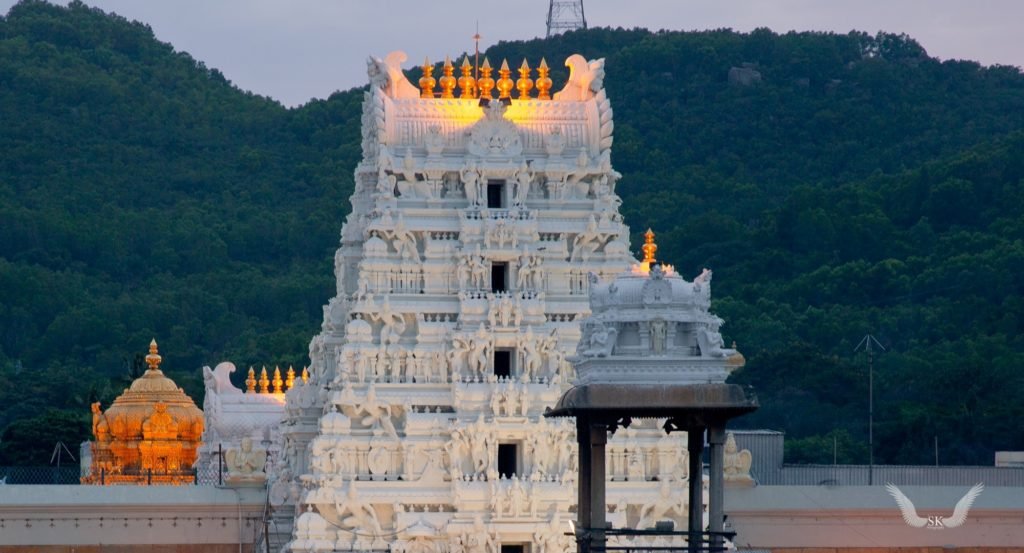
Sri Venkateswara Swami Temple
Sri Venkateswara Swami Temple is the principal shrine of Tirumala, dedicated to Lord Venkateswara, a form of Lord Vishnu. The temple stands on the Seshachalam Hills and is the centre of the Venkateswara tradition followed by millions of pilgrims. The shrine is known for its Vaishnava worship, the Ananda Nilayam Vimanam, the daily Nitis and Sevas, Brahmotsavam, Vaikunta Ekadashi and the long-standing tradition of offering one's hair as a vow. The sacred landscape also includes Bhu Varaha Swamy Temple, Swami Pushkarini and several other places connected with the Tirumala pilgrimage.
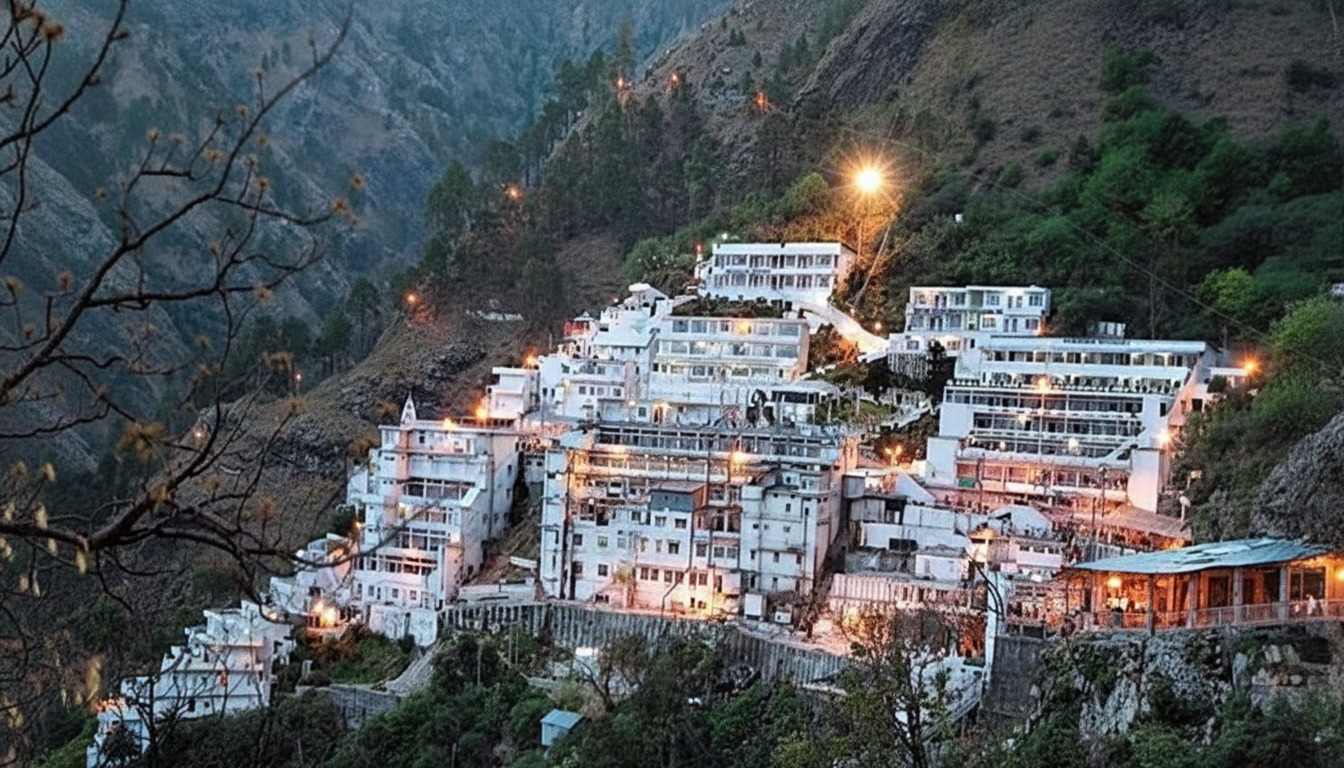
Vaishno Devi Temple
Vaishno Devi Temple, formally the Shri Mata Vaishno Devi Shrine, is a cave shrine in the Trikuta Hills near Katra. The pilgrimage ends at Bhawan, where devotees enter the Holy Cave for darshan of the three natural Pindies worshipped as Maha Kali, Maha Lakshmi and Maha Saraswati. The route to the cave passes through places associated with the Vaishno Devi tradition, including Banganga, Charan Paduka and Ardhkuwari, before reaching Bhawan and, traditionally, Bhairon Ghati.
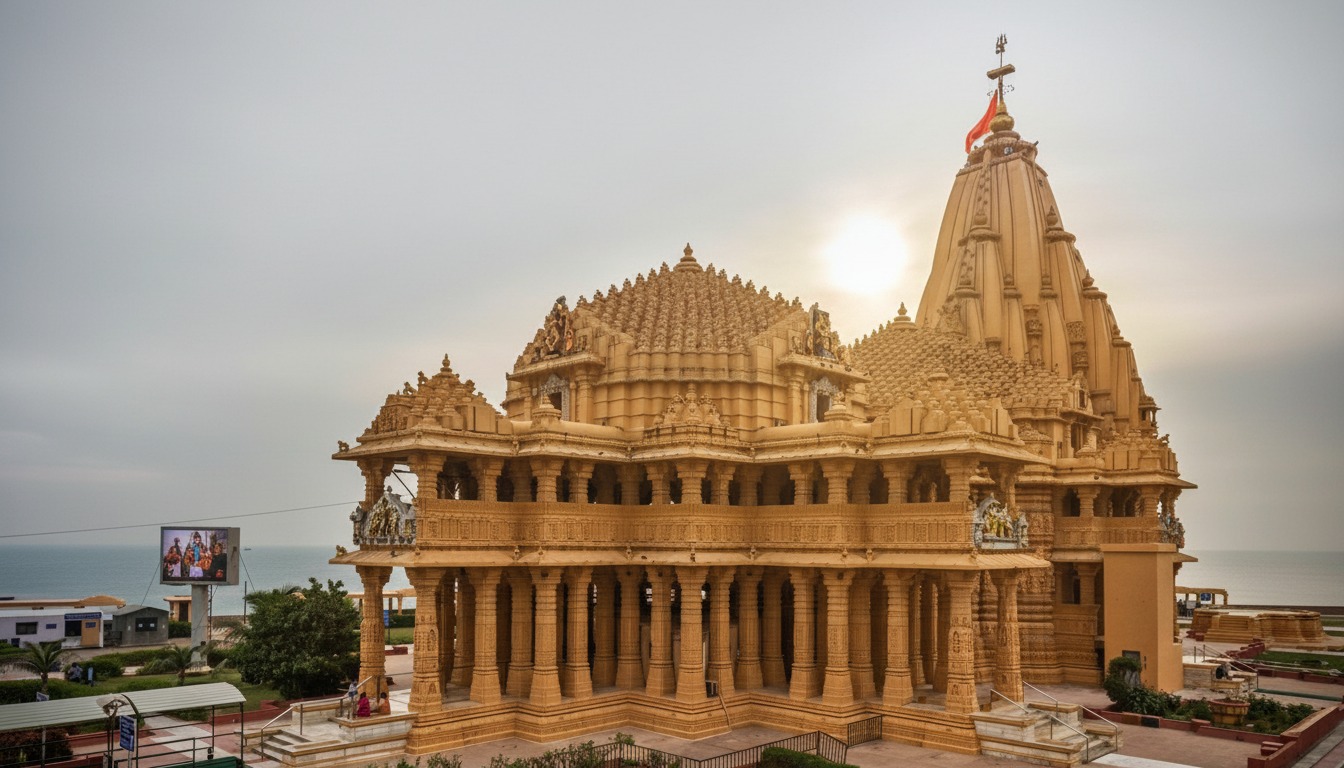
Dwarkadhish Temple
Dwarkadhish Temple, also known as Jagat Mandir, is dedicated to Lord Krishna in his form as Dwarkadhish, the Lord of Dwarka. The temple stands near the Gomti creek on the western coast of Gujarat and is one of the principal pilgrimage centres associated with Krishna. Dwarka holds a distinctive place in Hindu tradition. Here, Krishna is remembered not as the child of Gokul or the youthful Krishna of Vrindavan, but as the ruler who established his kingdom at Dwarka. The temple's importance therefore comes from the connection between Krishna's sacred story, the historic temple at the heart of the city, and the living traditions that continue to shape pilgrimage in Dwarka.