
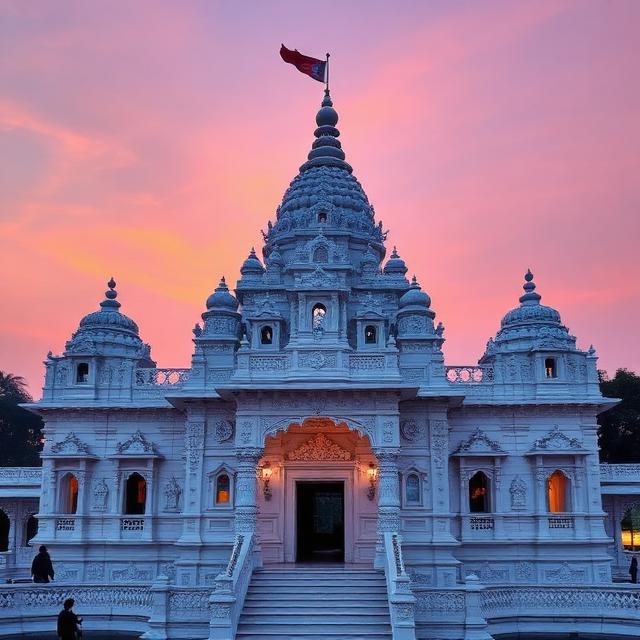
About Trinetra Ganesh Temple, Ranthambore, Rajasthan
Trinetra Ganesh Temple is a historic shrine dedicated to Lord Ganesha in his three-eyed form, located within Ranthambore Fort in Sawai Madhopur, Rajasthan. The temple is known for its distinctive image of Ganesha, his association with Riddhi, Siddhi, Shubh and Labh, and its long-standing connection with the people of the region.
The shrine is also known for the tradition of sending the first wedding invitation to Lord Ganesha at Ranthambore. Its annual Ganesh Chaturthi fair brings the temple and the surrounding fort area into a major period of pilgrimage and public activity.
Story of Trinetra Ganesh Temple
Trinetra Ganesh Temple stands within the historic Ranthambore Fort near Sawai Madhopur. The shrine is traditionally associated with King Hammir Dev Chauhan and the period of the fort's famous conflict with Alauddin Khilji. According to local temple tradition, Hammir was a devotee of Ganesha and received a vision of the deity during the siege. The next morning, an image of three-eyed Ganesha was believed to have appeared on a fort wall, and the king later established the shrine at the site. This account belongs to the religious tradition of the temple rather than independently documented architectural history.
The temple forms part of the older sacred landscape inside Ranthambore Fort. The Ganesha shrine is generally dated to the 12th–13th centuries and is associated with the use of red Karauli stone, like the other Hindu temples within the fort. Its setting is as important as the structure itself: the shrine stands among the fort's massive walls, gateways and other medieval remains, linking the worship of Ganesha with the historic landscape of Ranthambore. The deity is worshipped in the distinctive Trinetra form, with three eyes, and is traditionally shown with Riddhi, Siddhi, Shubh and Labh, giving the sanctum its equally distinctive family form.
What Makes Trinetra Ganesh Temple Sacred for Devotees
The Three-Eyed Form of Ganesha
The name Trinetra means “three-eyed,” referring to the third eye shown on the forehead of the Ganesha image worshipped here. Devotees traditionally interpret this unusual form as a sign of heightened awareness and vision.
Ganesha With His Family
The shrine is associated with Ganesha along with Riddhi and Siddhi and their sons Shubh and Labh. This representation gives the temple a strong connection with family ceremonies, marriages and other auspicious beginnings.
The First Wedding Invitation
One of the best-known traditions of Trinetra Ganesh is the practice of sending the first wedding invitation to the deity. Families post wedding cards and other letters to Lord Ganesha at Ranthambore as an act of respect before an important family occasion.
The practice is rooted in the wider Hindu custom of remembering Ganesha first before beginning an auspicious undertaking. At Ranthambore, that custom has continued in the form of physical letters and invitations arriving at the shrine.
Letters to Lord Ganesha
The temple also receives letters from devotees seeking blessings, offering thanks or marking important events in their lives. The tradition reflects a direct and personal form of devotion in which a written message is placed before the deity.
Some devotees also place small stone representations of houses near the temple as a symbolic expression of their wish to have a home. This is a devotional custom and not a requirement for worship.
The Hammir Dev Legend
The story of Hammir Dev forms an important part of the temple's traditional history. In widely told versions, the king prayed to Ganesha during the siege of Ranthambore and later received divine assurance that his troubles would end.
The account belongs to the religious tradition associated with the shrine. The historical siege of Ranthambore is documented separately from the miraculous events described in the legend.
Annual Festivals & Rituals at Trinetra Ganesh Temple, Ranthambore, Rajasthan
Daily Worship and Aarti Celebrations at the Temple
Worship at the shrine follows a daily cycle that traditionally includes Prabhat Aarti, Sringar Aarti, Bhog, Sandhya Aarti and Shayan Aarti. The exact timing of these rituals can change with the season and on special days.
Ganesh Chaturthi Celebrations at the Temple
Ganesh Chaturthi is the principal festival associated with Trinetra Ganesh Temple. The occasion is marked by special worship and a major gathering of devotees at Ranthambore.
Trinetra Ganesh Mela Celebrations at the Temple
A large annual fair is held around the Bhadrapad Sudi Chaturthi observance. The fair brings pilgrims to the fort in very large numbers and usually requires special arrangements for movement, security, transport and crowd management.
Wednesday Worship Celebrations at the Temple
Wednesday is traditionally associated with Lord Ganesha and is considered an important day for worship at the temple. It can therefore attract more devotees than an ordinary weekday.
Sacred Places to Visit Near Trinetra Ganesh Temple
Ranthambore Fort : The temple stands within Ranthambore Fort, whose gateways, walls, temples, palaces and water structures form part of the historic pilgrimage setting.
Ranthambore National Park : The fort lies within the Ranthambore landscape, now known for its protected forests and wildlife. Forest conditions and wildlife movement can affect access to the temple route.
Padam Talao : Padam Talao is one of Ranthambore's principal lakes and lies within the wider historic fort and national-park landscape.
Jogi Mahal : Jogi Mahal is a well-known historic structure near Padam Talao and forms part of the larger Ranthambore heritage landscape.
Shilpgram, Sawai Madhopur : Shilpgram is a craft and cultural centre near Sawai Madhopur showcasing traditional arts and crafts from Rajasthan and other parts of India.
Sawai Madhopur : The town serves as the main transport and accommodation base for visiting Ranthambore Fort, Trinetra Ganesh Temple and the surrounding attractions.
Plan Trinetra Ganesh Temple Darshan
For current darshan timings, date-specific queue guidance and Naman Darshan's Guided Darshan Assistance, continue to the dedicated Trinetra Ganesh Temple Darshan page.
Common Questions About Visiting Trinetra Ganesh Temple
Visitor Information
Entry Fee
General temple darshan is traditionally free – Any separate monument, transport or access arrangements should be checked for the date of visit.
Address
Trinetra Ganesh Temple, Ranthambore Fort, Sawai Madhopur, Rajasthan, India
Notable Events
10th century — Ranthambore Fort develops under the Chauhans – The fort's early history provides the larger historical setting in which the temple later became established. • Late 13th–early 14th century — Hammir Dev tradition – Temple tradition connects Trinetra Ganesh with Hammir Dev Chauhan and the period of conflict surrounding Ranthambore. • 1301 — Siege of Ranthambore – Hammir Dev's resistance against Alauddin Khilji forms an important part of the documented history surrounding the traditional origin story of the shrine. • 2013 — Ranthambore Fort enters the UNESCO World Heritage List – Ranthambore Fort becomes one of the six components of the Hill Forts of Rajasthan World Heritage property.
How to Reach the Temple
By rail: Sawai Madhopur Junction is the principal railway station for the area. Rajasthan Tourism advises devotees and visitors to reach Sawai Madhopur and continue toward Ranthambore Fort by available local transport.
By road: Ranthambore Fort can be reached from Sawai Madhopur by taxi, jeep, auto-rickshaw or private vehicle, subject to current access arrangements. The temple itself lies within the fort, so the final approach forms part of the fort visit.
By air: Jaipur International Airport is the nearest major airport commonly used for travel to Sawai Madhopur. The onward journey is by road or rail.
Within Ranthambore: Because the temple lies inside a protected forest and heritage area, vehicle movement and the final approach can change according to forest, festival and visitor-management arrangements. Check the current local instructions before starting the journey.
Kavlem, Ponda, Goa