
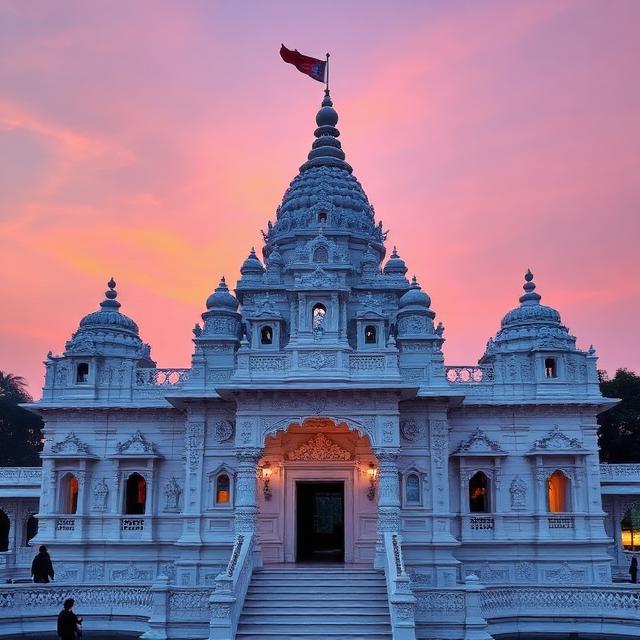
About Sri Trikoteswara Swamy Temple, Kotappakonda, Palnadu District, Andhra Pradesh
Sri Trikoteswara Swamy Temple stands on Brahma Shikharam at Kotappakonda, near Narasaraopet in Andhra Pradesh. Dedicated to Lord Shiva, the temple is associated with a hill whose three peaks are known as Brahma Shikharam, Vishnu Shikharam and Rudra Shikharam.
The shrine is best known for the Maha Shivaratri Tirunallu, when devotees gather at Kotappakonda and decorated Prabhalu arrive in procession from surrounding villages. The hill also holds the Old Kotayya shrine and the Paapanaseswara shrine, making the three peaks an important part of the temple’s religious tradition.
Story of Sri Trikoteswara Swamy Temple
Kotappakonda has a long history as a Shaiva pilgrimage centre. Temple-history accounts refer to inscriptions indicating that the shrine was known before 1172 CE, although this early reference should not be treated as the construction date of the present temple. The temple’s history also records patronage from rulers and local landholders, including grants attributed to Sri Krishnadevaraya and zamindars from the surrounding region.
The presiding deity is Sri Trikoteswara Swamy, a form of Lord Shiva worshipped in the form of a Shiva lingam. Local tradition also identifies the deity with Medha Dakshinamurthy, the form of Shiva associated with imparting spiritual knowledge. This association gives Kotappakonda a place in the regional tradition of Shiva as teacher, as well as a centre of worship.
The name Trikoteswara is connected with Kotappakonda’s three visible peaks. The main shrine stands on Brahma Shikharam; the older Paatha Kotayya shrine is associated with Rudra Shikharam; and Vishnu Shikharam is associated with Paapanaseswara Swamy and Paapanasa Teertha. The hill’s sacred layout is therefore part of the temple’s identity, rather than simply the setting for the main shrine.
The temple complex has developed over time around the hilltop sanctum and its associated shrines and halls. Pilgrims traditionally reached the upper shrine by a stepped route, while a motorable ghat road later provided another way to approach the temple. Together, the shrine, the surrounding peaks and the two routes of ascent form the physical setting in which Kotappakonda’s traditions are practised.
What Makes Sri Trikoteswara Swamy Temple Sacred for Devotees
Paatha Kotayya Temple
Located on Rudra Shikharam, Paatha Kotayya is the older shrine associated with the Anandavalli legend. It is an important stop for understanding the relationship between the three peaks and the main temple.
Paapanaseswara Temple and Paapanasa Teertha
Vishnu Shikharam is associated with Paapanaseswara Swamy and Paapanasa Teertha. Local tradition links the place with Vishnu’s penance to Shiva, making it an important part of Kotappakonda’s sacred geography.
Kondaveedu Fort
Kondaveedu Fort is a historic hilltop fort in the Palnadu region and can be considered as a separate stop when exploring the district. It is not part of the temple complex, so allow time for the additional road journey.
Annual Festivals & Rituals at Sri Trikoteswara Swamy Temple, Kotappakonda, Palnadu District, Andhra Pradesh
Maha Shivaratri and the Kotappakonda Tirunallu
Maha Shivaratri is the main annual festival at Kotappakonda. The Tirunallu brings large numbers of devotees to the hill for worship and special rituals. One of its most distinctive features is the arrival of the Prabhalu carried or brought in procession by communities from surrounding villages.
The Prabha Procession
Prabhalu are tall, decorated frames, often illuminated and adorned with coloured materials. Their preparation and procession are a defining part of the Maha Shivaratri celebrations. The tradition brings together worship, village participation and the shared work of preparing the structures for the journey to Kotappakonda.
Karthika Masam and Monday Worship
Karthika Masam is an important period for Shiva worship, with lamps and special observances associated with the month. Mondays are also traditionally considered auspicious for worship of Lord Shiva. Daily puja, abhishekam and archana form part of the temple’s regular ritual life; specific timings should be checked before visiting.
Sacred Places to Visit Near Sri Trikoteswara Swamy Temple
Maha Shivaratri and the Kotappakonda Tirunallu
Maha Shivaratri is the main annual festival at Kotappakonda. The Tirunallu brings large numbers of devotees to the hill for worship and special rituals. One of its most distinctive features is the arrival of the Prabhalu carried or brought in procession by communities from surrounding villages.
The Prabha Procession
Prabhalu are tall, decorated frames, often illuminated and adorned with coloured materials. Their preparation and procession are a defining part of the Maha Shivaratri celebrations. The tradition brings together worship, village participation and the shared work of preparing the structures for the journey to Kotappakonda.
Karthika Masam and Monday Worship
Karthika Masam is an important period for Shiva worship, with lamps and special observances associated with the month. Mondays are also traditionally considered auspicious for worship of Lord Shiva. Daily puja, abhishekam and archana form part of the temple’s regular ritual life; specific timings should be checked before visiting.
Plan Your Visit to Sri Trikoteswara Swamy Temple
NamanDarshan is a technology platform that arranges darshan and related services on your behalf through independent service providers.
Common Questions About Visiting Sri Trikoteswara Swamy Temple
The temple is located at Kotappakonda in Palnadu district, Andhra Pradesh, near Narasaraopet. The main shrine stands on Brahma Shikharam, one of the three peaks of Kotappakonda.
The presiding deity is Sri Trikoteswara Swamy, a form of Lord Shiva worshipped as a Shiva lingam. Local tradition also associates the deity with Medha Dakshinamurthy, the teacher form of Shiva.
Kotappakonda is also known as Trikuta Parvatham or Trikutadri because three peaks can be seen from the surrounding area. They are known as Brahma Shikharam, Vishnu Shikharam and Rudra Shikharam and are associated with different shrines and traditions
There are steps and a road. Wear comfortable shoes.
NamanDarshan is a technology platform that arranges darshan and related services on your behalf through independent service providers. We are not the temple or its management, and the temple's rules always apply.
Visitor Information
Darshan Timing
Address
Sri Trikoteswara Swamy Temple Kotappakonda, near Narasaraopet Palnadu District, Andhra Pradesh, India
Notable Events
Before 1172 CE — Early inscriptional references
Temple-history material cites inscriptions indicating that the shrine was known before 1172 CE. This is an early historical reference, not a confirmed date for the construction of the present temple buildings.
Later royal and local patronage
Temple-history accounts record land grants attributed to Sri Krishnadevaraya and local zamindars from the surrounding region. The dates and details of individual grants should be verified against the inscriptional record before being expanded into a more detailed chronology.
Traditional stepped route
Local history attributes the older stepped approach to Raja Malraju Narasimha Rayalu. The route forms part of the history of access to the hilltop shrine.
1999 — Ghat road development
Local accounts report that the motorable ghat road was completed or opened in 1999, giving pilgrims an alternative to the traditional stepped route.
How to Reach the Temple
By Air:
Vijayawada International Airport is the nearest major airport commonly listed for Kotappakonda. From the airport, continue by road toward Narasaraopet and Kotappakonda.
By Rail:
Narasaraopet is the nearest railway station commonly used by pilgrims travelling to Kotappakonda. From there, continue by local bus, taxi or other road transport.
By Road:
Kotappakonda is around 15 km from Narasaraopet, depending on the starting point and approach route, and roughly 60–65 km from Guntur. A motorable ghat road leads toward the temple, while the traditional stepped route remains associated with the hill pilgrimage.
By Bus:
APSRTC has listed local services from Narasaraopet and Chilakaluripet serving Kotappakonda. Routes, frequency and special festival services can change, so check the latest schedule before setting out.
During Maha Shivaratri:
Allow additional time for the journey. The Tirunallu draws large crowds and can affect the final approach to the temple, vehicle access and waiting times.