
About Sita Ramachandraswamy Temple, Bhadrachalam, Telangana
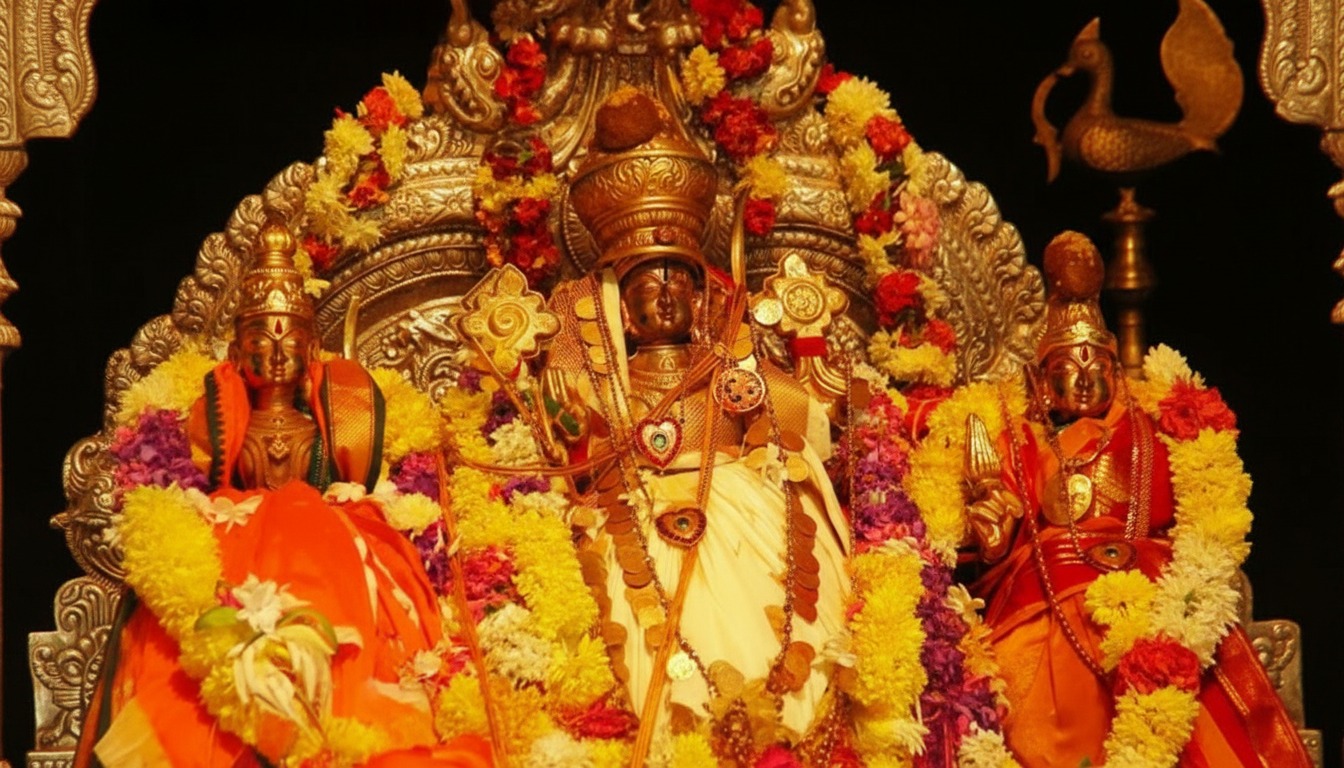
Sita Ramachandraswamy Temple in Bhadrachalam is dedicated to Lord Rama, Goddess Sita and Lakshmana. The temple stands on Bhadragiri beside the Godavari River and is widely known as Bhadrachalam or Dakshina Ayodhya.
The shrine is especially known for its distinctive Vaikuntha Rama form, the traditions associated with Bhakta Ramadasu, its Pancharatra Agama worship and the annual Sita Rama Kalyanam held during Sri Rama Navami. The temple and its surrounding shrines together form the religious centre of Bhadrachalam.
Story of Sita Ramachandraswamy Temple, Bhadrachalam
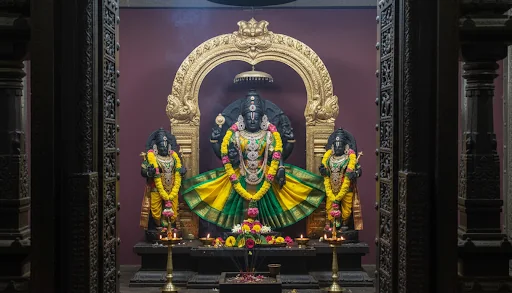
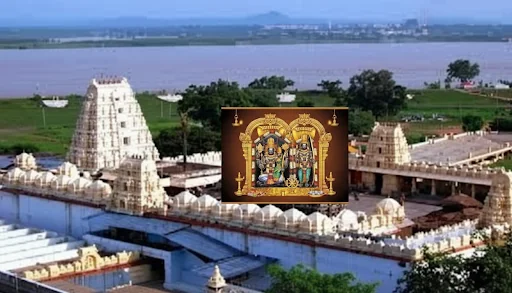
Sita Ramachandraswamy Temple at Bhadrachalam stands on the banks of the Godavari in present-day Bhadradri Kothagudem district, Telangana. The sacred tradition of the place is connected with the Ramayana and with Bhadra, whose name is associated with the hill on which the temple stands. The present temple, however, is especially associated with the 17th-century devotee Kancherla Gopanna, popularly known as Bhakta Ramadasu.
The main shrine is dedicated to Lord Rama, worshipped here with Sita and Lakshmana. The principal image is traditionally regarded as Swayambhu. Rama is shown seated in padmasana, with Sita on his lap and Lakshmana standing beside him; the four arms of Rama hold the conch, discus, bow and arrow. This distinctive form is one of the defining features of worship at Bhadrachalam.
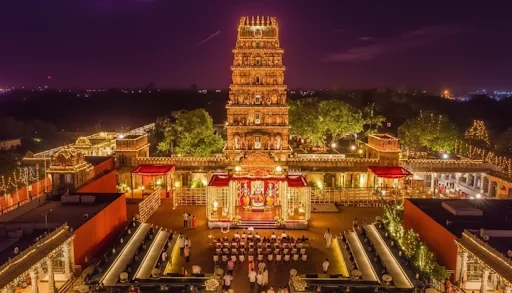
The temple complex has a distinctive arrangement connected by tradition with the form of Bhadra himself. The shrine is described in three parts, representing Bhadra's head, heart and feet, with the main sanctum occupying the central position and the Rajagopuram representing his feet. The complex also includes the Vaikuntha Dwaram, mandapas and several associated shrines.
A prominent feature of the sanctum is the Sudarshana Chakra above the vimana, while a gold-plated panchaloha dwajasthambam stands before the sanctum. The temple complex also includes the Ranganatha shrine on Ranganayakula Gutta and other subsidiary shrines, reflecting the Vaishnava traditions that developed around Bhadrachalam.
What Makes Sita Ramachandraswamy Temple, Bhadrachalam Sacred for Devotees
Bhadra Maharshi and Bhadragiri
According to the traditional account, Bhadra performed intense penance for Lord Rama on the banks of the Godavari. Rama appeared before him and granted his wish to remain on his head. Bhadra became the sacred hill, and Rama's presence established the hill as Bhadragiri.
This story is part of the sthala purana of Bhadrachalam and explains the religious meaning of the hill and the name of the place.
Pokala Dammakka and the Rediscovery of Rama
Another important tradition centres on Pokala Dammakka, a devotee who is said to have discovered the images of Rama, Sita and Lakshmana after receiving a dream indicating their location in the forest. The idols were then worshipped with flowers and Godavari water before the later development of the temple.
The account of Dammakka belongs to the devotional history of Bhadrachalam and forms the bridge between the older sacred traditions of the site and the temple's later history.
Bhakta Ramadasu
Gopanna's story is inseparable from Bhadrachalam. According to the traditional account, he used state revenue for the development of the Rama shrine and was imprisoned when the expenditure came to light. Devotional tradition holds that Rama and Lakshmana later appeared before the Golconda ruler and repaid the amount in gold coins, leading to Gopanna's release.
Whether understood as miracle tradition or devotional history, the story established Ramadasu as one of the most important saint-poets associated with Rama worship in Telugu culture. His Ramadasu Keertanas remain closely connected with the religious life of Bhadrachalam.
Rama and the Dandakaranya Tradition
Bhadrachalam lies within a landscape long associated in local and devotional tradition with the Dandakaranya of the Ramayana. Nearby places such as Parnasala are traditionally identified with Rama, Sita and Lakshmana's forest life during exile.
These associations form part of the sacred geography of the region. They should be understood as Ramayana traditions connected with the landscape rather than as archaeological proof of the events described in the epic.
Vaikuntha Rama and the Srirangam Tradition
The four-armed form of Rama is central to Bhadrachalam's identity. The temple combines Rama worship with the Vaishnava understanding of Rama as Vishnu, while its Pancharatra Agama system reflects the influence of Srirangam.
This connection can also be seen in the presence of Ranganatha and Lakshmi Thayar at Ranganayakula Gutta, making Bhadrachalam a temple complex with a clearly developed Vaishnava ritual tradition.
Annual Festivals & Rituals at Sita Ramachandraswamy Temple, Bhadrachalam, Telangana
Daily Rituals Celebrations at the Temple
The temple follows a regular sequence of worship beginning with Suprabhata Seva and continuing through offerings, archana, Bhog, evening worship and Pavalimpu Seva, the traditional night-rest ritual of the deity. Weekly, fortnightly and monthly observances are also part of the temple calendar.
Nitya Kalyanam Celebrations at the Temple
Nitya Kalyanam, the daily ceremonial wedding of Sita and Rama, is one of the distinctive practices associated with Bhadrachalam. It reflects the temple's emphasis on the divine household of Rama and Sita and is separate from the much larger annual Sita Rama Kalyanam during Brahmotsavam.
Vaikuntha Ekadashi and Teppotsavam Celebrations at the Temple
Vaikuntha Ekadashi is one of the major festivals of Bhadrachalam and follows traditions linked with Srirangam. The celebrations include Teppotsavam, the float festival on the Godavari, followed by the procession of the festival deities through the Vaikuntha Dwaram.
Vasanthotsavam Celebrations at the Temple
Vasanthotsavam marks the beginning of preparations for the annual Brahmotsavam. The festival includes the preparation of Mutyala Talambralu, a special mixture of rice and pearls used in the marriage celebrations of Rama and Sita.
Sri Rama Navami and Sita Rama Kalyanam Celebrations at the Temple
The chief annual celebration is the Vasantha Paksha Prayukta Srirama Navami Brahmotsavam, held during March–April. Its central event is the Sri Sitarama Thirukalyana Mahotsavam, the ceremonial wedding of Rama and Sita. A distinctive Bhadrachalam tradition is the use of a three-disc Mangala Sutra associated with Ramadasu. The festival is also connected with the long-standing presentation of silk garments and pearls to the deities.
Vijayadashami Celebrations at the Temple
Vijayadashami is another major festival at Bhadrachalam. The celebrations include Ramayana readings, special worship, the coronation of Rama and processions associated with the festival.
Sacred Places to Visit Near Sita Ramachandraswamy Temple, Bhadrachalam
Parnasala : Parnasala is traditionally associated with the forest life of Rama, Sita and Lakshmana and with the episode of Sita's abduction in the Ramayana. It is one of the principal pilgrimage stops connected with Bhadrachalam.
Ranganayakula Gutta : Ranganayakula Gutta is associated with Ranganatha, a reclining form of Vishnu, and Lakshmi Thayar. The shrines were connected with Gopanna's effort to establish the Srirangam pattern of Vaishnava worship at Bhadrachalam.
Abhaya Anjaneya Temple : The Abhaya Anjaneya shrine stands near the Godavari and is one of the important Hanuman shrines associated with Bhadrachalam.
Yogananda Narasimha Temple : The Yogananda Narasimha shrine lies along the approach to the main temple and is traditionally regarded as a self-manifested form of Narasimha.
Govindaraja Swamy Temple : Govindaraja Swamy is a form of Vishnu worshipped within the Bhadrachalam temple's wider sacred landscape. The shrine is also connected with the movement of the festival deities during Thiruveedhi Utsavam.
Godavari River : The Godavari is central to Bhadrachalam's religious geography. The river is associated with ritual bathing, festival processions and the annual Teppotsavam.
Plan Sita Ramachandraswamy Temple Darshan
For current darshan planning, entry information, queue guidance and Naman Darshan's date-specific Guided Darshan Assistance, continue to the dedicated Bhadrachalam Darshan page.
Common Questions About Visiting Sita Ramachandraswamy Temple, Bhadrachalam
Visitor Information
Darshan Timing
Address
Sree Seethaaramachandra Swamy Vaari Devasthanam, Bhadrachalam, Bhadradri Kothagudem District, Telangana – 507111, India
Notable Events
17th century — Dammakka tradition and temple development – According to local and temple tradition, Pokala Dammakka rediscovered the images of Rama, Sita and Lakshmana, after which the shrine was developed further. • 17th century — Bhakta Ramadasu and the present temple tradition – Kancherla Gopanna became closely associated with the construction or rebuilding of the shrine and established Bhadrachalam as an important centre of Rama worship. • 17th century — Ramadasu's imprisonment and devotional legacy – Gopanna's imprisonment and the tradition of Rama's repayment became central to the temple's religious history. His Telugu compositions remain part of the cultural memory of Bhadrachalam. • 20th century — Expansion of the temple precinct – The temple developed a wider complex of associated shrines and facilities, including the spaces used for major annual celebrations. • 1974 — Vaikuntha Dwaram – A large northern gateway known as Vaikuntha Dwaram was constructed as part of the temple's arrangements for handling pilgrims and later became especially important in Vaikuntha Ekadashi observances. • 2016 — District reorganisation – After Telangana's district reorganisation, Bhadrachalam temple became part of the newly formed Bhadradri Kothagudem district. • 2026 — Temple development works announced – On 27 March 2026, the Telangana government conducted the bhoomi puja for the first phase of a ₹351 crore development programme covering temple expansion and infrastructure, surrounding-area improvements and Godavari ghat development.
How to Reach the Temple
By air: Hyderabad is the principal major airport connection listed by the Bhadradri Kothagudem district administration. Rajahmundry and Vijayawada are also used as regional air connections for travellers continuing to Bhadrachalam by road.
By rail: The nearest rail connection is Bhadrachalam Road / Kothagudem, from where the temple town can be reached by road.
By road: Bhadrachalam is connected by regular road services with Hyderabad, Khammam, Kothagudem, Vijayawada and other major towns in Telangana and neighbouring Andhra Pradesh.
Within Bhadrachalam: The temple, Godavari riverfront and associated shrines are located within the pilgrimage area. Local road access can become slower during major festivals and large religious gatherings.