
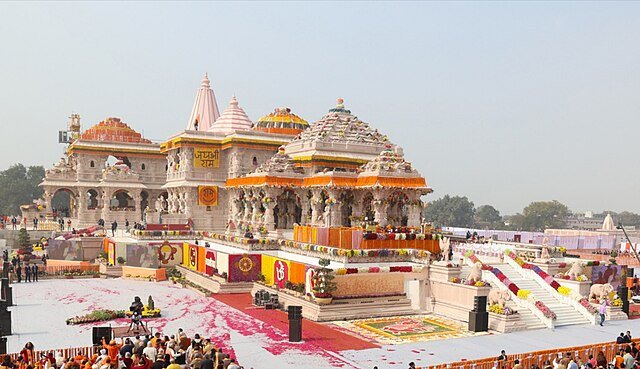
About Ram Janmabhoomi, Ayodhya
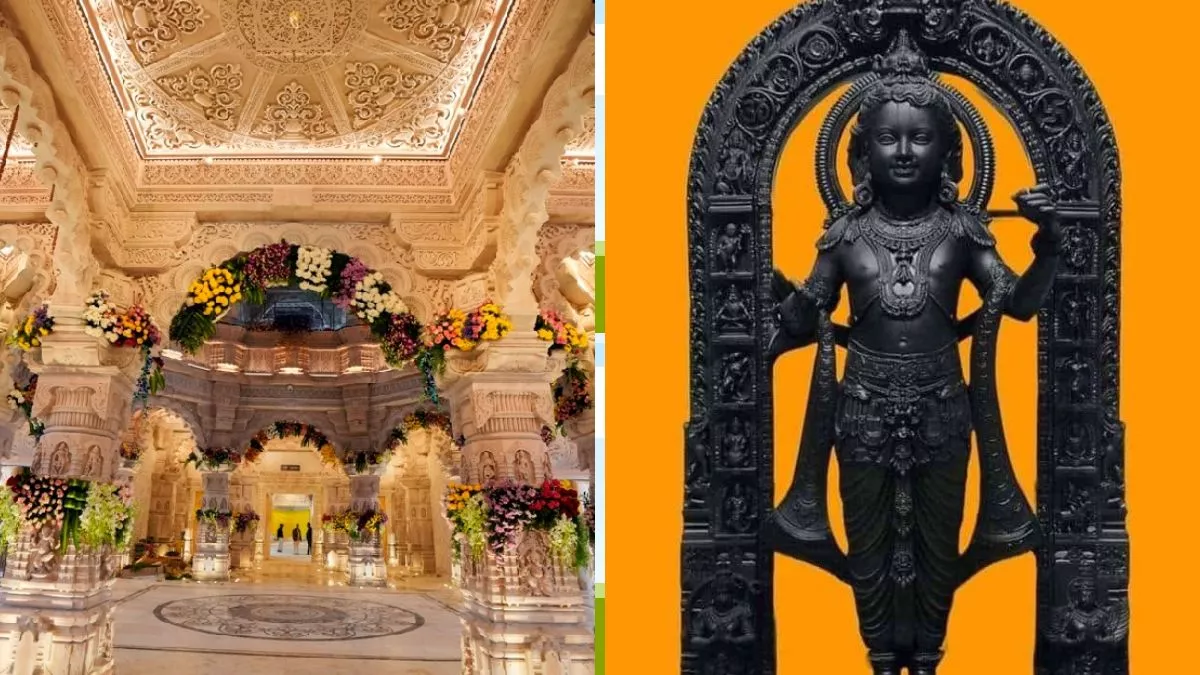
Constructed in the majestic Nagara style architecture, the temple houses Ram Lalla in His divine child form, radiating spiritual peace, strength, and compassion. Millions of devotees now visit Ayodhya daily to experience Ram Lalla Darshan and connect with the eternal values of the Ramayana.
Planning Ram Mandir VIP Darshan? Assisted entry services help reduce waiting time, manage peak-hour crowds, and ensure a peaceful darshan experience at Shri Ram Janmabhoomi.
Story of Ram Janmabhoomi
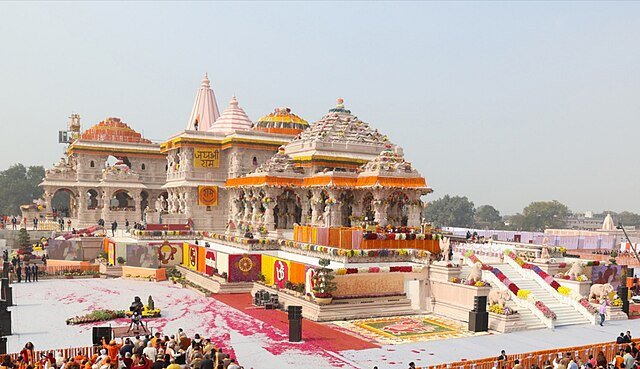
A disputed site, a Supreme Court verdict The ground beneath the temple was contested for generations, at the center of the Ram Janmabhoomi–Babri Masjid dispute. On 9 November 2019, a five-judge bench of the Supreme Court of India ruled that the disputed land be handed to a trust for the construction of a Ram temple, while directing an alternate site be allotted elsewhere for a mosque. The Shri Ram Janmabhoomi Teerth Kshetra Trust was formed in February 2020 to oversee construction. From bhoomi pujan to Pran Pratishtha Prime Minister Narendra Modi performed the bhoomi pujan (foundation-laying ceremony) on 5 August 2020. Over the next three-and-a-half years, the temple rose on a 70-acre complex — built without steel or iron, its stone blocks interlocked with copper joints in a method chosen to let the structure stand for centuries. The ground floor and sanctum were completed in time for the Pran Pratishtha (consecration) on 22 January 2024, even as work on the wider complex continued in phases. A temple built to outlast.
Every material choice was deliberate: pink sandstone from Rajasthan for the walls and pillars, granite from South India for the plinth, and a single sanctified stone for the Ram Lalla idol itself, sculpted by a Mysuru-based artist. Engineers designed the structure to withstand seismic activity and last roughly a thousand years — an ambition as old as the temples of Konark and Somnath that inspired its Nagara-style spire.
What Makes Ram Janmabhoomi Sacred for Devotees
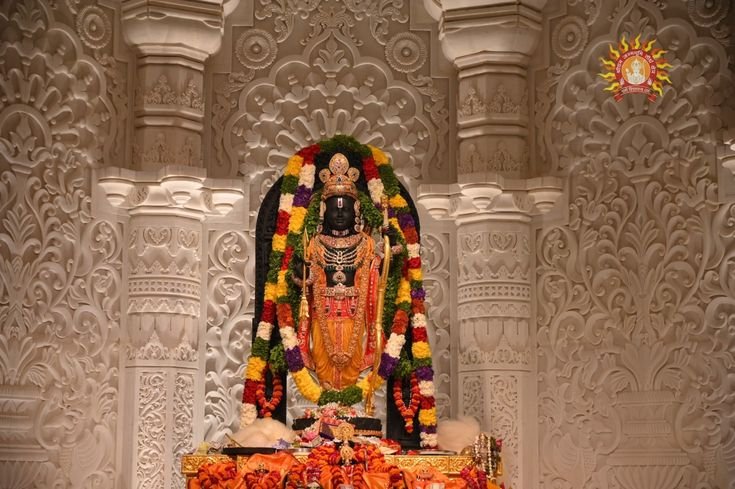
What devotees connect with most:
Ram Lalla's darshan Coming face to face with Ram in his childhood form — a form devotees are encouraged to love and protect the way parents cherish a child, rather than approach with formal distance.
Surya Tilak Sunlight engineered to fall precisely on Ram Lalla's forehead every Ram Navami — a striking fusion of ancient devotion and modern astronomical engineering.
The Sarayu river Considered sacred in its own right; a dip at its ghats is treated as an essential part of a complete Ayodhya pilgrimage, not just a scenic add-on.
A living civilizational moment For many devotees, visiting today means witnessing the culmination of a wait that spanned generations — turning an ordinary darshan into something they see as historic.
Annual Festivals & Rituals at Ram Janmabhoomi, Ayodhya
Ram Navami The birth anniversary of Lord Ram, and the temple's biggest day of the year. The highlight is the Surya Tilak — sunlight directed onto Ram Lalla's forehead via an engineered mirror-and-lens system — which happens at noon, with lakhs of devotees in attendance.
Deepotsav Celebrations at the Temple
Deepotsav Held around Diwali on the Sarayu ghats. Ayodhya lights millions of diyas in a display that has set world records in recent years, drawing visitors well beyond the temple's regular pilgrim crowd.
Pran Pratishtha Celebrations at the Temple
Pran Pratishtha Anniversary Observed on 22 January each year, marking the day Ram Lalla was consecrated in the new sanctum in 2024.
Vivah Panchami Celebrations at the Temple
Vivah Panchami Commemorates the wedding of Ram and Sita, celebrated with particular fervour in both Ayodhya and Janakpur.
Sawan / Kartik Purnima Celebrations at the Temple
Kartik Purnima Melas Periodic religious fairs held through the year that draw large crowds to the Sarayu ghats and surrounding temples.
Daily worship cycle The sanctum follows a set daily ritual cycle — from the pre-dawn Mangala Aarti through Shringar, Bhog offerings, and the evening Sandhya Aarti — with a midday closure in between for rituals. For visitors, what matters most is simply the darshan window Celebrations at the Temple
the temple is generally open to the public from around 7:00 AM to 7:00 PM, with a midday break. Timings shift with the season, festival calendar, and Trust announcements — always confirm before you travel.
Can't be there in person for a festival or a specific ritual day? Naman Darshan can arrange a verified representative to attend on your behalf, click here to know more
Sacred Places to Visit Near Ram Janmabhoomi
1.Hanuman Garhi (~1 km) A hilltop shrine to Hanuman, and the stop most devotees make first — tradition holds that darshan of Ram Lalla is complete only after seeking Hanuman's blessing as Ayodhya's guardian. Expect a short climb and a steady stream of pilgrims through the day.
2.Kanak Bhawan (~1.5 km) An ornately decorated temple enshrining Ram and Sita, believed in tradition to have been gifted to Sita by her mother-in-law Kaikeyi. The gold-crowned idols and intricate interior make it one of Ayodhya's most visually striking stops.
3.Sarayu Ghat / Ram ki Paidi (~2 km) The riverfront along the Sarayu, where pilgrims take a ritual dip before or after temple visits. The evening Sarayu Aarti here draws large crowds and is worth timing your visit around.
4.Ayodhya Ram Katha Museum & Digital Experience Centre Located within the temple complex itself, this museum traces the Ram Janmabhoomi movement, the temple's construction, and the wider Ramayana narrative through exhibits and digital displays — a good stop either before or after darshan.
5.Nandigram (~16–20 km) The site where Bharat is believed to have ruled as Ram's regent, placing Ram's sandals on the throne during the years of exile. A quieter, less crowded detour for those tracing the fuller Ramayana geography around Ayodhya.
Maharishi Valmiki International Airport (~10 km) Ayodhya's dedicated airport, opened in 2024, with flights connecting major Indian cities. Handy to know for travel planning even if you're not visiting it as a pilgrimage stop.
A day at the temple complex, Hanuman Garhi, and the Sarayu ghats makes for a solid first visit; add a day for Kanak Bhawan, the museum, and Nandigram if you have more time.
Common Questions About Visiting Ram Janmabhoomi
General Darshan is free. However, for specific Aartis (like Shringar or Shayan), a pass is required, which can be booked on the official website.
While there is no strict "uniform," devotees are expected to wear modest, traditional Indian attire (Sarees/Chudidars for women, Dhotis/Kurtas for men).
No, mobile phones, electronics, and large bags are strictly prohibited inside the main temple premises. Locker facilities are available.
On average, it takes 1 to 2 hours, but during festivals, it can take much longer. Assisted services can help manage your schedule better.
The darshan timings at Ram Mandir in Ayodhya usually begin early in the morning and continue until evening with short breaks for temple rituals and aartis. Morning darshan generally starts around 6:30 AM and evening darshan continues until about 9:30 PM, though timings may change during festivals or special occasions.
Yes, visitors are expected to follow a modest and traditional dress code while visiting Ram Mandir. Devotees should wear decent attire such as sarees, salwar suits, kurtas, or other modest clothing that covers shoulders and knees. Respectful dressing helps maintain the spiritual and sacred atmosphere of the temple.
Darshan at Ram Mandir Ayodhya can be arranged through the NamanDarshan website. Devotees can select the temple, choose their preferred date and darshan option, and complete the booking online. The platform assists pilgrims with planning and organizing their visit for a smooth and convenient darshan experience.
Darshan at Ram Mandir Ayodhya can be arranged through the NamanDarshan website. Devotees can select the temple, choose their preferred date and darshan option, and complete the booking online. The platform assists pilgrims with planning and organizing their visit for a smooth and convenient darshan experience.
Visitor Information
Entry Fee
Free
Darshan Timing
Address
Ram Path, Sai Nagar, Ayodhya-224123, Uttar Pradesh, India.
Notable Events
<p>January 22, 2024: The historic Pran Pratishtha ceremony where the idol of Ram Lalla was consecrated by Prime Minister Narendra Modi. Surya Tilak: The successful 2024 scientific alignment where sunlight was channeled to the forehead of the idol on Ram Navami.</p>
How to Reach the Temple
<p>By Air: Ayodhya International Airport (Maharishi Valmiki Airport) is now functional with direct flights from major cities. By Train: Ayodhya Dham Junction is a newly redeveloped station with world-class facilities, connected to all parts of India. By Road: Well-connected via the Lucknow-Ayodhya Highway and Gorakhpur-Ayodhya Highway.</p>