
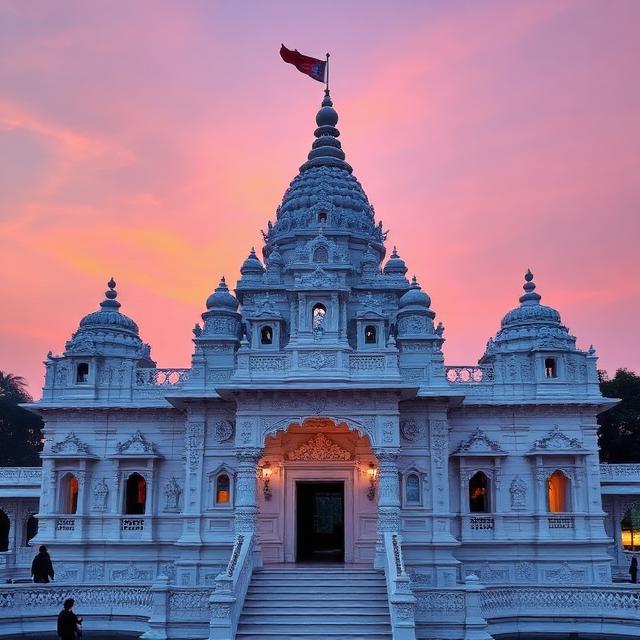
About Shri Kshetra Dharmasthala, Dharmasthala, Dakshina Kannada, Karnataka
Shri Kshetra Dharmasthala Temple is dedicated to Lord Manjunatheshwara, a form of Shiva worshipped as a Shivalinga. Located near the Netravati River in Dakshina Kannada, Karnataka, the temple is known for its long history, daily annadana and the distinctive tradition in which a Jain Heggade family administers the shrine while Madhwa Vaishnava priests perform the rituals.
Dharmasthala is also home to the worship of the four Dharma Daivas and the Jain Chandranatha Swamy Basadi. Its religious history is closely linked with the idea of dharma expressed through worship, hospitality, charity and service.
Story of Shri Kshetra Dharmasthala
Dharmasthala’s history is traditionally traced back about 800 years, when the place was known as Kuduma in the region of present-day Dakshina Kannada. According to the temple’s origin tradition, the Jain chieftain Birmanna Pergade and his wife Ammu Ballalthi lived at Nelyadi Beedu and were known for their hospitality. The tradition says that the Dharma Daivas appeared to Pergade in a dream and asked him to dedicate his home to their worship. He moved to another house and began worshipping the Daivas at Nelyadi Beedu.
The four Dharma Daivas associated with the kshetra are Kalarahu, Kalarkayi, Kumaraswamy and Kanyakumari. The temple’s tradition further recounts that Brahmin priests asked for a Shiva linga to be installed alongside the Daivas. Annappa Swamy was then sent to bring the image of Lord Manjunatheshwara from Kadri, near Mangaluru, and the Manjunatha shrine was built around it. These accounts explain the religious tradition of the site and should be understood as temple history rather than as a single, independently verified foundation record.
In the 16th century, Devaraja Heggade invited the Dvaita saint Vadiraja Tirtha to visit the shrine. According to the temple account, Vadiraja Tirtha re-consecrated the Shiva linga according to Vedic rites and named the place Dharmasthala, meaning the abode of dharma. The institution continues to be administered by the Jain Heggade family, while Madhwa Vaishnava priests conduct worship at the Shiva shrine. The nearby Chandranatha Swamy Basadi preserves Dharmasthala’s Jain tradition alongside its principal Hindu temple.
The main temple follows Kerala-style architecture, suited to the heavy monsoon conditions of the Western Ghats region. It has a square plan, a steep pyramidal roof made from wood and covered with gold-plated copper plates, and a base built using granite and laterite. Wood carvings form an important part of the structure and have been renewed through conservation work. The wider kshetra includes the Manjunatha shrine, the Dharma Daiva shrines, Chandranatha Swamy Basadi, Nelyadi Beedu and the hill shrines associated with Annappa Swamy and Bahubali.
What Makes Shri Kshetra Dharmasthala Sacred for Devotees
Lord Manjunatheshwara
The principal deity is Lord Manjunatheshwara, a form of Lord Shiva worshipped as a Shivalinga. Daily worship follows the temple’s ritual order, with pujas and offerings performed by Madhwa Vaishnava priests. Public darshan may pause during certain rituals and Mahapoojas.
The Dharma Daivas and Annappa Swamy
Kalarahu, Kalarkayi, Kumaraswamy and Kanyakumari are the four Dharma Daivas associated with Dharmasthala. Their shrines form part of the kshetra’s religious life, and Annappa Swamy is closely linked to the tradition of bringing the Manjunatha linga from Kadri. Annappa Swamy Betta is an important site for this part of the temple’s sacred history.
Annadana and Chaturdanas
Annadana, the offering of food, is one of Dharmasthala’s best-known traditions. Free meals are served to pilgrims without distinction of caste, creed or background. The wider Heggade tradition also describes four forms of giving: Anna Dana (food), Aushadha Dana (medicine), Vidya Dana (education) and Abhaya Dana (support and protection). These traditions connect the temple’s worship with the practical expression of dharma.
Chandranatha Swamy Basadi
The Jain Chandranatha Swamy Basadi is an important part of Dharmasthala’s religious heritage. It is a Digambara Jain shrine dedicated to Chandranatha Swamy and is maintained alongside the Manjunatha temple. The presence of both traditions reflects the kshetra’s distinctive religious history.
Annual Festivals & Rituals at Shri Kshetra Dharmasthala, Dharmasthala, Dakshina Kannada, Karnataka
Laksha Deepotsava
Laksha Deepotsava is the annual festival of lamps held over the last five days of the month of Kartika, generally around November or December. Alongside special worship and the lighting of lamps, the festival includes religious and literary gatherings, discourses and cultural programmes.
Maha Shivaratri
Maha Shivaratri is an important observance at the Manjunatha temple. Special pujas are held in honour of Lord Shiva, and the festival includes a car procession and night-long bhajans. Timings and access may change on the festival day.
Mahamastakabhisheka at Bahubali Hill
Mahamastakabhisheka is a Jain ritual performed periodically at the 39-foot monolithic statue of Bahubali on Ratnagiri Hill. The ceremony is separate from the annual festival cycle of the Manjunatha temple and involves the ceremonial anointing of the statue.
Other annual observances at Dharmasthala include Navaratri, Deepavali, Ganesha Chaturthi and the nine-day Annual Jathre, which includes worship of the local deity and the Dharma Daivas.
Sacred Places to Visit Near Shri Kshetra Dharmasthala
Chandranatha Swamy Basadi
The Chandranatha Swamy Basadi is a historic Jain shrine maintained within Dharmasthala. It offers an important view of the kshetra’s Jain heritage alongside its principal Shiva temple.
Bahubali Hill
Bahubali Hill, also known as Ratnagiri Hill, holds a 39-foot monolithic statue of Lord Bahubali. The statue is associated with Jain ideals of renunciation and self-control and is one of Dharmasthala’s best-known landmarks.
Annappa Swamy Betta
Annappa Swamy Betta is associated with Annappa Swamy and the four Dharma Daivas. It is an important site in the kshetra’s traditional account of the arrival of Lord Manjunatheshwara’s linga from Kadri. Entry restrictions apply at this hill; visitors should confirm the current rules before planning a visit.
Plan Your Visit to Shri Kshetra Dharmasthala
NamanDarshan is a technology platform that arranges darshan and related services on your behalf through independent service providers.
Common Questions About Visiting Shri Kshetra Dharmasthala
The main deity is Lord Manjunatheshwara, a form of Lord Shiva worshipped as a Shivalinga. The kshetra also includes shrines dedicated to the four Dharma Daivas and the Jain Chandranatha Swamy Basadi.
The temple is administered by the Jain Heggade family, while Madhwa Vaishnava priests perform the rituals at the Shiva shrine. The kshetra also preserves Jain worship and the traditions of the Dharma Daivas.
Yes. Annadana is a longstanding tradition of Dharmasthala, and free meals are served to pilgrims. Meal arrangements and service details should be confirmed with the temple on the day of the visit.
Weekdays outside festival periods are calmer.
NamanDarshan is a technology platform that arranges darshan and related services on your behalf through independent service providers. We are not the temple or its management, and the temple's rules always apply.
Visitor Information
Darshan Timing
Address
Shri Kshetra Dharmasthala Temple Dharmasthala, Belthangady Taluk, Dakshina Kannada, Karnataka 574216, India
Notable Events
Traditional origins, about 800 years ago: The kshetra’s history is associated with Birmanna Pergade, Ammu Ballalthi and the worship of the Dharma Daivas at Kuduma.
Early 14th century: Historical research discussed by the Karnataka Itihasa Academy places evidence for the temple’s existence in this period.
16th century: The temple tradition associates Vadiraja Tirtha with the re-consecration of the Manjunatha linga and the name Dharmasthala.
1731 and 1772: Grants cited in historical research refer to the Kudumada Manjunatha temple, providing evidence of later patronage.
1973–1982: The 39-foot Bahubali statue was sculpted in 1973 and placed on Ratnagiri Hill in February 1982.
1986: The Annapurna dining hall was established as a larger facility for the continuing annadana tradition.
2001: Chandranatha Swamy Basadi underwent a major renovation to preserve Dharmasthala’s Jain heritage.
How to Reach the Temple
By air: Mangaluru International Airport serves as the main airport for Dharmasthala. Continue by road to the temple town; published distances vary depending on the route and starting point.
By rail: Mangaluru Junction is a major rail option for the journey. Continue from the station by bus or taxi, and confirm current connections before booking.
By road: Karnataka State Road Transport Corporation buses and private buses connect Dharmasthala with Mangaluru and other towns in Karnataka. Private vehicles and taxis are also used for the final journey.
Local travel: The main temple, Chandranatha Swamy Basadi, Bahubali Hill and Annappa Swamy Betta are located within the Dharmasthala pilgrimage area. Check opening hours and any site-specific access restrictions before visiting the hill shrines.