
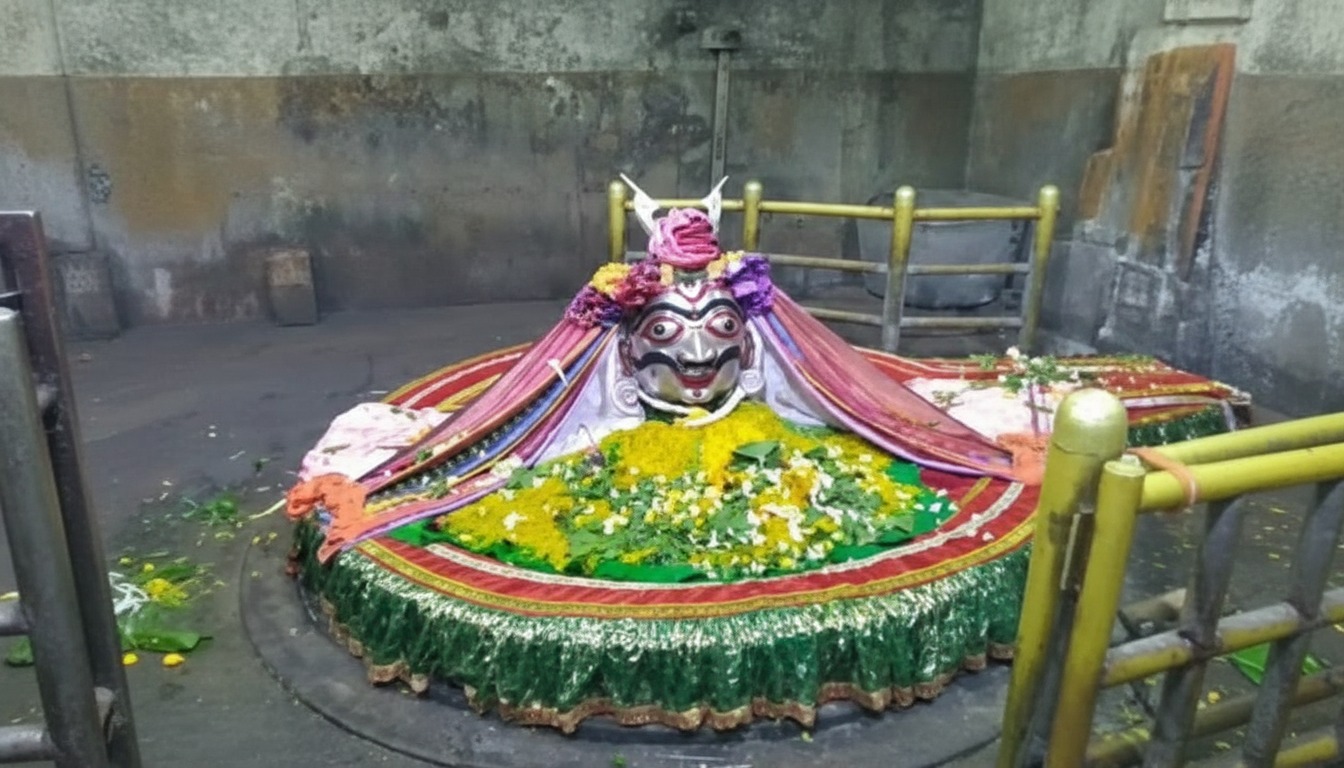
About Lingaraj Temple, Bhubaneswar, Odisha
Lingaraj Temple is one of the oldest and most important temples of Bhubaneswar, dedicated to Lord Lingaraj. The presiding deity is worshipped as Harihara, a form that brings together Shiva and Vishnu, and the shrine remains the centre of worship in the historic Ekamra Kshetra.
The temple is known for its Swayambhu linga, its 11th-century Kalinga architecture, its large collection of subsidiary shrines and festivals such as Maha Shivaratri and Rukuna Ratha Yatra. Around the main temple, Bindu Sagar, Ekamra Van and several older shrines form part of the sacred landscape of Old Bhubaneswar.
Story of Lingaraj Temple
The present Lingaraj Temple belongs to the 11th century and is generally associated with the Somavamsi rulers of Odisha, with later work carried out during the Ganga period. The sacred history of the site is older. The Ekamra Purana, a 13th-century Sanskrit text, describes Ekamra as a holy place centred on the deity of Lingaraj, while Odisha's historical literature preserves traditions of an earlier shrine at the site.
The temple represents the mature form of Kalinga architecture. Its main structure rises about 180 feet and is organised along a single axis through four principal parts: the Vimana containing the sanctum, the Jagamohana or assembly hall, the Natamandira or festival hall, and the Bhoga Mandapa used for offerings. The complex contains numerous subsidiary shrines within its walls, giving the temple the character of a complete sacred precinct rather than a single isolated shrine.
What Makes Lingaraj Temple Sacred for Devotees
The Swayambhu Linga of Lingaraj
The principal deity is a Swayambhu, or self-manifested, linga. Unlike a linga shaped entirely by human hands, the sacred form at Lingaraj is traditionally described as a natural, uncarved stone resting on a prepared base.
The linga is worshipped daily with ritual bathing, offerings and adornment. This continuing worship is central to the identity of Lingaraj and distinguishes the temple from the many ancient shrines of Bhubaneswar that survive primarily as monuments.
Lingaraj as Harihara
Lingaraj is worshipped as Harihara, bringing together Hari, Vishnu, and Hara, Shiva. This tradition became more prominent as Vaishnava influence grew in Odisha, particularly during the period of the Ganga rulers.
Vaishnava images were added to the temple complex, and the worship of Lingaraj came to include elements associated with both traditions. The combination is one of the defining features of the temple's religious identity.
Ekamra Kshetra and the Mango Grove Tradition
The older sacred name of Bhubaneswar is Ekamra Kshetra. According to the religious tradition preserved in the Ekamra Purana, the deity was originally worshipped beneath an ekamra, or mango tree.
The name is therefore closely linked with the sacred geography of Lingaraj. Ekamra Kshetra developed as a wider network of temples, water bodies and shrines with Lingaraj at its centre, rather than as a temple standing apart from its surroundings.
The Legend of Parvati and the Demons
A popular legend of Ekamra tells of Goddess Parvati, who came to the region in disguise and encountered two demons, Kirti and Vasa. After defeating them, Shiva is said to have created the sacred Bindu Sagar and made Ekamra his abode.
This account belongs to the religious tradition of Bhubaneswar and helps explain the close relationship between Lingaraj, Parvati and Bindu Sagar. It should be understood as a sacred legend rather than an archaeological account of the city's origins.
Lingaraj and the Sacred Bindu Sagar
Bindu Sagar lies immediately north of the temple and is one of the principal sacred water bodies of Ekamra Kshetra. Religious tradition holds that its waters contain the essence of sacred rivers and tirthas from across India.
The tank remains closely connected with temple festivals, particularly Chandan Yatra, when the representative deity is taken onto the water for ceremonial observances.
Lingaraj and the Wider Temple City
Lingaraj does not stand alone within Bhubaneswar. The surrounding Ekamra Kshetra contains temples of different periods dedicated to Shiva, Vishnu, Shakti and other deities.
This concentration of living shrines is one reason Bhubaneswar is known as the Temple City. Lingaraj occupies the centre of this sacred landscape, while nearby temples such as Mukteswar, Parasurameswar and Ananta Vasudeva show how different strands of Odisha's religious architecture developed around it.
Annual Festivals & Rituals at Lingaraj Temple, Bhubaneswar, Odisha
Daily Worship Celebrations at the Temple
The temple follows a daily sequence of bathing, adornment, food offerings, dhupa and arati. Ritual services continue through the day, with periods when public access changes while offerings or other temple ceremonies are performed. The exact schedule can vary, so detailed darshan timings should be checked separately before visiting.
Maha Shivaratri Celebrations at the Temple
Maha Shivaratri is the most important annual festival at Lingaraj. Devotees observe fasting and night-long worship, while the temple remains at the centre of the celebrations. A large Mahadipa is traditionally raised over the temple during the festival, marking one of the best-known moments of the annual observance.
Rukuna Ratha Yatra Celebrations at the Temple
Rukuna Ratha Yatra is the annual chariot festival associated with Lingaraj and is held on Ashokashtami. The representative deity is taken in a decorated chariot to the Rameswar Temple, where the deity remains for a period before returning. The name Rukuna Ratha is traditionally explained as the chariot that does not turn back on its route.
Chandan Yatra Celebrations at the Temple
During Chandan Yatra, the representative deity is taken to Bindu Sagar for ceremonial water rituals. The festival forms part of the larger summer ritual calendar of Bhubaneswar and connects the temple directly with the sacred tank beside it.
Sital Sasthi Celebrations at the Temple
Sital Sasthi celebrates the symbolic marriage of Shiva and Parvati and is an important Shaiva festival in Odisha. At Lingaraj, the observance connects the temple's ritual calendar with the wider marriage traditions of Bhubaneswar.
Sacred Places to Visit Near Lingaraj Temple
Bindu Sagar : Bindu Sagar is the principal sacred tank of Old Bhubaneswar and lies beside Lingaraj Temple. It is closely associated with the temple's ritual geography and Chandan Yatra.
Ekamra Van : Ekamra Van is a garden on the western side of Bindu Sagar named after the traditional mango-grove identity of Ekamra Kshetra. Its plants are associated with different Hindu deities and traditional religious use.
Mukteswar Temple : Mukteswar Temple is one of Bhubaneswar's best-known early monuments and is important for understanding the development of Kalinga architecture before the full maturity represented by Lingaraj.
Parasurameswar Temple : Parasurameswar Temple is among the earliest surviving temples of Bhubaneswar. Its compact form and early carvings provide a useful architectural comparison with the much larger Lingaraj complex.
Rajarani Temple : Rajarani Temple is known for its sandstone construction and richly carved exterior. Unlike Lingaraj, it is not a living temple in the same way, making the two monuments a useful contrast between active worship and preserved architecture.
Ananta Vasudeva Temple : Ananta Vasudeva Temple is dedicated to Krishna and represents the Vaishnava tradition within the wider sacred landscape of Old Bhubaneswar. Its location makes it particularly relevant when exploring the Vaishnava side of the religious culture that also appears in Lingaraj's Harihara tradition.
Udayagiri and Khandagiri Caves : The Udayagiri and Khandagiri caves belong to an earlier layer of Odisha's religious history and are associated with Jain ascetic traditions. Together with the temples of Old Bhubaneswar, they show the region's wider religious and architectural development.
Plan Lingaraj Temple Darshan
For current darshan planning, entry guidance, queue information, date-specific timings and Naman Darshan's Guided Darshan Assistance, continue to the dedicated Lingaraj Temple Darshan page.
Common Questions About Visiting Lingaraj Temple
Visitor Information
Entry Fee
No entry fee for general temple entry – Any separate service or assistance is distinct from temple entry. Entry into the temple compound is restricted to Hindus – Non-Hindu visitors can use the external viewing platform.
Darshan Timing
Address
Lingaraj Temple, Lingaraj Temple Road, Old Town, Bhubaneswar, Odisha 751002, India
Notable Events
7th century - Early shrine tradition – Odisha's historical literature preserves a tradition of an early Shiva shrine at the site of present-day Lingaraj. This should not be confused with the surviving 11th-century structure. • 11th century - Present temple developed – The main Lingaraj Temple took shape under the Somavamsi rulers and represents the mature phase of Bhubaneswar's Kalinga temple architecture. • 12th century - Ganga-period additions and religious synthesis – Later rulers remodelled parts of the temple and introduced Vaishnava elements, strengthening the Harihara character associated with Lingaraj. • 13th century - Ekamra Purana – The Sanskrit Ekamra Purana records the sacred geography and traditions of Ekamra Kshetra, placing Lingaraj at the centre of the holy landscape. • 2014 - Ekamra Kshetra enters UNESCO's Tentative List – Ekamra Kshetra was submitted to UNESCO as a cultural heritage site representing Bhubaneswar's historic temple city, with Lingaraj as its architectural culmination.
How to Reach the Temple
By air: Biju Patnaik International Airport is the main airport serving Bhubaneswar. The temple lies in the Old Town area and can be reached by taxi or local transport from the airport.
By rail: Bhubaneswar Railway Station is the principal railway station for the city. Taxis, auto-rickshaws and local transport are available for the journey to Old Town.
By road: Lingaraj Temple is well connected to the main areas of Bhubaneswar by road. Taxis, auto-rickshaws and city transport can be used to reach the temple area.
Within Old Bhubaneswar: The Lingaraj complex sits within a dense historic temple neighbourhood. Nearby Bindu Sagar, Mukteswar, Parasurameswar and Ananta Vasudeva can be explored as part of the wider Ekamra Kshetra circuit.
Varanasi, Uttar Pradesh