
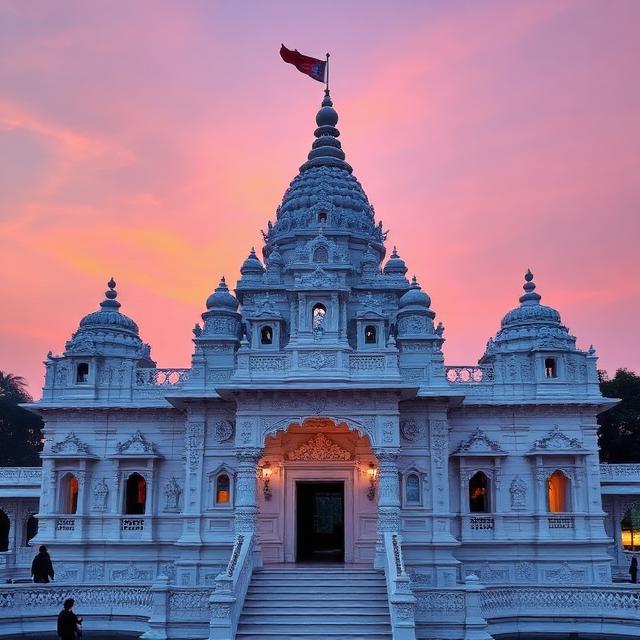
About Kotilingala Temple, Kotilingala, Jagtial District, Telangana
Kotilingala Temple is a Shiva shrine on the bank of the Godavari River in Jagtial district, Telangana. Lord Shiva is worshipped here as Sri Koteswara Swamy, and the temple is known for the tradition of offering and installing Shiva lingas.
Kotilingala is also an important early-historic settlement. Coins, fort remains and other archaeological finds connect the village with the region’s pre-Satavahana and Satavahana history. The present temple remains a place of worship, while the nearby archaeological remains tell a separate story of the settlement that developed here many centuries earlier.
Story of Kotilingala Temple
The temple is dedicated to Lord Shiva, worshipped as Sri Koteswara Swamy. Some sources also use the name Sri Koteswara Siddeshwara Swamy. The shrine stands beside the Godavari, near the meeting point of the river and Peddavagu, and its riverside setting is part of the temple’s identity.
The name Kotilingala is commonly associated with the tradition of koti lingas, or a crore of Shiva lingas. Devotees offer or install lingas as an act of worship, and this practice remains central to the shrine’s local religious life. The name’s origin is not certain, however: some historical interpretations also connect it with kota, meaning fort, and linga.
The present temple layout centres on the Shiva linga, with space for worship, rituals and linga offerings. Publicly available sources give limited reliable detail about the construction date or a specific architectural style for the current shrine, so its building history should not be confused with the much older history of the surrounding settlement.
The archaeological site at Kotilingala contains evidence of a fortified settlement, including mud fortifications, brick structures, pottery, beads, coins and Buddhist remains such as Chaitya Grihas and a Vihara complex. Excavations conducted by the state archaeology department between 1979 and 1983 added important evidence of Kotilingala’s role in early historic Telangana. These discoveries make the village significant in the history of the Deccan, but they do not establish that the present Shiva temple was built during the Satavahana period.
What Makes Kotilingala Temple Sacred for Devotees
The tradition of offering Shiva lingas
Devotees worship Koteswara Swamy through puja and offerings, including the installation of Shiva lingas. The practice is associated with lasting devotion: a linga offered at the shrine remains part of the place’s continuing worship. The popular explanation of Kotilingala as a place of “crore of lingas” belongs to the local religious tradition, rather than being a verified count of ancient lingas.
The local story of two Shiva lingas
One local oral tradition tells of sages near Munula Gutta who sent Hanuman to Kashi to bring a Shiva linga. When Hanuman was delayed, the sages consecrated another linga. The story explains the association of the shrine with two lingas and a customary order of worship. It belongs to the temple’s religious tradition and should not be treated as an archaeological account.
The Godavari and Kotilingala
The Godavari forms an important part of Kotilingala’s setting. The river and the nearby Peddavagu are connected with the location of both the temple and the ancient settlement. For pilgrims, the riverfront is part of the wider sacred landscape; visitors should follow local guidance on access to the water, especially when river conditions change.
The temple and the ancient settlement
Kotilingala’s religious life continues alongside its archaeological importance. The discovery of old coins and settlement remains has made the area significant to historians, while the Koteswara Swamy shrine remains a place of active worship. These are connected aspects of the same location, but the archaeological evidence and the temple’s religious traditions answer different questions about its past.
Annual Festivals & Rituals at Kotilingala Temple, Kotilingala, Jagtial District, Telangana
Shiva Linga Puja and Offerings
Devotees offer puja to Sri Koteswara Swamy, and the installation of Shiva lingas is a distinctive practice associated with Kotilingala. Anyone planning a specific offering or ritual should check the current arrangements with the temple locally.
Maha Shivaratri
Maha Shivaratri is one of the main annual observances at Kotilingala Temple. Special worship draws additional devotees, so the temple and approach may be busier than on an ordinary day.
Karthika Masam
During Karthika Masam, devotees observe Shiva worship and the lighting of lamps. Attendance can increase on auspicious days during the month.
Mondays
Monday is traditionally associated with the worship of Lord Shiva. Devotees visit the temple for prayer and offerings throughout the year.
Sacred Places to Visit Near Kotilingala Temple
Kotilingala Archaeological Site
The archaeological remains provide a view of Kotilingala’s early historic past. Excavations revealed fortifications, coins, pottery, brick structures and Buddhist remains, giving the village importance beyond its present-day temple.
Sri Lakshmi Narasimha Swamy Temple, Dharmapuri
Dharmapuri is another important temple town on the Godavari in Jagtial district. Its Sri Lakshmi Narasimha Swamy Temple makes it a relevant destination for pilgrims exploring the region’s river-side shrines.
Kondagattu Anjaneya Swamy Temple
Kondagattu is a well-known Hanuman temple in Jagtial district. It can be included in a broader regional pilgrimage, depending on the time available for travel.
Dhulikatta Buddhist Site
Dhulikatta is known for its ancient Buddhist stupa and archaeological importance. It offers a different perspective on the early religious history of the region, complementing a visit to Kotilingala’s temple and archaeological remains.
Plan Your Visit to Kotilingala Temple
NamanDarshan is a technology platform that arranges darshan and related services on your behalf through independent service providers.
Common Questions About Visiting Kotilingala Temple
The presiding deity is Lord Shiva, worshipped as Sri Koteswara Swamy. Some sources use the name Sri Koteswara Siddeshwara Swamy.
The temple is known for Shiva worship and the tradition of offering or installing Shiva lingas. Kotilingala is also important for the ancient settlement and archaeological remains found in the surrounding area.
Telangana Tourism and some educational accounts describe Kotilingala as the first Satavahana capital. Archaeological finds confirm its importance as an early historic settlement, but scholars have debated the identification of some coins and what they prove about the dynasty’s origins. The stronger capital claim should therefore be presented with qualification.
That is the popular religious explanation of the name and is associated with the local tradition of offering Shiva lingas. Some historical interpretations connect the name with kota (fort) and linga, so the origin of the name is not settled.
NamanDarshan is a technology platform that arranges darshan and related services on your behalf through independent service providers. We are not the temple or its management, and the temple's rules always apply.
Visitor Information
Darshan Timing
Address
Sri Koteswara Swamy Temple Kotilingala Village, Velgatur Mandal Jagtial District, Telangana, India
Notable Events
Early historic period — Kotilingala develops as an important settlement
Coins attributed to local pre-Satavahana rulers, including Gobhada and Samagopa, are among the evidence connecting the site with the region’s early political and commercial history.
1978 — Coin discoveries bring renewed attention to the site
Coins recovered from mounds at Kotilingala drew attention to the importance of the settlement and its numismatic evidence.
1979–1983 — State archaeology excavations
Excavations brought to light fortifications, brick structures, coins, pottery, beads and Buddhist remains, including Chaitya Grihas and a Vihara complex.
2006 — Excavation report published
A report on the Kotilingala excavations of 1979–1983 was published by the Department of Archaeology and Museums of the then Andhra Pradesh government.
2025 — Government of India confirms the site’s heritage status
A parliamentary reply identified Kotilingala as a site protected by the Department of Heritage, Telangana, rather than an Archaeological Survey of India monument of national importance.
How to Reach the Temple
By Air:
Rajiv Gandhi International Airport in Hyderabad is the major airport used for travel to the Jagtial region. From the airport, continue by road towards Jagtial and Kotilingala.
By Rail:
Peddapalli and regional railway connections serving Jagtial are possible access points, depending on current train availability. An onward road journey is needed to reach Kotilingala village. Check current train and local transport services before departure.
By Road:
Kotilingala can be reached by road from Jagtial, Karimnagar and Peddapalli. The final approach is to Kotilingala village in Velgatur Mandal, beside the Godavari River.
Local travel:
Confirm the final route and current road conditions before setting out. If visiting both the temple and archaeological remains, check which areas are accessible on the day and follow local instructions around the river and historic structures.