
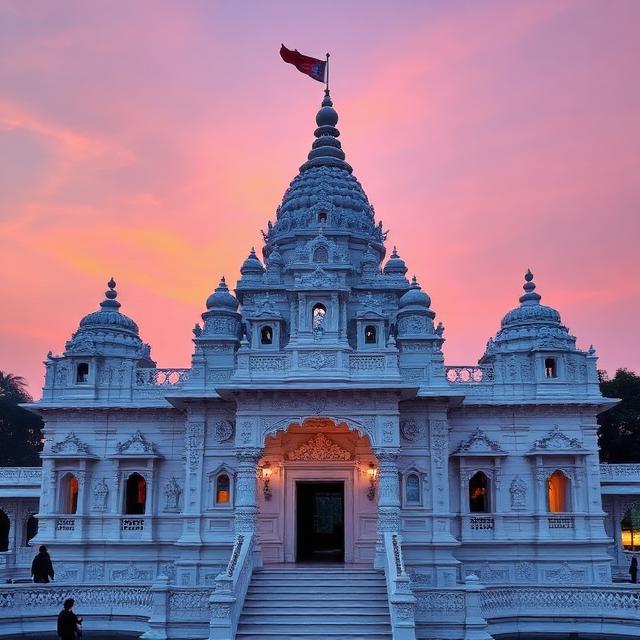
About Jhandewalan Temple, Jhandewalan, New Delhi
Jhandewalan Temple, also known as Jhandewalan Mata Mandir, is dedicated to Maa Jhandewali, worshipped as a form of Goddess Durga and Adi Shakti. The temple stands near Karol Bagh in central Delhi and is especially known for its cave shrine, flag tradition and Navratri celebrations.
The complex has an upper shrine and a lower Gufa Darbar, associated with the original image of the goddess in local temple tradition. Daily aarti, bhog, havan and kirtan form part of its worship, while the temple also has a history of community service.
Story of Jhandewalan Temple
Jhandewalan Temple in Delhi is dedicated to Jhandewali Mata, a form of the Divine Mother associated in local tradition with Mata Vaishno Devi. The temple takes its name from the jhanda, or flag, offered to the Goddess. Its history is closely linked with Badri Das, popularly known as Badri Bhagat, a cloth merchant from Chandni Chowk and a devotee of Mata Vaishno Devi.
According to temple tradition, Badri Bhagat was guided by a dream to an image of the Goddess buried near a spring or waterfall on the Delhi Ridge. He is believed to have discovered the image while digging at the site. The account forms the central discovery tradition of Jhandewalan Temple and explains how a quiet hillside became a place of worship.
Tradition holds that the original image was damaged during its excavation. It was preserved in a lower cave shrine, where silver hands were added, while another image was installed in the upper shrine. These forms came to be associated with Gufawali Mata, the Goddess of the cave, and Jhandewali Mata, the Goddess associated with the flag. A flag raised at the site is traditionally said to have given the place its name.
The temple has developed around these two forms of worship. The upper shrine houses the main image of Jhandewali Mata, while the lower cave shrine preserves the original image. The complex also includes subsidiary shrines dedicated to Shiva and Kali. Together, these spaces preserve the temple’s discovery tradition and its continuing place in Delhi’s worship of the Divine Mother.
What Makes Jhandewalan Temple Sacred for Devotees
Maa Jhandewali as Adi Shakti
Devotees worship Maa Jhandewali as a form of Durga and the divine feminine power known as Adi Shakti. In local devotional belief, she is also associated with Vaishno Devi and is approached as a protective mother. The temple’s worship centres on the goddess and on the relationship between the upper shrine and the older cave shrine.
The Significance of the Gufa Darbar
The lower cave shrine is one of the temple’s distinctive features. In the local tradition, it preserves the image associated with Badri Bhagat’s discovery. Its presence keeps the story of the shrine connected to a particular place within the complex, rather than only to the upper temple.
The Flag Tradition
The flag is central to the popular explanation of the name Jhandewalan. The word jhanda means flag, and the temple’s tradition connects the raising of a flag with the discovery of the goddess’s image. The precise historical date of this practice is unclear, but the association remains part of the shrine’s local identity.
Worship as a Living Tradition
Jhandewalan is not only a historic shrine; it remains an active place of daily worship. Aarti, bhog, havan and kirtan structure the temple’s religious day. During Navratri, the schedule expands to accommodate special worship, devotional programmes and large gatherings of pilgrims.
The temple is also associated with community service, including food distribution and other charitable activities. These practices form part of its public role beyond the main acts of worship.
Annual Festivals & Rituals at Jhandewalan Temple, Jhandewalan, New Delhi
Daily worship and the annual festival calendar shape the temple’s religious life. The exact schedule can change, especially during Navratri and other major observances, so visitors should check the current temple programme before travelling.
Daily Aarti and Bhog
The temple follows a daily sequence of aartis, including Mangala, Shringar, Bhog, evening worship and Shayan Aarti. Bhog is offered to the goddess, while havan and kirtan are also part of regular worship.
Chaitra Navratri
Chaitra Navratri is observed in spring and marks nine days of worship dedicated to the forms of Goddess Durga. The temple holds special worship during this period and receives more devotees than on an ordinary day.
Sharadiya Navratri and Durga Ashtami
Sharadiya Navratri is one of the temple’s principal annual celebrations. Special pujas, bhajans, jagran and bhandara form part of the festival programme. Durga Ashtami is an especially important day, with additional worship and extended arrangements for devotees.
Diwali
The temple observes Diwali with special worship and decoration. The festival forms part of the annual calendar and brings additional activity to the shrine.
Shukla Paksha Ashtami Jagran
A jagran is traditionally held on Ashtami during the waxing phase of the lunar month. Devotees gather for devotional singing and night-time worship. The current programme should be checked with the temple, as arrangements and timings may vary.
Other Festival Observances
The temple’s published festival calendar also lists observances such as Mahashivratri, Janmashtami and Chhath. The form of celebration and visitor arrangements depend on the temple’s current annual programme.
Sacred Places to Visit Near Jhandewalan Temple
Jhandewalan Hanuman Mandir
Located in the same Jhandewalan area, this temple is known for its towering Hanuman statue near the elevated Metro corridor. It is a separate shrine from Jhandewalan Mata Mandir and can be included in a visit to the neighbourhood.
Laxminarayan Temple (Birla Mandir)
Laxminarayan Temple, commonly known as Birla Mandir, is located on Mandir Marg and is dedicated primarily to Lord Vishnu and Goddess Lakshmi. Its main shrines and stone architecture make it one of central Delhi’s prominent Hindu temples.
Gurudwara Bangla Sahib
Gurudwara Bangla Sahib is one of Delhi’s best-known Sikh shrines. It is recognised for its golden dome and sarovar, and its community kitchen serves visitors as part of the Sikh tradition of langar.
Karol Bagh
Karol Bagh is a major commercial neighbourhood close to Jhandewalan. Its markets and transport connections make it a practical nearby stop, although traffic and crowd movement can change during major temple festivals.
Plan Your Visit to Jhandewalan Temple
NamanDarshan is a technology platform that arranges darshan and related services on your behalf through independent service providers.
Common Questions About Visiting Jhandewalan Temple
The presiding deity is Maa Jhandewali, worshipped as a form of Goddess Durga and Adi Shakti. Local devotional tradition also associates her with Vaishno Devi.
The name is associated with jhanda, the Hindi word for flag. According to the temple’s origin tradition, a flag was raised after the discovery of the goddess’s image.
The temple is especially busy during Chaitra Navratri, Sharadiya Navratri and Durga Ashtami. The days can bring larger crowds and changes to the usual visitor arrangements.
Badri Bhagat, also known as Badri Das, was a devotee traditionally associated with the discovery of the goddess’s image and the establishment of the shrine. The account of his dreams and discovery is part of the temple’s religious tradition.
NamanDarshan is a technology platform that arranges darshan and related services on your behalf through independent service providers. We are not the temple or its management, and the temple's rules always apply.
Visitor Information
Darshan Timing
Address
Jhandewalan Mata Mandir 10196 Jhandewala Estate, Deshbandhu Gupta Marg, New Delhi – 110055, India.
Notable Events
Nineteenth century — The shrine associated with Badri Bhagat
The temple’s known origin tradition centres on Badri Das, or Badri Bhagat, and the discovery of the goddess’s image. Available accounts place the establishment of the shrine in the nineteenth century, although the dream and discovery story remains a matter of temple tradition.
1944 — Management society formalised
Shyam Sundar, a later member of Badri Bhagat’s family, formalised the Badri Bhagat Jhandewalan Temple Society in 1944 to manage the temple and its activities. This provides a clearer institutional milestone than broader claims of an ancient foundation.
2020 — Community food relief
During the COVID-19 lockdown, the temple took part in large-scale food distribution for people facing hardship in Delhi. Contemporary reporting recorded more than 18.5 lakh meals served over 50 days.
Present day — Live darshan and organised programmes
The temple’s website now provides live darshan and publishes schedules, festival programmes and other notices. These facilities offer an additional way to follow temple worship, although they do not replace current visitor instructions.
How to Reach the Temple
By Metro:
Jhandewalan Metro station on the Blue Line serves the temple area. From the station, follow local directions toward Jhandewala Estate and Deshbandhu Gupta Marg.
By Air:
Indira Gandhi International Airport is the main airport serving Delhi. From the airport, continue by taxi or public transport toward central Delhi and Jhandewalan.
By Rail:
New Delhi Railway Station is a practical rail gateway for visitors arriving in the city. Taxis, autos and Metro services can be used for the onward journey. Old Delhi Railway Station also serves the wider city.
By Road:
The temple is located at Jhandewala Estate on Deshbandhu Gupta Marg, near Karol Bagh. Taxis, autos and local buses serve the surrounding area. Road access may be slower during Navratri and other busy religious occasions.
Before travelling:
Check the official temple website for current hours, festival announcements and any changes to entry or movement around the temple.