
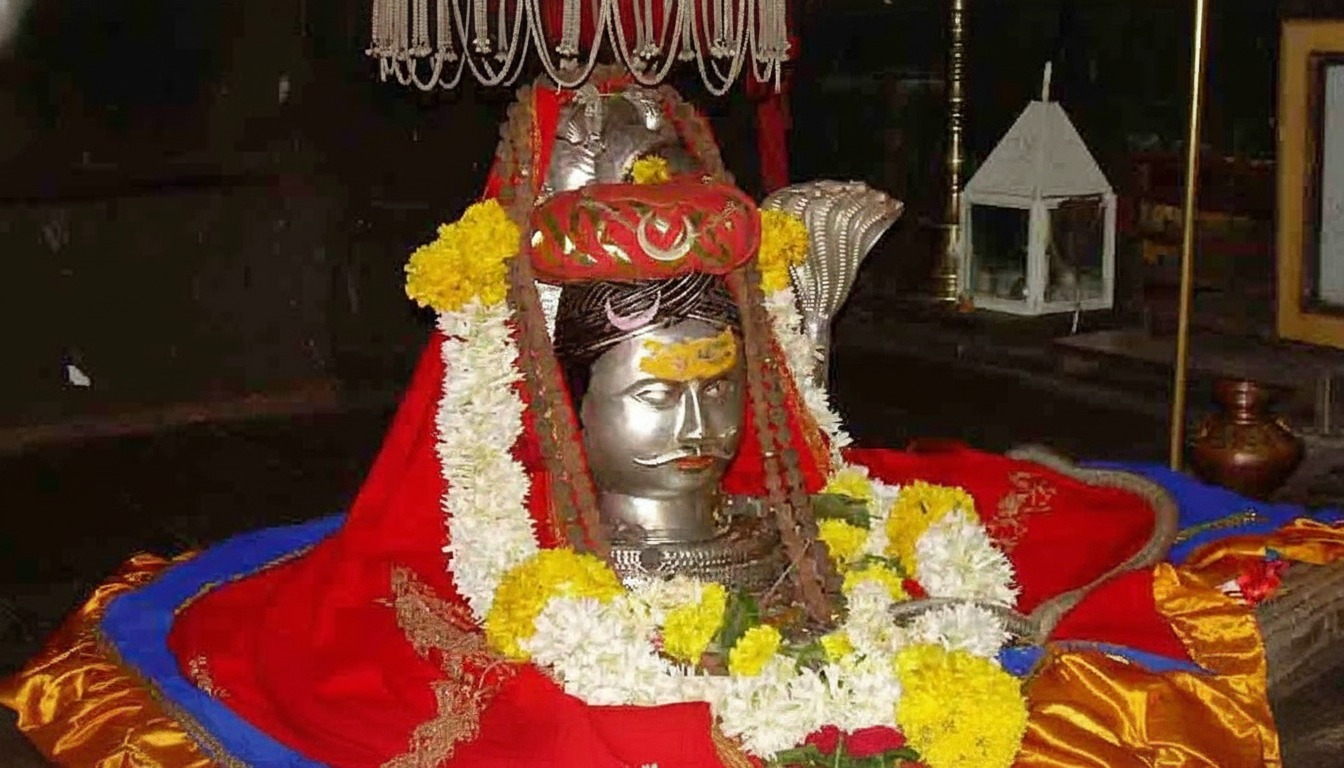
About Bhimashankar Jyotirlinga Temple, Bhimashankar, Maharashtra
Bhimashankar Jyotirlinga Temple is one of the twelve Jyotirlingas dedicated to Lord Shiva. The shrine stands in the Sahyadri hills in Pune district, close to the source of the Bhima River and within the landscape of Bhimashankar Wildlife Sanctuary.
The temple is known for its swayambhu Jyotirlinga, its Nagara-style stone architecture, its association with the Tripurasura tradition and the nearby shrine of Kamalaja Mata. The temple complex and its surrounding tirthas form an important part of the religious landscape of Bhimashankar.
Story of Bhimashankar Jyotirlinga Temple
The Bhimashankar shrine is associated with a long history of Shiva worship in the Sahyadris. References to Bhimashankaram and the Bhimarathi river are found in medieval sources, including traditions associated with Sant Namdev and Sant Jnaneshwar. The present temple is generally dated to the 13th century, although the shrine's sacred history is older.
The temple seen today reflects several periods of construction and patronage. The Maratha period was especially important: Chhatrapati Shivaji Maharaj is traditionally associated with an endowment for the temple's religious services, while later Peshwa-period patronage brought further work to the complex. In the 18th century, Nana Phadnavis is credited with the Sabhamandap and the principal shikhara.
The main shrine is built largely of local stone and combines Nagara features with elements commonly described as Hemadpanthi. The garbhagriha lies below the level of the surrounding hall and contains the swayambhu Jyotirlinga. Carved figures appear on the pillars, door frames and exterior portions of the temple, while the Nandi shrine stands before the sanctum.
The temple's historic character is also visible in the large bell associated with Chimaji Appa, which tradition connects with the Maratha victory at Vasai in 1739. Around the main shrine are smaller sacred places including Kamalaja Mata, the Shani shrine, Mokshakund and other tirthas, giving the complex a wider religious geography than the central sanctum alone.
What Makes Bhimashankar Jyotirlinga Temple Sacred for Devotees
The Tripurasura Tradition
According to the temple's religious tradition, the asura Tripurasura performed severe penance to obtain great power from Lord Shiva. He later used that power against the gods and other beings, leading them to seek Shiva's protection.
Shiva is said to have joined with Goddess Parvati in the form of Ardhanarishvara and confronted Tripurasura. The battle is traditionally associated with Kartik Purnima, remembered as Tripurari Purnima. After the victory, Shiva is believed to have remained at Bhimashankar in the form of the Jyotirlinga.
This story belongs to the sacred tradition of Bhimashankar and explains the shrine's connection with Tripurari Purnima rather than serving as an independently established historical account.
Kamalaja Mata
Kamalaja Mata is a nearby form of Goddess Parvati associated with the Tripurasura story. According to local tradition, she assisted Shiva in the battle and was worshipped by Brahma with lotus flowers.
The presence of Kamalaja is significant to the religious identity of Bhimashankar because the local tradition does not treat the Shiva shrine in isolation. Shiva, Parvati and the surrounding tirthas form part of one connected sacred landscape.
Dakini and Shakini
The temple tradition also connects Bhimashankar with Dakini and Shakini, described as the wives of Tripurasura. After his death, they are said to have approached Shiva, who granted them protection and immortality.
The name Dakinyambhimashankaram, found in the traditional Jyotirlinga verse, is associated with this account and forms part of the religious explanation for Bhimashankar's identity.
The Source of the Bhima River
Bhimashankar is traditionally regarded as the source of the Bhima River. A small kund near the temple marks the place from which the river is said to begin its course.
Religious tradition connects the river with Shiva after the battle with Tripurasura, while the geographical Bhima River flows eastward from the Bhimashankar region before eventually joining the Krishna river system.
Mokshakund and the Sacred Tirthas
Mokshakund Tirtha lies behind the main temple and is associated by tradition with the sage Kaushik. Other sacred water sites in the area include Sarvatirtha, Kusharanya Tirtha and Gyankund.
These places are part of the older pilgrimage geography of Bhimashankar. The journey to the temple has therefore traditionally included not only darshan of the Jyotirlinga but also reverence for the tirthas and shrines around it.
Annual Festivals & Rituals at Bhimashankar Jyotirlinga Temple, Bhimashankar, Maharashtra
Daily Worship Celebrations at the Temple
The temple follows a daily sequence of worship that includes morning prayers, Abhishekam, Naivedya, afternoon worship, evening darshan and Aarti. The exact public access to these rituals follows the schedule fixed by the temple trust.
Mahashivratri Celebrations at the Temple
Mahashivratri is one of the principal festivals at Bhimashankar. Special worship and Aarti take place through the festival period, and the shrine receives a large number of pilgrims.
Shravan Month Celebrations at the Temple
The month of Shravan is especially important for Shiva worship. Devotees visit Bhimashankar for darshan, Abhishekam and other offerings during this period.
Tripurari Purnima Celebrations at the Temple
Kartik Purnima is observed as Tripurari Purnima and is directly connected with the Bhimashankar tradition of Shiva's victory over Tripurasura. The temple trust records special worship and a Palkhi ceremony for this observance.
Ganesh Chaturthi Celebrations at the Temple
Ganesh Chaturthi is also observed at Bhimashankar as part of the temple's annual religious calendar, alongside other festival and seasonal worship.
Sacred Places to Visit Near Bhimashankar Jyotirlinga Temple
Kamalaja Mata Temple : Kamalaja Mata is the shrine traditionally associated with Goddess Parvati in the Tripurasura story. It is one of the most important sacred places to include with a Bhimashankar pilgrimage.
Mokshakund Tirtha : Located behind the main temple, Mokshakund is associated with the sage Kaushik in local tradition. It forms part of the temple's older network of sacred water sites.
Gupt Bhimashankar : Gupt Bhimashankar lies in the forested area beyond the main temple and is associated with a naturally formed Shiva shrine beneath flowing water. Reaching it involves a walk through the surrounding forest.
Sakshi Vinayak : Sakshi Vinayak is a small Ganesha shrine associated with the traditional pilgrimage route around Bhimashankar. It is located near the route to Gupt Bhimashankar.
Bhima River Source : A small kund marks the traditional source of the Bhima River near the temple. The site connects the geography of the river directly with Bhimashankar's sacred identity.
Hanuman Lake : Hanuman Lake lies near the temple area and has shrines dedicated to Hanuman and Anjani Mata. The site is also associated with an older ashram tradition.
Plan Bhimashankar Jyotirlinga Darshan
For current darshan planning, date-specific timings, queue information and Naman Darshan's Guided Darshan Assistance, continue to the dedicated Bhimashankar Temple Darshan page.
Common Questions About Visiting Bhimashankar Jyotirlinga Temple
Visitor Information
Darshan Timing
Address
Bhimashankar Temple, Shri Kshetra Bhimashankar, Via Dimbhe Colony,, Taluka Khed, Pune District, Maharashtra 410509, India
Notable Events
13th century — Medieval shrine and literary references – Bhimashankaram and the Bhimarathi river are associated with medieval religious references, while the present temple is generally dated to this period. • 1437 — Durbar Hall tradition – The Bhimashankar temple tradition records the construction of a Durbar Hall in this period by Chimanji Antaji Nayak Bhinde. • 1739 — Chimaji Appa's bell – A large bell associated with Chimaji Appa is traditionally said to have been brought to Bhimashankar after the Maratha victory at Vasai. • 18th century — Nana Phadnavis additions – The Sabhamandap and shikhara were developed during the Peshwa period under the patronage of Nana Phadnavis. • 1985 — Bhimashankar Wildlife Sanctuary notified – The surrounding forest was formally notified as a wildlife sanctuary, protecting an important Western Ghats habitat and the Indian giant squirrel.
How to Reach the Temple
By Air: Pune International Airport is the main airport used for reaching Bhimashankar. Maharashtra Tourism places the temple about 125 kilometres from Pune, with the remaining journey completed by road.
By Rail: Bhimashankar does not have a railway station in the temple settlement. Pune is a major railhead for the pilgrimage, while Maharashtra Tourism also lists Karjat as a nearby railway option. From either railhead, the final journey is by road.
By Road: Road is the principal way to reach Bhimashankar. State transport buses and private vehicles connect the shrine with Pune and other nearby cities. The Pune–Manchar–Bhimashankar route is commonly used.
From the local bus stand: The final approach to the temple involves walking through the temple settlement and descending toward the shrine. The route and access arrangement may be adjusted during construction or high-footfall days.
SEO Title Laxminarayan Temple (Birla Mandir): History, Deities & Guide
Meta Description Explore Laxminarayan Temple in Delhi, its history, Lakshmi-Narayan deities, Nagara architecture, rituals, festivals and visitor information.
New Delhi, Delhi