
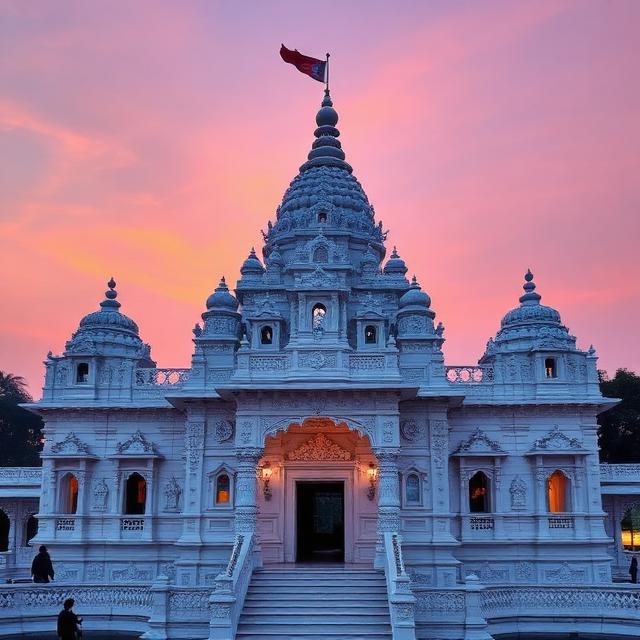
Pashupatinath Temple
    Kathmandu, Nepal

    Pashupatinath Temple

    Divine Abode of Lord Pashupati

    Experience the spiritually powerful Pashupatinath Temple Darshan at one of the most revered

    Shiva shrines in the world. Located on the sacred banks of the Bagmati River in Kathmandu,

    Pashupatinath Temple is worshipped as the supreme seat of Lord Pashupati – the Protector of

    all living beings.

    Unlike many other Shiva temples, Pashupatinath represents Lord Shiva in his compassionate,

    universal guardian form, deeply connected to both life and liberation. A darshan here is believed

    to cleanse past karmas, remove fear, and bless devotees with spiritual protection.

    With Naman Darshan’s international pilgrimage assistance, devotees can experience a

    peaceful and organized darshan even during peak travel seasons.

    Trusted by devotees visiting Nepal from India & abroad
    Kathmandu-specific guidance
    Festival & crowd-aware planning
    Senior & family-friendly support
    Book Pashupatinath Darshan Assistance Now

    The Unique Spiritual Significance of Pashupatinath

    Pashupatinath is not just a temple — it is a living spiritual complex with centuries of devotion and sacred rituals. The main idol is a four-faced (Chaturmukha) Shiva Lingam, symbolizing omnipresence. Only Hindus are allowed inside the main sanctum, maintaining ancient tradition. The temple is a major center of Shaiva Siddhanta and Tantric practices. The sacred Bagmati River flows beside the temple, symbolizing purification and liberation. Pashupatinath is recognized as a UNESCO World Heritage Site. Devotees believe that worshipping Lord Pashupati grants divine protection over all beings — humans and animals alike

    "Devotees feel not like visitors — but like guests in the divine home."

    Pashupatinath Temple Darshan & Ritual Timings

    Darshan at Pashupatinath follows traditional Nepali temple customs

    1

    Morning Darshan:

    4:00 AM – 12:00 PM

    2

    Evening Darshan:

    5:00 PM – 7:00 PM

    3

    Evening Aarati at Bagmati River:

    Around sunrise

    Why Visit Pashupatinath Temple?

    • Open to Hindu devotees through regulated entry.
    • Special Ritual & Abhishek
    • Devotees may participate in Rudrabhishek and other Shiva rituals (subject to temple norms).
    • Festival Darshan
    • Extremely high footfall during Mahashivratri, Teej Festival, and Shravan Maas.
    • Non-Hindus may view the temple complex from across the Bagmati River but cannot enter the
    • main sanctum.
    • Assisted Pashupatinath Darshan with Naman
    • International pilgrimage requires clarity on procedures, cultural practices, and entry norms.
    • Entry & Documentation Guidance
    • Support for understanding temple entry rules for Indian and international devotees.
    • Crowd Management Assistance
    • Guidance during peak days and Mahashivratri celebrations.
    • Ritual Coordination Support
    • Help in planning abhishek or special offerings.
    • Senior & First-Time Visitor Support
    • Assistance navigating temple steps and complex layout.
    • End-to-End Nepal Pilgrimage Support
    • From arrival planning in Kathmandu to darshan completion.

    Pashupatinath Temple stands as a bridge between devotion and modern life.

    Visiting Information

    * Timings and events may vary during festivals.

    Common Questions