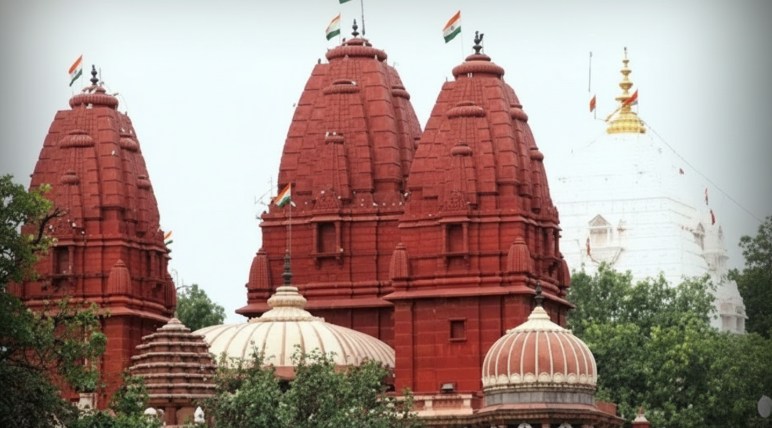
Shri Digambar Jain Lal Mandir, popularly known as Lal Mandir or Red Temple, is one of the oldest and most revered Digambar Jain temples in Delhi. Located in the historic Chandni Chowk area, directly opposite the Red Fort, the temple holds immense religious, cultural, and historical significance. The temple is dedicated to Jain Tirthankaras, particularly Bhagwan Parshvanath, the 23rd Tirthankara. Its distinctive red-colored architecture and peaceful spiritual atmosphere make it an important destination for Jain devotees seeking darshan, puja, prayer, and devotional worship. The temple represents the core principles of Jainism, including **Ahimsa (non-violence), compassion, purity, self-discipline, and spiritual devotion**. Devotees visit Shri Digambar Jain Lal Mandir to offer prayers and participate in traditional Jain puja and seva. The temple complex is also associated with the famous Jain Birds Hospital, which reflects the Jain philosophy of compassion toward all living beings by providing care to injured and sick birds. For devotees who are unable to visit Delhi personally, participating in temple-related puja, chadhava, seva, or prasadam services can be a meaningful way to maintain their spiritual connection with this sacred Jain temple. Today, Shri Digambar Jain Lal Mandir continues to be an important center of Jain faith and heritage in the heart of Old Delhi. Its historic surroundings, sacred atmosphere, traditional worship practices, and connection with Jain principles attract devotees from Delhi, across India, and abroad. Whether visiting for **Bhagwan Parshvanath darshan, Jain puja, Ashtadravya offerings, chadhava, seva, or prasadam**, devotees can experience a sense of devotion and spiritual peace. Lal Mandir remains a cherished symbol of centuries-old Jain tradition, faith, compassion, and devotion.
Book Puja at Shri Digambar Jain Lal Mandir – Service Disclaimer
1. Independent Representative Service
Namandarshan is an independent, private platform that facilitates spiritual services for devotees. We are not a temple trust, nor are we affiliated with, endorsed by, or acting as official representatives of any temple administration or board.
2. Facilitation and Service Fees
Our Chadhava service acts strictly as a proxy, where our representatives make the offering at the temple on your behalf. The payment collected on Namandarshan includes the actual cost of the offering items (such as flowers, sweets, or garments) as well as our platform's facilitation and logistical fees.
3. Tax Exemptions and Receipts
Payments made for the Chadhava service through Namandarshan are for proxy facilitation and are not direct charitable donations to the temple trust. Therefore, these payments do not qualify for tax exemptions (such as Section 80G) unless explicitly stated otherwise with an official temple receipt.
4. Proof of Offering
While we execute every Chadhava with the utmost devotion and sincerity, temple rules often prohibit photography or videography inside the sanctum sanctorum. Consequently, Namandarshan may not always be able to provide digital media (photos/videos) as proof of the offering. We will provide updates based on our representative's confirmation of completion.
5. Sourcing of Chadhava Items
The items offered on your behalf are procured from local vendors surrounding the temple premises. Namandarshan ensures the items meet the standard requirements for temple offerings but does not manufacture these items.
6. Temple Timings and Restrictions
Chadhava executions are subject to temple operating hours, sudden administrative closures, VIP movements, or heavy crowds. In the event that an offering cannot be made on the exact requested date, Namandarshan will ensure it is completed on the next available auspicious day.
Common Questions About Book Puja at Shri Digambar Jain Lal Mandir
Other Sacred Offerings
Brahmin-Panda Seva
SPECIAL.jpg)
Brihadeeswarar Temple
Bilva leaves (most sacred for Shiva) Fresh flowers Coconut Fruits Ghee lamps Rudraksha malas
Pradakshina and Coconut Samarpana
Visa Balaji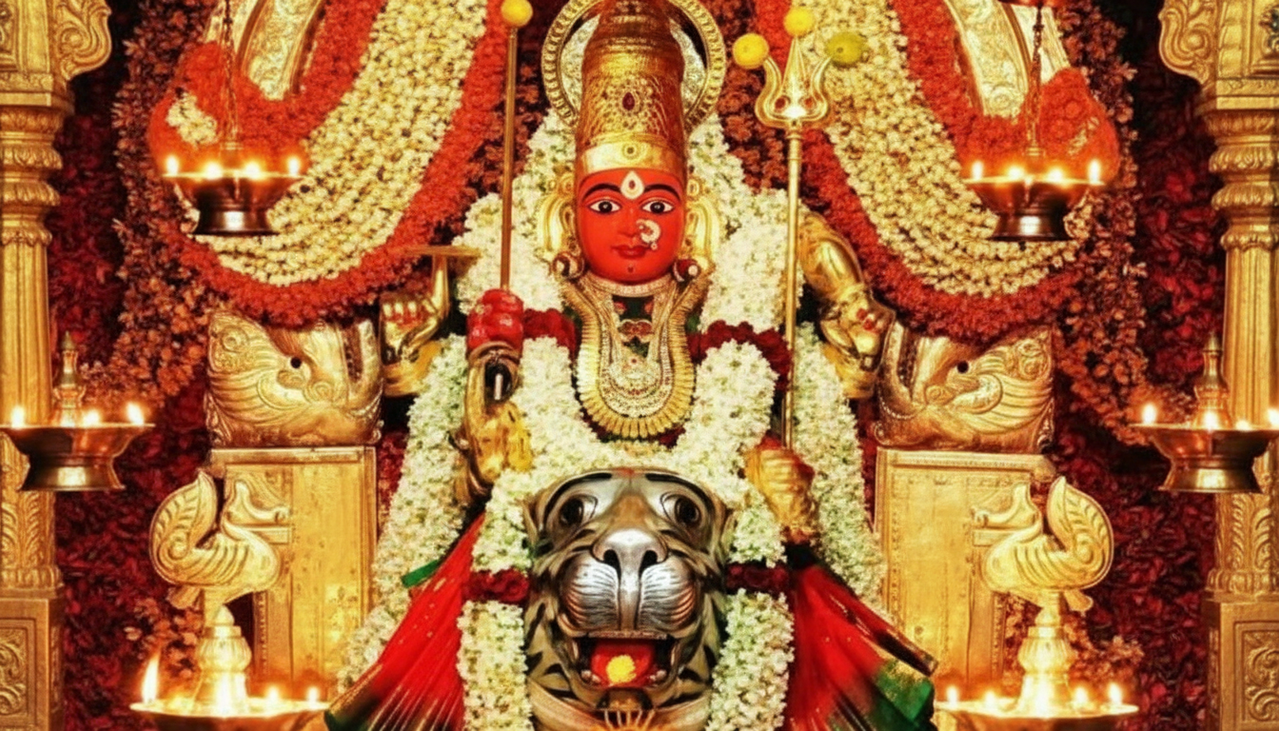
Vodi Biyyam & Shakaambari Offering
Special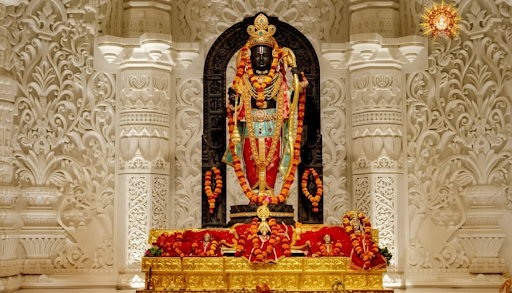
Shri Ram Lalla Virajman Chadawa & Arpan
Special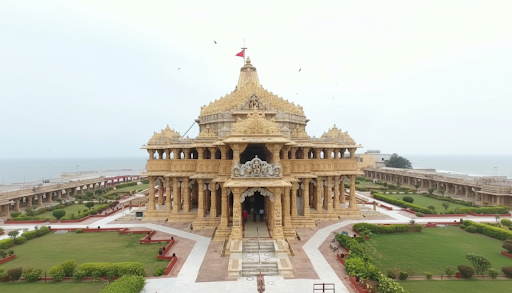
Shri Somnath Mahadev Divine Chadawa & Pujan
Special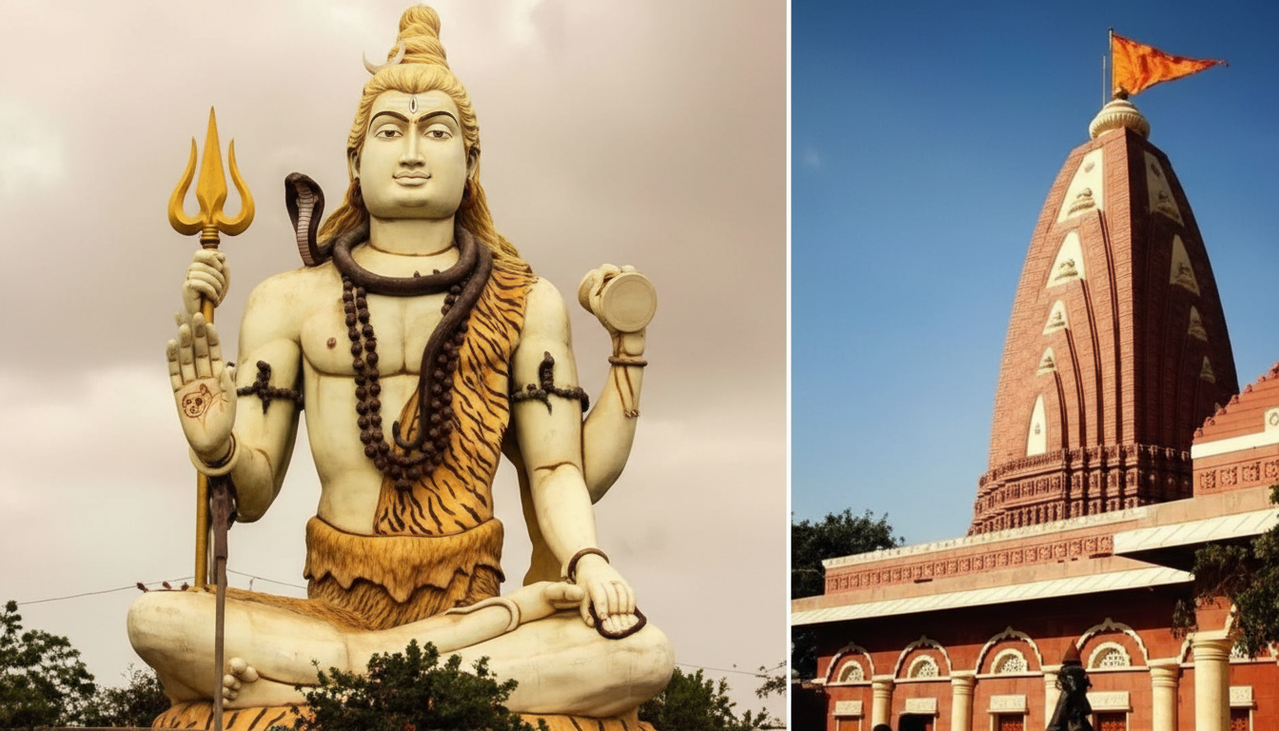
Sri Nageshwar Jyotirlinga Chadawa & Raksha Arpan
Special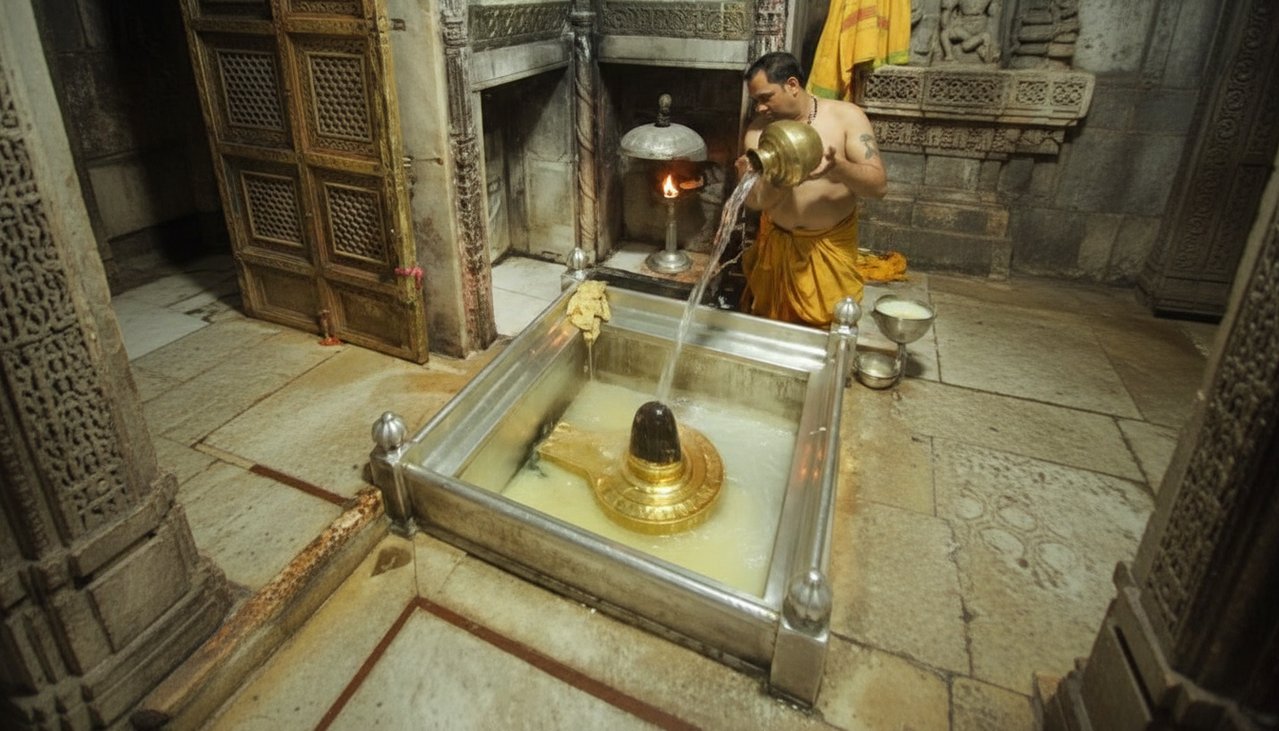
Kashi Vishwanath Mahadev Chadawa & Jalabhishek
Special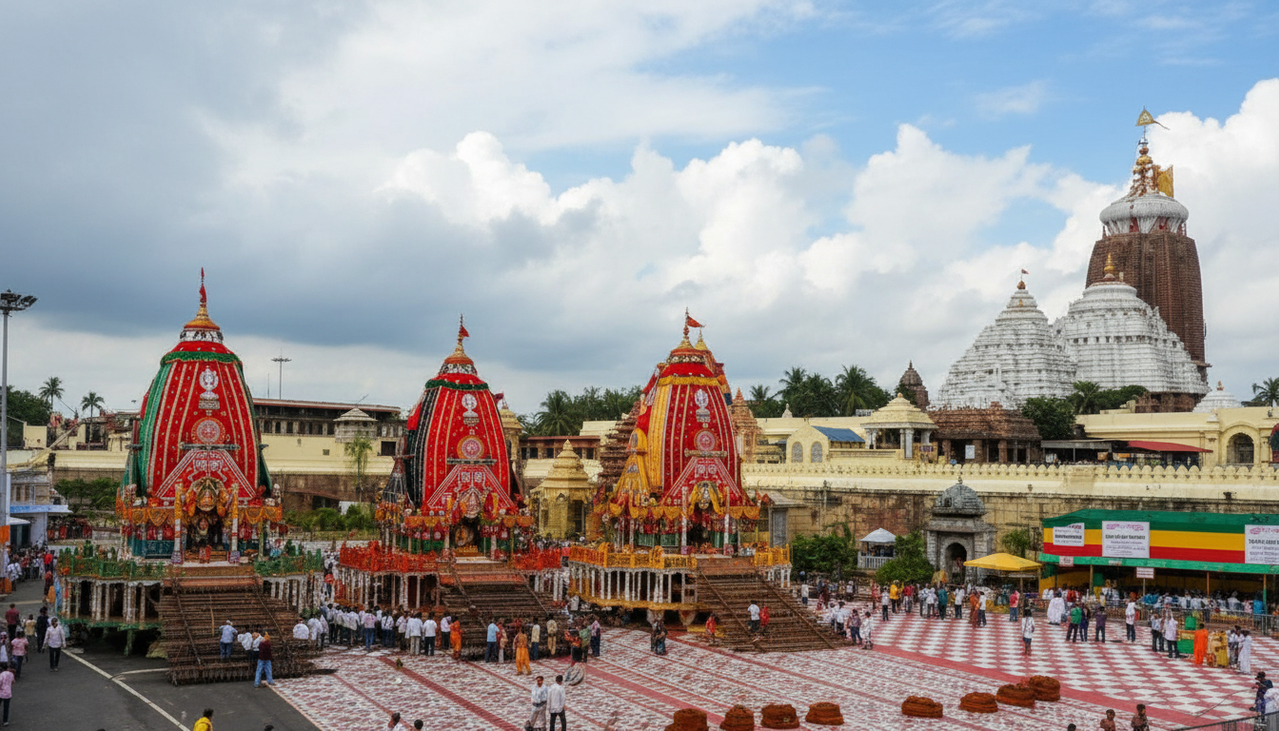
Sri Jagannath Mahaprabhu Chadawa & Mahaprasad Seva
Special.png)
Sri Rangji Divine Chadawa & Sharanagati Offering
Special.png)
Sri Chhote Radha Raman (Shahji) Divine Chadawa
Shahji Temple Vrindavan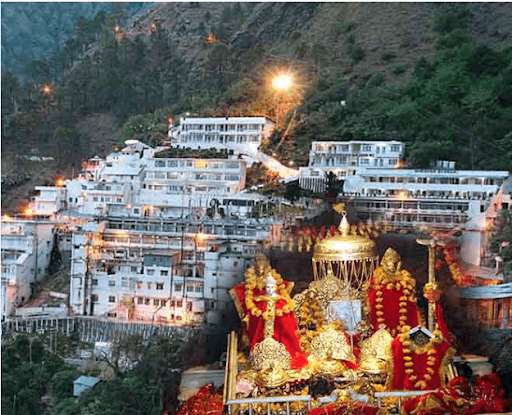
Triple Devi Blessings
NAVRATRI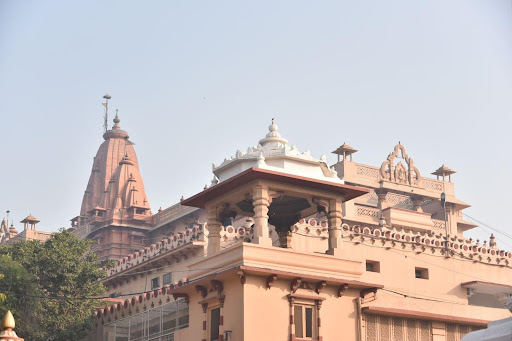
shree Krishna Janmabhoomi Chadawa & Makhan-Bhog Offering
SPECIAL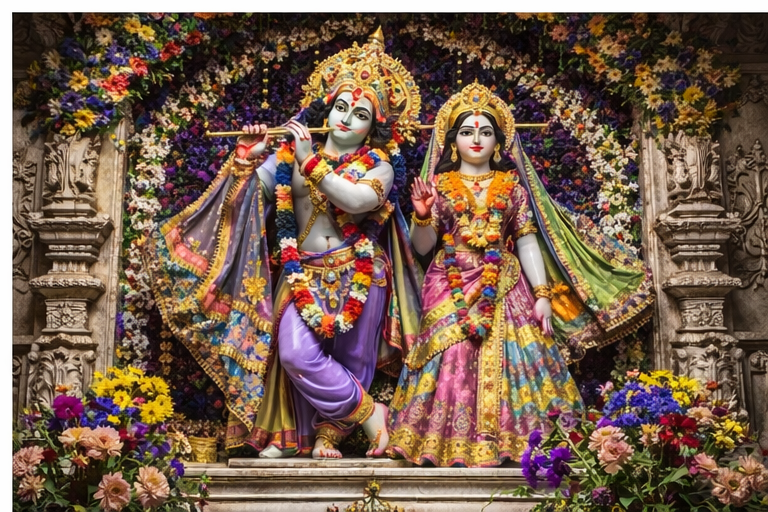
Sri Radha Krishna Prem Chadawa & Shringar Seva
SPECIAL
Sri Penusila Lakshmi Narasimha Swamy Kalyanotsavam & Abhisheka Seva
Penchalakona Temple Seva | Narasimha Swamy Kalyanotsavam
Maa Tripureshwari Shringar & Maha Bhog Seva
Special
Maa Kalka Shringar & Bhog Seva (Inclusive of Priority Darshan)
Special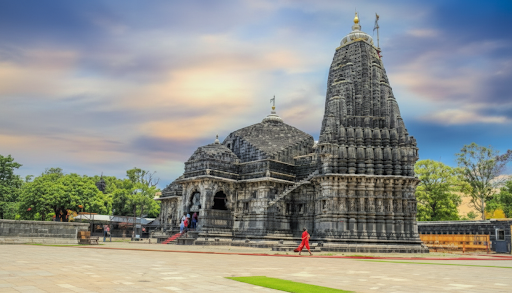
Shri Trimbakeshwar Mahakalyan Chadhawa & Abhishek Seva
Special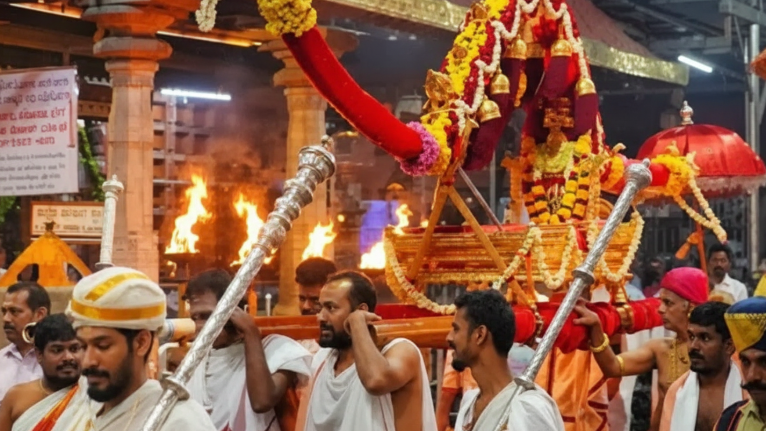
Shree Manjunatha Swamy Rudrabhisheka & Annadana Seva
Special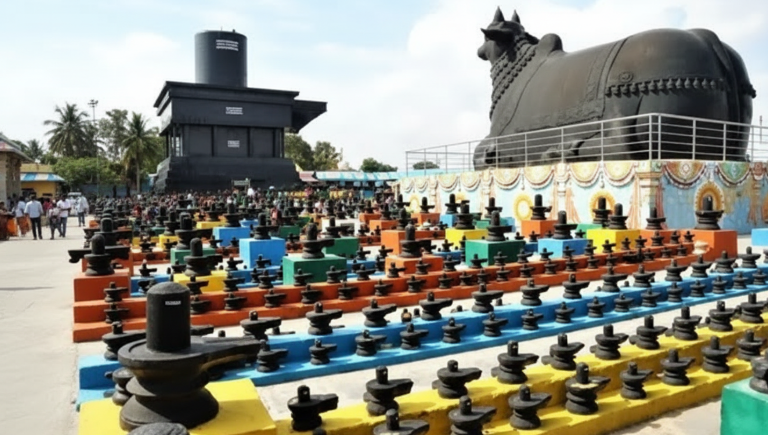
Sri Koteswara Siddeshwara Swamy Abhishek & Shivalinga Pratista Seva
Special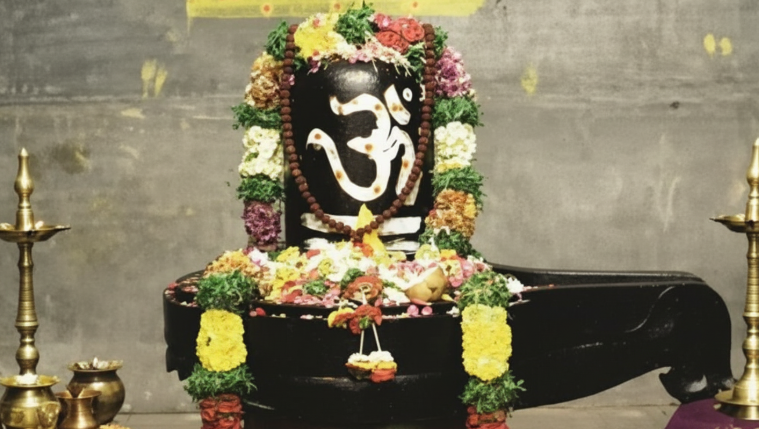
Sri Punyalingeswara Swamy Dwadasha Jyothirlinga Archana & Annadhanam Seva
Special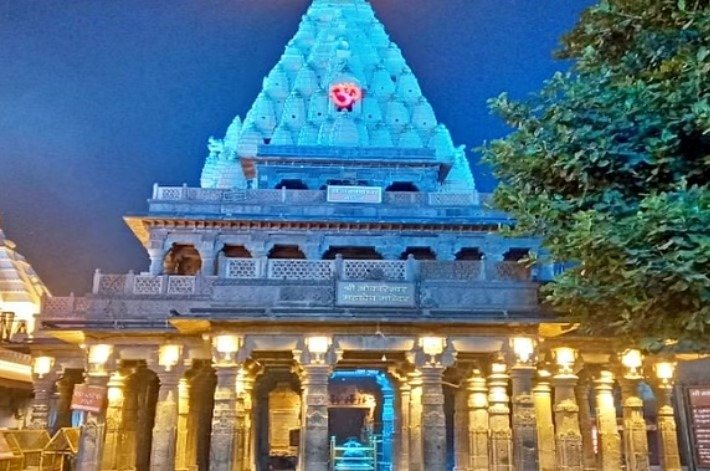
Kundali Grah Shanti
6 TEMPLES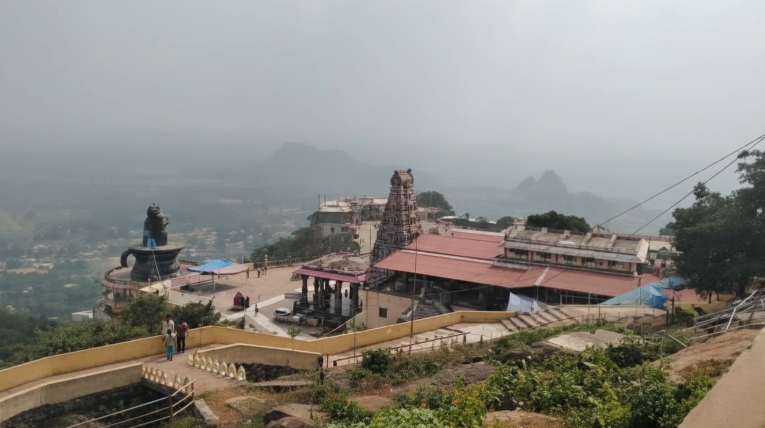
Moolavirat Abhishekam & Nitya Archana Seva
Special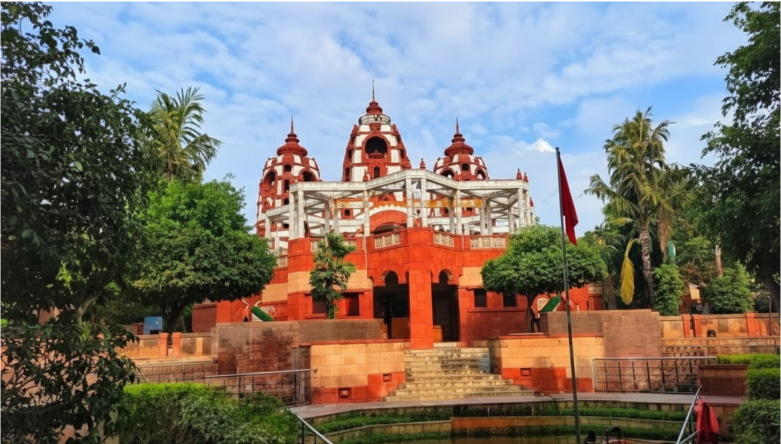
Maa Jhandewali Aadi Shakti Shringar & Bhog Seva
Special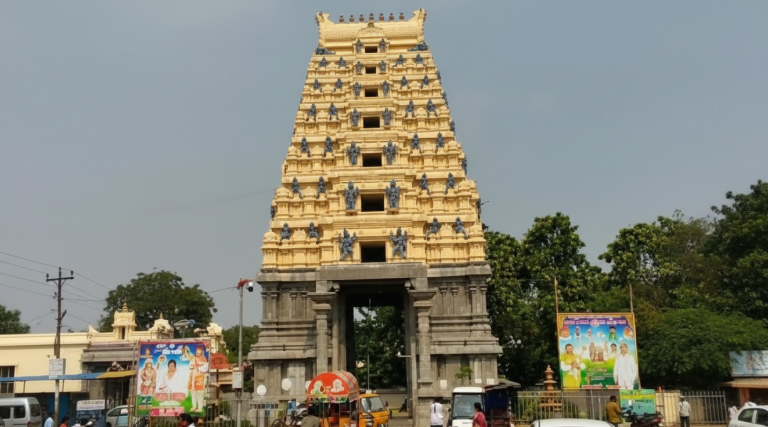
Sri Amaralingeswara Swamy Maha Rudrabhishekam & VIP Darshan Seva
Special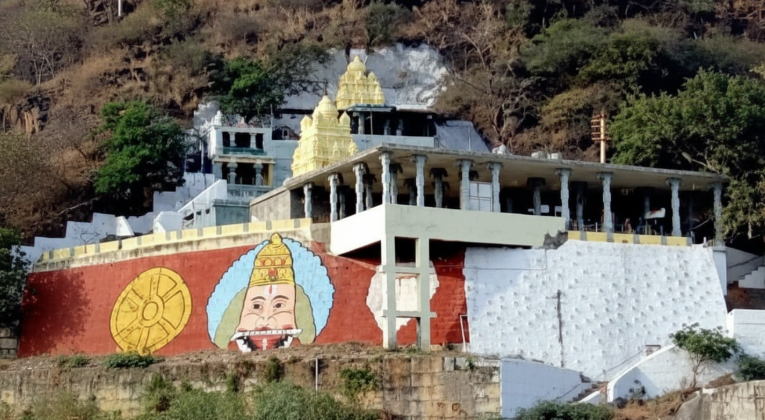
Nitya Panakala Nivedana & Shanti Archana
Special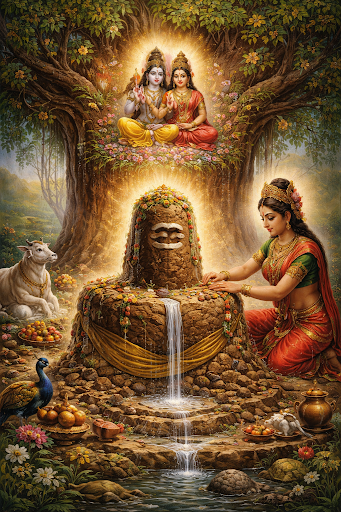
Prithvi Lingam Abhishekam & Annadhanam Seva
Special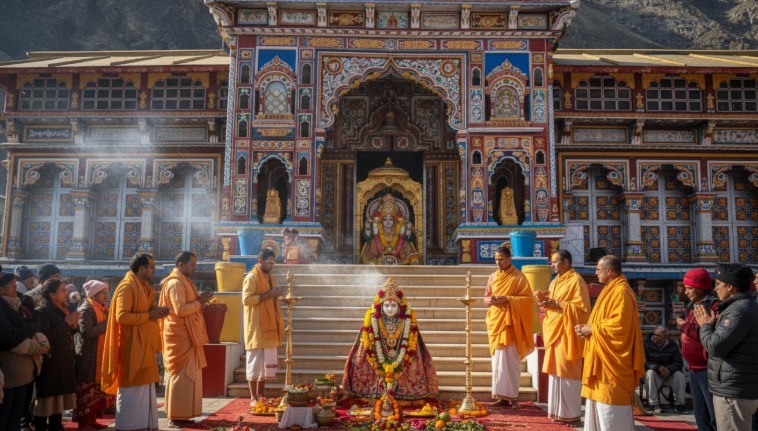
Badrinath Maha Abhishek & Shringar Seva (Royal Morning Offering).
Special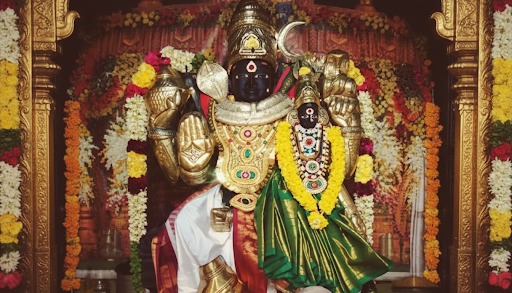
Maha Swarnakarshana Bhairavar Homam & Dhanakarshana Puja
Special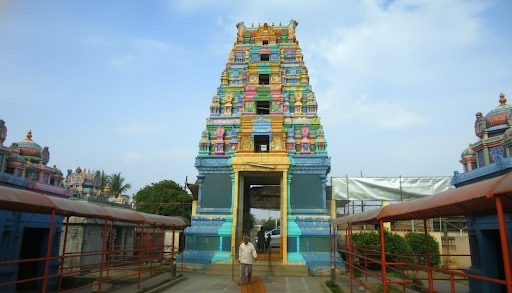
Jogulamba Devi Abhishekam & Kumkuma Archana Seva
Special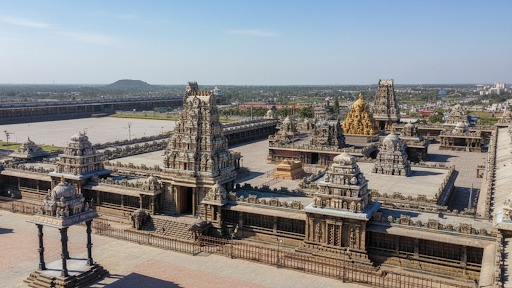
Yadadri Nitya Kainkaryam & Archana Seva
Special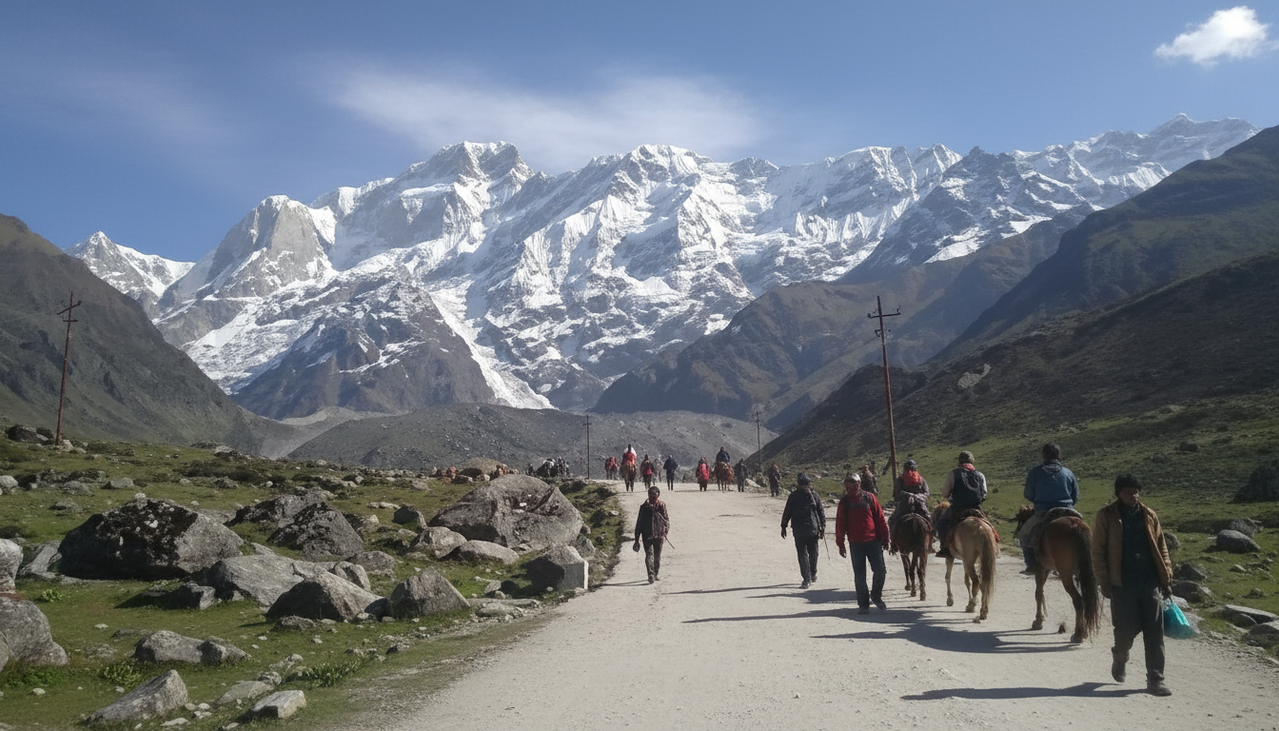
Maa Ganga Divya Abhishekam & Samarpana Seva
Special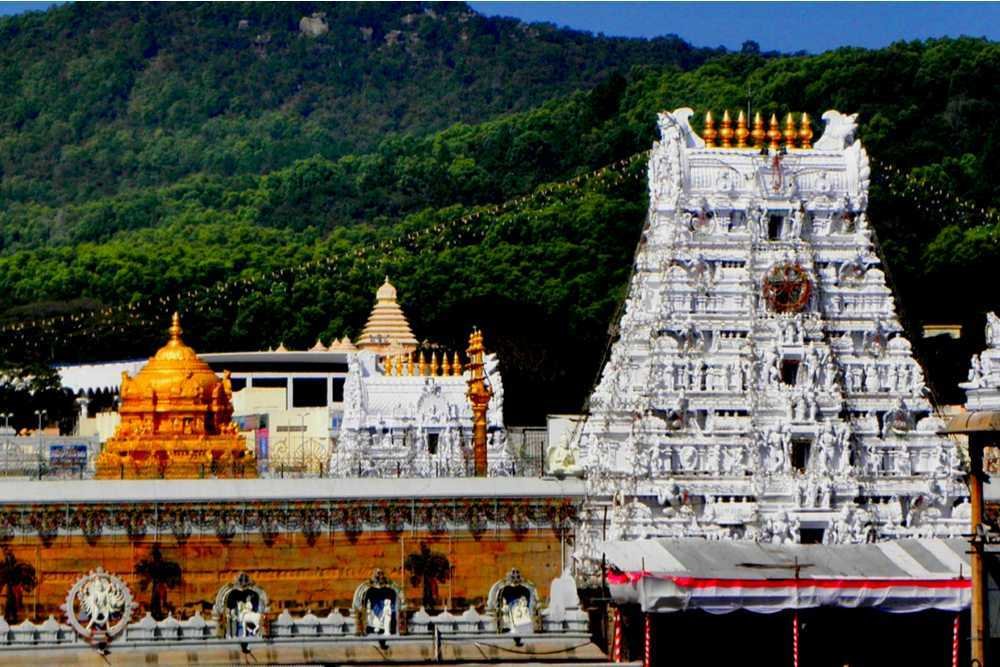
Khatu Shyam Aaradhana
PROTECTION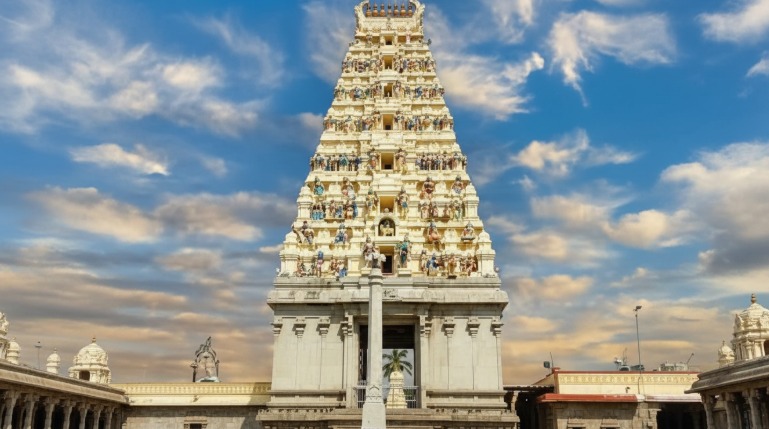
Sri Male Mahadeshwara Rudrabhisheka & Kamsaale Kanike Seva
Special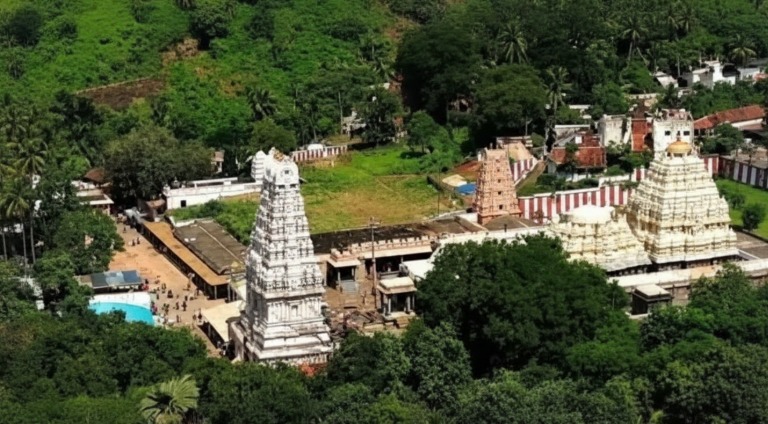
Sri Varaha Lakshmi Narasimha Swamy Nitya Kalyanam & Nijaroopa Darshan Seva
Special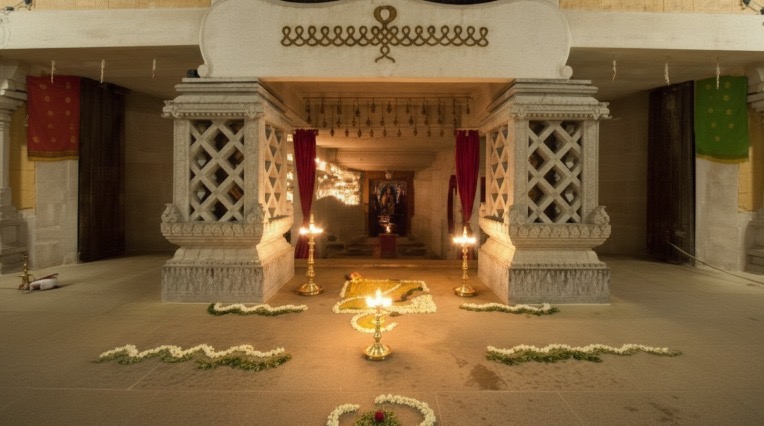
Devi Prasadam (Linga Bhairavi Sacred Offering)
Special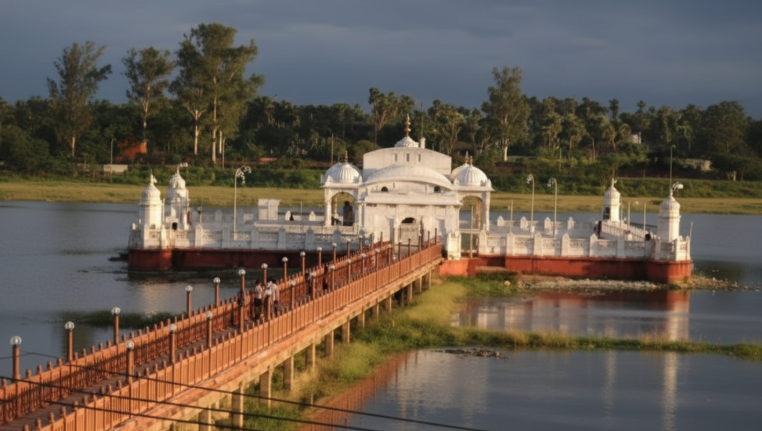
Book Akshat Chadhava at Jal Mandir, Pawapuri
al Mandir, Pawapuri Temple Darshan,Mahavir Swami Puja at Jal Mandir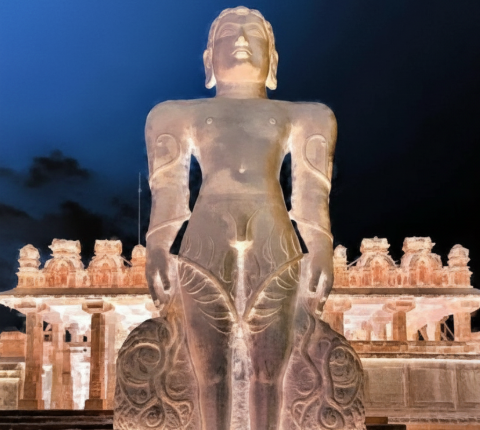
Book Akshat Chadhava at Gomateshwara Temple
Gomateshwara Temple Darshan,Gomateshwara Temple Abhisheka Seva (if available),,Gomateshwara Temple Puja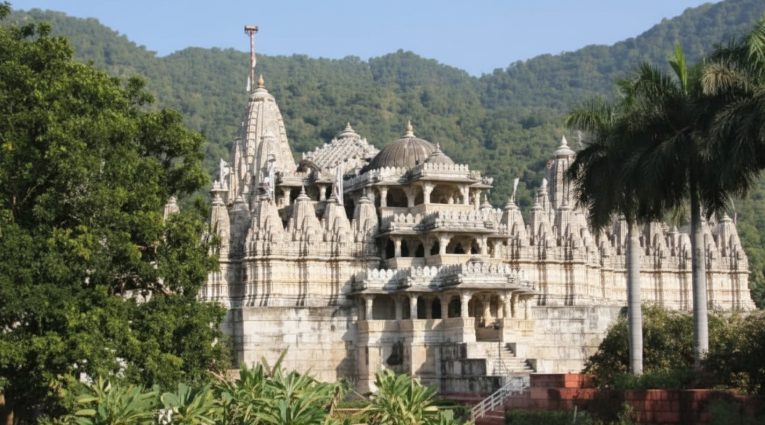
Book Akshat Chadhava at Ranakpur Jain Temple
Ranakpur Jain Temple Chadhava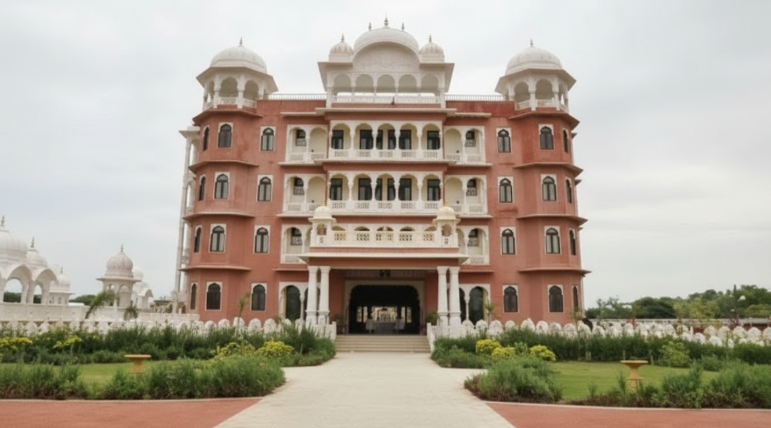
Book Akshat Chadhava at Soniji Ki Nasiyan Temple
Soniji Ki Nasiyan Temple Darshan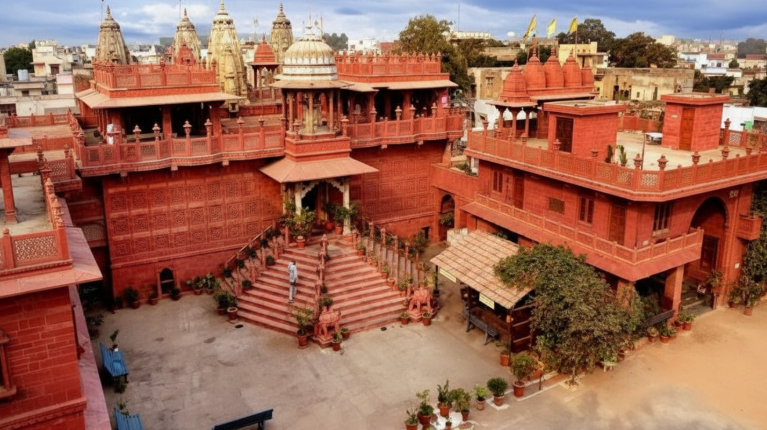
Book Akshat Chadhava at Sanghiji Temple
Sanghiji Temple Darshan,Sanghiji Temple Puja Booking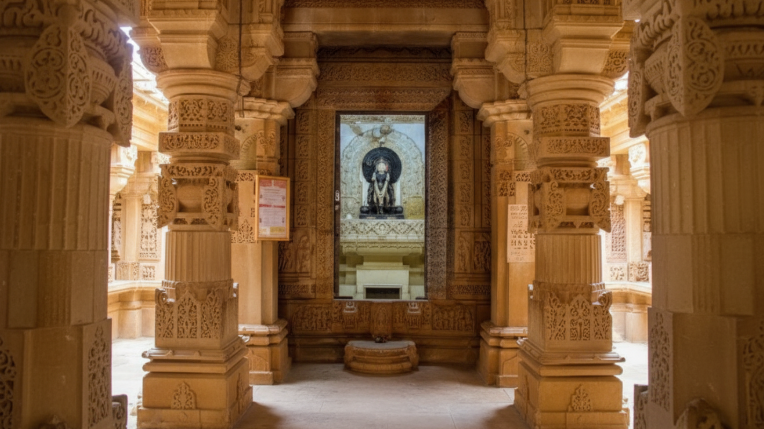
Book Akshat Chadhava at Lodhruva Jain Temple
Lodhruva Jain Temple Darshan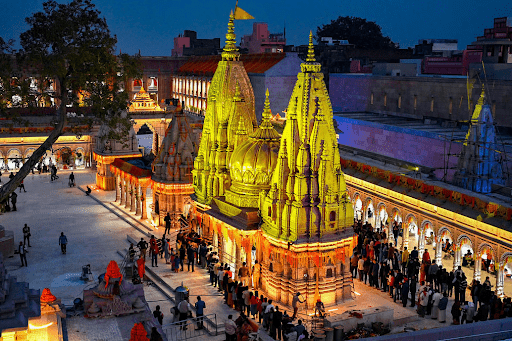
Shiv Mantra Jaap
NAVGRAH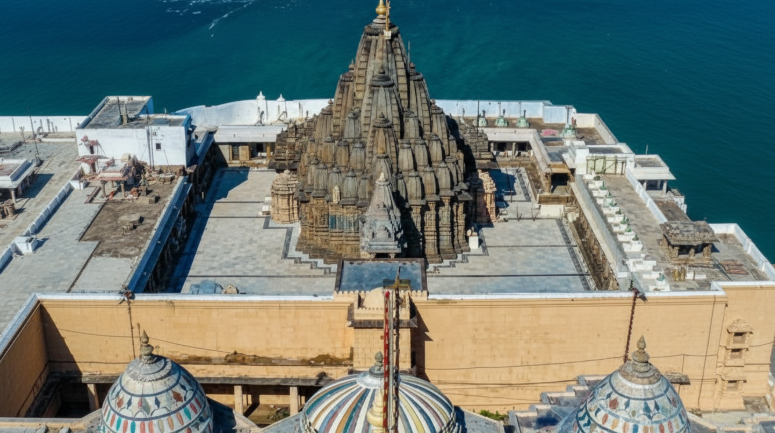
Book Akshat Chadhava at Girnar Jain Temple
Hatheesing Jain Temple Darshan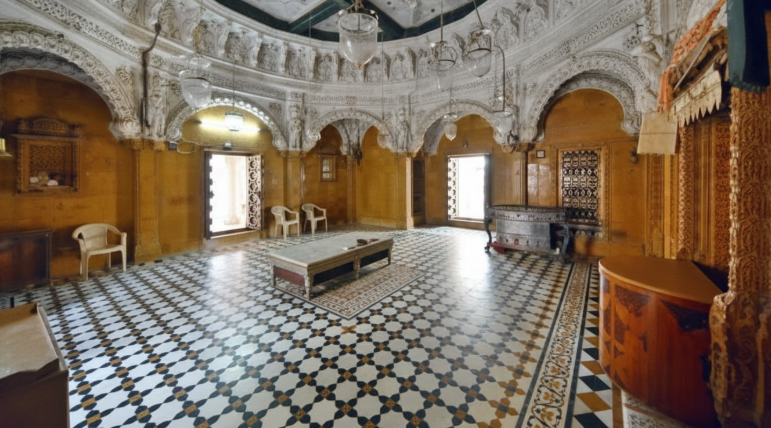
Akshat Chadhava at Hatheesing Jain Temple
Hatheesing Jain Temple Darshan,Hatheesing Jain Temple Puja
Maghi Purnima Snan
MOKSHA
Maha Shivratri Seva
SHIVRATRI
Jyotirlinga Chadhava
2 TEMPLES