
About Guruvayur Temple, Guruvayur, Kerala
Guruvayur Temple is dedicated to Lord Guruvayurappan, a form of Lord Vishnu worshipped as Krishna. The temple is one of Kerala’s major Vaishnava pilgrimage centres and is often called Bhuloka Vaikuntham in devotional tradition.
The shrine is known for its Kerala temple architecture, the daily worship of Guruvayurappan, Thulabharam, Krishnanattam, Guruvayur Utsavam and Guruvayur Ekadasi. Its history also includes the work of important devotional figures such as Melpathur Narayana Bhattathiri and Poonthanam, the Guruvayur Satyagraha and the rebuilding that followed the 1970 fire.
Story of Guruvayur Temple
The history of Guruvayur is older than the present temple structure. Medieval literary references identify the place as Kuruvayur, and by the late medieval period the shrine had become an established centre of pilgrimage. The tradition that Guruvayur is 5,000 years old remains important in religious belief, but that antiquity cannot be established as the age of the surviving temple through historical evidence.
The central shrine is associated with a reconstruction in 1638. Guruvayur later faced repeated disruptions, including a Dutch attack in 1716 and the rebuilding of parts of the temple complex. During the threat from Tipu Sultan in the late 18th century, the principal idol was moved for protection to Ambalappuzha and was brought back to Guruvayur in 1792.
The presiding deity, Guruvayurappan, is worshipped as a four-armed standing form of Vishnu holding the conch, discus, mace and lotus. Devotees also approach the deity as Krishna, particularly in the affectionate form of the child Krishna. According to temple tradition, the sacred image was brought to the site by Brihaspati and Vayu, giving the place the name associated with Guru and Vayu.
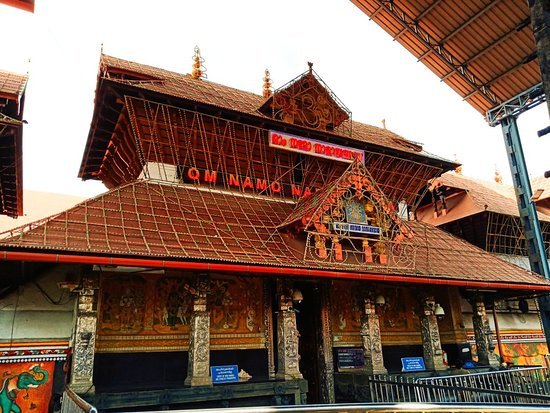
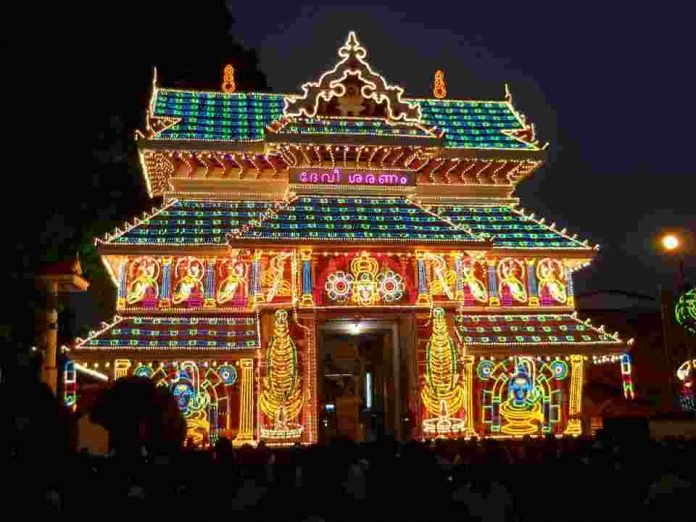
The temple follows the traditional Kerala architectural style. The east-facing complex is centred on the Sreekovil and Nalambalam, with the Balikkal, Deepastambam and golden flagstaff forming prominent features of the approach. The walls of the sanctum are known for their older murals, while the eastern and western gopurams mark the main gateways. After the fire of 1970, the temple was restored while retaining its traditional architectural character.
What Makes Guruvayur Temple Sacred for Devotees
The origin of Guruvayurappan
According to Guruvayur tradition, the deity was originally worshipped in the divine realm and later came into the care of Uddhava. The image was eventually entrusted to Brihaspati, the preceptor of the gods, and Vayu, who carried it to Kerala in search of a suitable place for worship.
The tradition says that Shiva and Parvati indicated the present site, where the deity was installed. The name Guruvayur is traditionally explained through the association of Guru and Vayu with the installation of the image.
Bhuloka Vaikuntham
Guruvayur is often called Bhuloka Vaikuntham, meaning the earthly abode of Vishnu, in devotional usage. Kerala pilgrimage traditions also refer to the temple as the Dwaraka of the South, reflecting its close association with Krishna worship.
These are religious and devotional descriptions rather than archaeological classifications. They reflect the place Guruvayur holds within Vaishnava worship.
Mammiyur and the Shiva connection
Mammiyur Mahadeva Temple, located close to Guruvayur, has an important place in the traditional sacred geography of the town. Local religious tradition connects Shiva’s presence at Mammiyur with the arrival and installation of Guruvayurappan, maintaining the traditional relationship between Vishnu and Shiva.
Melpathur and Narayaneeyam
Guruvayur is closely associated with Melpathur Narayana Bhattathiri, who composed the Narayaneeyam, a Sanskrit devotional work based on the Bhagavata Purana. The work is one of the best-known literary expressions of devotion to Guruvayurappan.
The temple is also connected with Poonthanam, whose Malayalam devotional poetry, especially Jnanappana, became an important part of Kerala’s Krishna-bhakti tradition.
The devotional character of Guruvayur
Guruvayur’s religious identity is shaped not only by the main image of Krishna but also by the daily temple rituals, devotional offerings, musical traditions and the many observances connected with the temple calendar. This continuity is a central part of why the shrine remains an important centre of Kerala Vaishnavism.
Annual Festivals & Rituals at Guruvayur Temple, Guruvayur, Kerala
Daily Worship and Seeveli Celebrations at the Temple
The temple follows a structured daily cycle of worship beginning in the early morning and continuing through pooja, offerings and processional rituals such as Seeveli. Public darshan is organised around these temple rituals, so access can pause or change during important Nitis and offerings.
Thulabharam Celebrations at the Temple
Thulabharam is one of Guruvayur’s best-known offerings. In this ritual, a devotee is weighed against an offering such as bananas, sugar, jaggery or coconuts, and the corresponding offering is presented to the deity.
Krishnanattam Celebrations at the Temple
Krishnanattam is the temple’s traditional dance-drama based on the life of Krishna. It was developed from the Krishnageethi of Manaveda and remains closely associated with Guruvayur’s devotional and artistic traditions.
Guruvayur Utsavam and Aanayottam Celebrations at the Temple
The annual Guruvayur Utsavam is a ten-day festival held in the Malayalam month of Kumbham, generally during February or March. The festival begins with the ceremonial flag hoisting and Aanayottam, the traditional elephant race, followed by processions, special rituals and the concluding Aarattu.
Guruvayur Ekadasi Celebrations at the Temple
Guruvayur Ekadasi, observed in the month of Vrischikam, is one of the temple’s major annual observances. The festival includes special worship, Udayasthamana Pooja, elephant processions and the Chembai music celebrations associated with the temple.
Ashtami Rohini Celebrations at the Temple
Ashtami Rohini marks the birth of Lord Krishna and is an important festival at Guruvayur. Special offerings and worship are conducted for Krishna on this day.
Vishu and other observances Celebrations at the Temple
Vishu, Vaishakham and other seasonal observances are also part of the annual calendar. Kuchela Dinam and Narayaneeyam Day are associated with the temple’s wider devotional tradition and its connection with Krishna-bhakti literature.
Chembai Sangeetholsavam Celebrations at the Temple
Chembai Sangeetholsavam is an annual Carnatic music festival held in honour of Chembai Vaidyanatha Bhagavatar. The festival became a Guruvayur Devaswom event after Chembai’s death and is now closely associated with the period of Guruvayur Ekadasi.
Sacred Places to Visit Near Guruvayur Temple
Mammiyur Mahadeva Temple : Mammiyur Mahadeva Temple is the principal Shiva shrine associated with Guruvayur’s sacred geography. It is located close to Guruvayur Temple and is traditionally linked with the origin story of Guruvayurappan.
Parthasarathy Temple : Parthasarathy Temple in Guruvayur is dedicated to Krishna as Parthasarathy, the charioteer of Arjuna. It also has a close connection with the observances of Guruvayur Ekadasi.
Punnathur Kotta : Punnathur Kotta, also known as the Guruvayur elephant compound, is associated with the temple’s elephant tradition. The site developed from the former palace of Punnathur Raja and is now closely connected with the management and care of Guruvayur Devaswom elephants.
Thiru Venkatachalapathy Temple : Thiru Venkatachalapathy Temple is another Vishnu shrine in the Guruvayur area and can be included in a wider Vaishnava pilgrimage around the town.
Chowalloor Shiva Temple : Chowalloor Shiva Temple is an old Shiva shrine in the Guruvayur region. It is another important temple for devotees visiting the wider sacred landscape around Guruvayur.
Plan Guruvayur Temple Darshan
For current darshan planning, queue information, entry guidance and Naman Darshan’s Guided Darshan Assistance, continue to the dedicated Guruvayur Temple Darshan page.
Common Questions About Visiting Guruvayur Temple
Visitor Information
Entry Fee
No separate general admission ticket – Paid sevas and offerings are separate arrangements. Entry is restricted to Hindus under current guidance – Verify current rules before travel.
Darshan Timing
Address
Guruvayur Devaswom, Guruvayur, Thrissur, Kerala 680101, India
Notable Events
Medieval period — Kuruvayur in textual references – Medieval literary references identify the place as Kuruvayur, providing an early historical record of the shrine and settlement. • 1638 — Central shrine reconstructed – The central shrine is traditionally associated with a major reconstruction in 1638, an important landmark in the surviving temple complex. • 1716 — Dutch attack – The temple suffered damage during the Dutch attack, after which sections of the complex, including the western gopura, were rebuilt. • 1789–1792 — Idol moved during Tipu Sultan’s campaign – During the threat from Tipu Sultan, the principal idol was moved to Ambalappuzha for protection and was returned to Guruvayur in 1792. • 1931–1932 — Guruvayur Satyagraha – The Guruvayur Satyagraha became an important episode in Kerala’s movement against untouchability and for wider access to Hindu temples. • 1947 — Temple entry opens to all Hindus – Following Kerala’s wider temple-entry reforms, Guruvayur became open to all Hindus rather than remaining restricted by the earlier social-entry system. • 1970 — Major temple fire – A major fire damaged parts of the temple complex in 1970. Subsequent restoration work preserved the traditional architectural character of the shrine. • 1978 — Guruvayur Devaswom Act – The Guruvayur Devaswom Act, 1978 established the statutory framework for the administration and management of the Devaswom.
How to Reach the Temple
By air: Cochin International Airport is the nearest major airport, approximately 80–90 kilometres from Guruvayur depending on the route.
By rail: Guruvayur Railway Station is the nearest station. Thrissur Railway Station is the larger rail gateway for visitors arriving from major cities and is about 29 kilometres from Guruvayur.
By road: Guruvayur is well connected by road with Thrissur, Kochi and other parts of Kerala. State-run and private buses, taxis and other local transport operate to the temple town.
Within Guruvayur: The temple is located in the centre of the town, and local autos and taxis serve the surrounding area. During major festivals and peak pilgrimage days, traffic restrictions can affect vehicle movement near the temple.
Palani, Tamil Nadu