
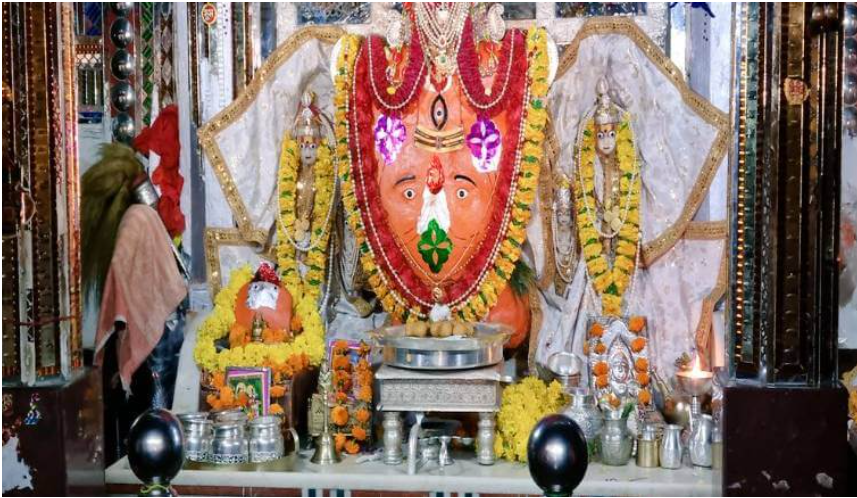
Trinetra Ganesh Temple ,Ranthambore, Rajasthan
Located within the historic Ranthambore Fort, the Trinetra Ganesh Temple is one of the most revered Ganesha shrines in Rajasthan. The temple is known for its rare depiction of Lord Ganesha with three eyes and for portraying him with his entire family. Set against the terrain of the Aravalli hills, the temple offers a powerful blend of devotion, history, and natural beauty amongst wildlife.
Namaste 🙏 नमस्ते
Secure your visit • अपनी यात्रा सुरक्षित करें
Historical background and Architectural splendor
The origins of the Trinetra Ganesh Temple trace back to the medieval period, believed to be around the 13th or 14th century. Local legends connect the temple’s foundation to King Hammir Dev Chauhan, the ruler of Ranthambore at the time. Built from local red stone, the temple showcases traditional Rajasthani simplicity and gains added spiritual charm from its setting within the ancient fort, surrounded by historic walls and scenic pathways. It is said that during a severe crisis, when the fort was facing shortages and distress, the king received a divine vision of Lord Ganesha. It is believed that soon after, essential supplies reached the fort, and the temple was built as an act of gratitude. Since then, the shrine has stood as a symbol of faith, protection, and divine guidance.
Religious Significance
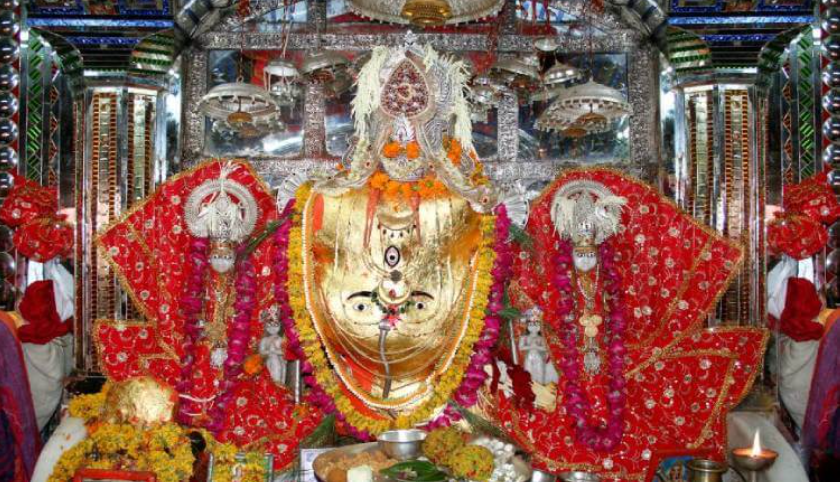
The temple holds a special place among devotees due to the unique form of Lord Ganesha worshipped here. Lord Ganesha is depicted with “Three eyes” also known as “Trinetra” in Sanskrit , representing supreme wisdom and spiritual awareness. Another distinctive feature is the presence of Ganesha’s full family making this temple a powerful symbol of prosperity, family harmony, and fulfilment of wishes.
Festival and Celebrations
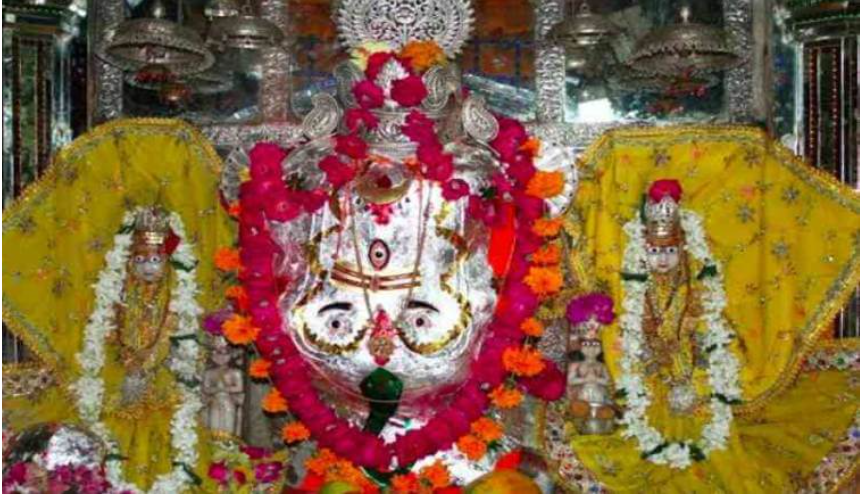
Ganesh Chaturthi is the most prominent festival celebrated here, attracting large numbers of devotees. During this time of the month thousands of devotees from Rajasthan and nearby states visit the temple to seek the blessings of Lord Ganesha.
Surroundings area & attractions
- Ranthambhore Fort – A historic Fort reminding of Rajasthan’s royal history while offering sweeping views of the surrounding landscape.
- Ranthambore National Park –The National Park is known for its rich biodiversity and as a prime destination for spotting Bengal tigers in their natural habitat.
FAQ
Built in 1299 AD by King Hammir Dev Chauhan during a battle with Ala-ud-din Khilji, the temple commemorates a divine vision of Lord Ganesha that assured victory and protection, leading to the temple’s establishment.
It is situated inside Ranthambore Fort, which is part of Ranthambore National Park, near Sawai Madhopur town, Rajasthan.
User listings indicate the temple opens around 6:30 AM (timings may vary by season and special days)
- By Train: Nearest station is Sawai Madhopur Railway Station, ~12 km away; local transport to Ranthambore Fort.
- By Road: Good road links from Jaipur (~180 km), Kota (~125 km), etc.; taxis or buses to the fort
By Air: Nearest major airport is Jaipur International Airport (~180 km).
Yes — there are multiple aartis throughout the day: Prabhat Aarti (sunrise), Sringar Aarti (~9 AM), Bhog (~noon), Sandhya Aarti (evening), and Shayan Aarti (night), making for a spiritually rich visit.
Devotees often send wedding invitations or letters to the temple, and it’s believed that doing so brings blessings — especially for new beginnings.
Because the temple route passes through forest areas of Ranthambore National Park, it has been temporarily closed at times due to tiger movements, safety concerns, or wildlife activity.
Road access has reopened with strict guidelines — e.g., pedestrian and two-wheeler entry may be restricted, and visitors might need to use authorized four-wheeler vehicles from parking areas to ensure safety
Yes — large “Lakkhi Mela” (festival fair) and special gatherings are held during major occasions like Ganesh Chaturthi, drawing a large number of devotees and involving community offerings and stalls.
Early mornings and festival days like Ganesh Chaturthi are particularly lively. Weekdays outside peak safari hours in Ranthambore can be quieter for darshan. (Visitor trend insight.)
Visitor information
Entry Fee: No fee
Timings :
- 6:00 AM to 10:00 PM
Darshan Days- All days
Address:
Notable Events and Incidents
- Establishment of Trinetra Ganesh Temple – 1299 CE The Trinetra Ganesh Temple is believed to have been established in 1299 CE by King Hammir Dev Chauhan, the ruler of Ranthambore. According to legend, Lord Ganesha appeared to the king in a dream with three eyes (Trinetra) and instructed him to build a temple within the fort. This divine vision led to the consecration of one of India’s most unique Ganesh temples.
- First-Ever Trinetra Ganesh Idol Worship – 13th Century This temple is renowned for housing the first known idol of Lord Ganesha depicted with three eyes, symbolizing divine wisdom, foresight, and protection. The unique form of Ganapati continues to draw devotees seeking clarity, strength, and removal of obstacles.
- Temple Survives Battles & Fort Sieges – Medieval Period Despite several invasions and battles faced by Ranthambore Fort, the Trinetra Ganesh Temple remained untouched and continuously worshipped. This survival strengthened the belief that Lord Ganesha himself protects the shrine and its devotees.
Connectivity :
- By Road: Sawai Madhopur town is approximately 12–13 km away. Taxis and private vehicles are available up to the fort area. From the fort entrance, devotees will have to walk along the fort path and climb steps to reach the temple.
- By Train: Sawai Madhopur Junction is the nearest railway station and is well connected to Jaipur, Delhi, and other major cities.
- By Air: Jaipur International Airport, around 160 km away from Sawai Madhopur, is the closest airport.