
About Parasnath Digambar Jain Temple, Kolkata, West Bengal
Parasnath Digambar Jain Temple, also known as Shree Parshvanatha Digambar Jain Upavan Mandir, is a Jain temple in Belgachia, Kolkata. Built in 1914, it belongs to the Digambara tradition and is dedicated to Bhagwan Parshvanatha, the 23rd Tirthankara of Jainism.
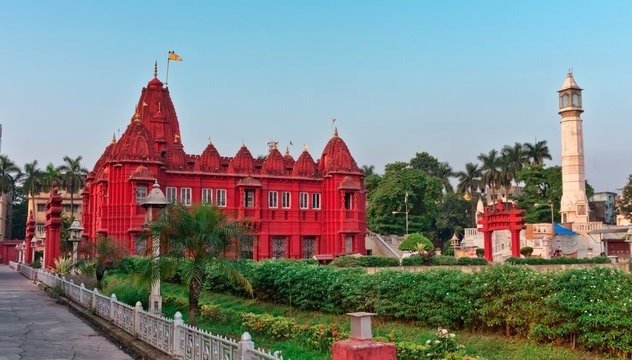
The temple is known for its red exterior, Nagara-style architecture, landscaped gardens, adjoining tank and white-marble Manastambha. Jain inscriptions on the premises also reflect the temple's connection with ahimsa and other principles of Jain religious life.
Story of Parasnath Digambar Jain Temple
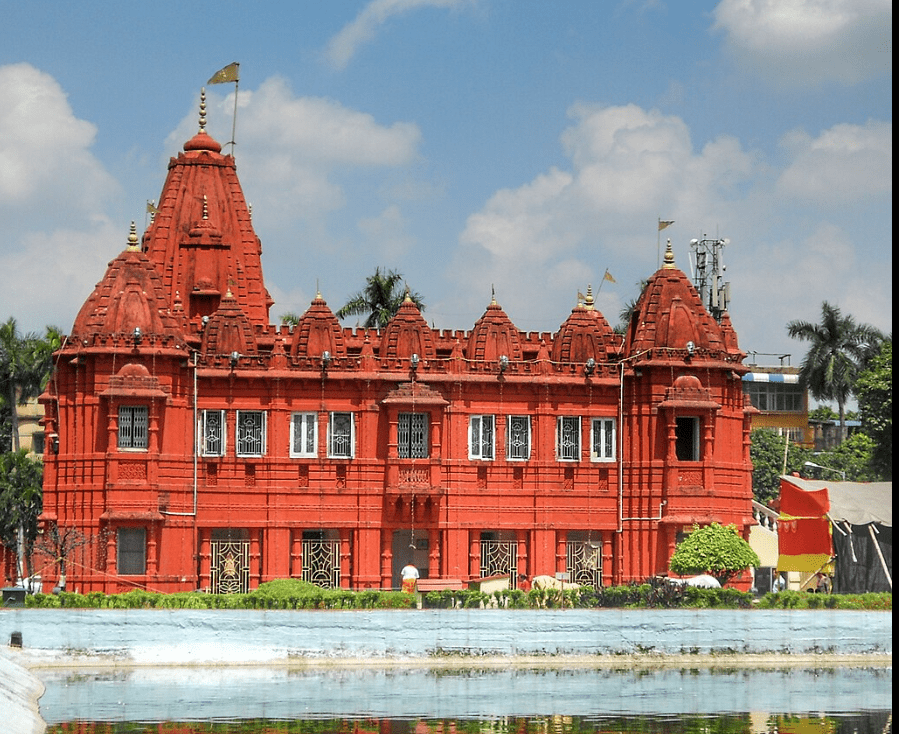
The present Parasnath Digambar Jain Temple in Belgachia dates to 1914. It was established as a place of worship for the Digambara Jain community of Kolkata and continues to function as a Jain temple. The temple precinct is recorded as the Shree Parshvanatha Digambar Jain Upavan Mandir, with the temple trust associated with its management.
The temple stands in the old Belgachia area of north Kolkata, where the shrine developed as part of the city's Jain religious landscape. Heritage records identify the property as a religious precinct and note its continued use as a Jain temple. The site is also included in Kolkata's heritage documentation, reflecting its architectural and historical importance.
The building follows a Nagara-style form. Ornamental pillars and sculptural details draw on the visual language of older Jain temples and cave architecture. The red temple is set within a large landscaped परिसर with gardens, trees and an adjoining tank, giving the complex a character that is different from the denser streetscape around it.
The precinct also includes an 81-foot white-marble Manastambha, or Jain pillar. In Jain temple tradition, the Manastambha is associated with humility and the setting aside of pride before entering the sacred space. Inscriptions referring to non-violence and Jain ethical teachings further connect the physical surroundings with the religious principles represented by the temple.
Parshvanatha and the Digambara Jain Tradition
The principal deity is Bhagwan Parshvanatha, the 23rd Tirthankara of Jainism. Jain tradition places his birth at Varanasi and associates his final liberation with Sammed Shikhar. His emblem is the serpent, and images of Parshvanatha commonly show a serpent hood above his head.
Parshvanatha is especially important in the early history of Jain tradition. Historical scholarship generally treats him as one of the earliest Jain teachers for whom there is a substantial historical basis, although traditional accounts of his life also contain later religious and hagiographic elements.
The Belgachia temple's identity is rooted in the Digambara tradition of Jainism. Worship centres on the Tirthankara and on the Jain path of restraint, self-discipline and liberation. The temple therefore functions not simply as a shrine to a particular figure but as a place where the teachings associated with Jain dharma continue through worship and community practice.
What Makes Parasnath Digambar Jain Temple Sacred for Devotees
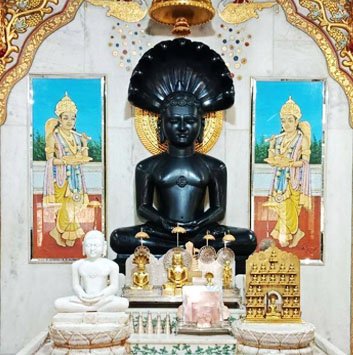
Parshvanatha as the 23rd Tirthankara
For Jain devotees, Parshvanatha represents the ideal of spiritual discipline and liberation. His image is identified by the serpent hood, while the Tirthankara himself is traditionally remembered for teachings associated with ethical restraint and non-violence.
Ahimsa and Jain Ethics
Ahimsa, or non-violence, is one of the central principles of Jain religious life. The temple walls contain inscriptions connected with non-violence and other Jain teachings, making the ethical dimension of the tradition visible within the temple precinct.
The Manastambha
The tall Manastambha in the temple grounds is a characteristic Jain architectural element. Its symbolic purpose is linked with humility: the devotee approaches the temple after leaving behind pride and worldly attachment.
The Temple and the Digambara Tradition
Digambara and Śvetāmbara are the two principal traditions of Jainism. The Belgachia shrine belongs to the Digambara tradition.
This distinction is important in Kolkata because another well-known Jain complex is often called the Pareshnath or Parshwanath Temple. That 1867 Śvetāmbara temple in Maniktala is a separate site, associated with Shitalanatha and the Badridas Temple Street complex. It should not be confused with the 1914 Digambara temple in Belgachia.
Rath Yatra of Parshvanatha
A longstanding temple tradition associates the Belgachia shrine with an annual Rath Yatra of Bhagwan Parshvanatha on Kartik Purnima. The procession is accompanied by devotees, devotional singing and religious tableaux before reaching the temple.
Annual Festivals & Rituals at Parasnath Digambar Jain Temple, Kolkata, West Bengal
Daily Jain Worship Celebrations at the Temple
Daily worship at a Jain temple centres on darshan, puja and reverence to the Tirthankara. The exact sequence and timing of services can vary according to the temple's routine and special religious occasions.
Mahavir Jayanti Celebrations at the Temple
Mahavir Jayanti commemorates the birth of Lord Mahavira, the 24th and last Tirthankara of the present Jain tradition. Jain temples observe the occasion through special worship, devotional gatherings and religious programmes.
Das Lakshana Parva Celebrations at the Temple
As a Digambara Jain temple, the Das Lakshana Parva is especially relevant. The ten-day observance focuses on the ten dharmas, including qualities such as forgiveness, humility, straightforwardness, purity and self-restraint.
Diwali Celebrations at the Temple
In Jain tradition, Diwali is associated with the nirvana of Lord Mahavira. Jain communities observe the festival through prayer, remembrance and religious practice rather than only as a secular festival of lights.
Akshaya Tritiya Celebrations at the Temple
Akshaya Tritiya has an important place in Jain tradition and is associated with the first successful alms received by Rishabhanatha, the first Tirthankara, after a prolonged period of fasting. Jain temples observe the day as a significant religious occasion.
Kartik Purnima Rath Yatra Celebrations at the Temple
Kartik Purnima is particularly significant at the Belgachia temple because of the annual Parshvanatha Rath Yatra. The procession forms one of the temple's most distinctive public religious traditions.
Sacred Places to Visit Near Parasnath Digambar Jain Temple
Calcutta Jain Temple, Maniktala : The Calcutta Jain Temple at Badridas Temple Street is a separate Śvetāmbara Jain complex dating to 1867. Its principal shrine is associated with Shitalanatha. It is useful to visit when exploring Kolkata's Jain heritage, but it should not be confused with the Digambara temple at Belgachia.
Kumartuli : Kumartuli is one of north Kolkata's best-known traditional craft neighbourhoods, particularly associated with the making of clay images for Bengali festivals. It provides a view of the city's historic artisan culture.
Dakshineswar Kali Temple : Dakshineswar Kali Temple is a major Hindu shrine on the Hooghly in north Kolkata. Established in the 19th century, it is closely associated with Sri Ramakrishna and is one of the city's important pilgrimage sites.
Belur Math : Belur Math, across the Hooghly in Howrah, is the headquarters of the Ramakrishna Math and Ramakrishna Mission. Its temple complex and riverside setting make it a major religious destination in the greater Kolkata region.
Jorasanko Thakur Bari : Jorasanko Thakur Bari is the ancestral home of the Tagore family and a major cultural landmark in Kolkata. The complex now houses a museum dedicated to Rabindranath Tagore and the history of the family.
Marble Palace : Marble Palace in north Kolkata is a 19th-century mansion known for its collection of art, sculpture and European decorative works. Visits are subject to the rules and access conditions in force at the property.
Plan Parasnath Digambar Jain Temple Darshan
For current darshan planning, entry guidance, date-specific timings and Naman Darshan's Guided Darshan Assistance, continue to the dedicated Parasnath Digambar Jain Temple Darshan page.
Common Questions About Visiting Parasnath Digambar Jain Temple
Visitor Information
Entry Fee
No standard admission ticket is generally listed – Special religious arrangements, if any, should be checked with the temple.
Darshan Timing
Address
Shree Parshvanatha Digambar Jain Upavan Mandir, 26, Belgachia Road, Khudiram Bose Sarani, Saktinagar, Belgachia, Kolkata, West Bengal 700037, India
Notable Events
1914 — Present temple established – The present Shree Digambar Jain Pareswanath Temple in Belgachia is documented to 1914, marking the period of the current temple structure and its establishment as an important Digambara Jain place of worship in Kolkata. • 1914 — Parshvanatha image installed – Jain temple directories associate the installation of the principal Parshvanatha image with 1914. • Heritage recognition – The temple precinct is included in Kolkata's heritage documentation as Shree Parshvanatha Digambar Jain Upavan Mandir, reflecting its architectural and historical significance. • Addition of the Manastambha – An 81-foot white-marble Manastambha stands within the temple precinct and has become one of its most recognisable architectural features. • Annual Kartik Purnima Rath Yatra – The Parshvanatha Rath Yatra held on Kartik Purnima remains one of the temple's distinctive annual public traditions.
How to Reach the Temple
By Metro: Belgachia Metro Station is the nearest metro station. The heritage inventory records the temple at roughly a five-minute walk from the station via Khudiram Bose Road.
By Rail: Howrah and Sealdah are the major railway stations serving Kolkata. From either station, continue toward Belgachia by Metro, taxi or local transport.
By Air: Netaji Subhas Chandra Bose International Airport is the main airport serving Kolkata. The temple can be reached from the airport by road.
By Road: The temple is located on Belgachia Road in the Khudiram Bose Sarani area. Road traffic and local restrictions can affect the final approach, particularly during major religious occasions.
Within Belgachia: The temple is located in a developed urban neighbourhood, with the final approach from the metro and nearby roads completed on foot.
Mayapur, Nadia, West Bengal