
Shree Shantadurga Temple Yatra, Goa
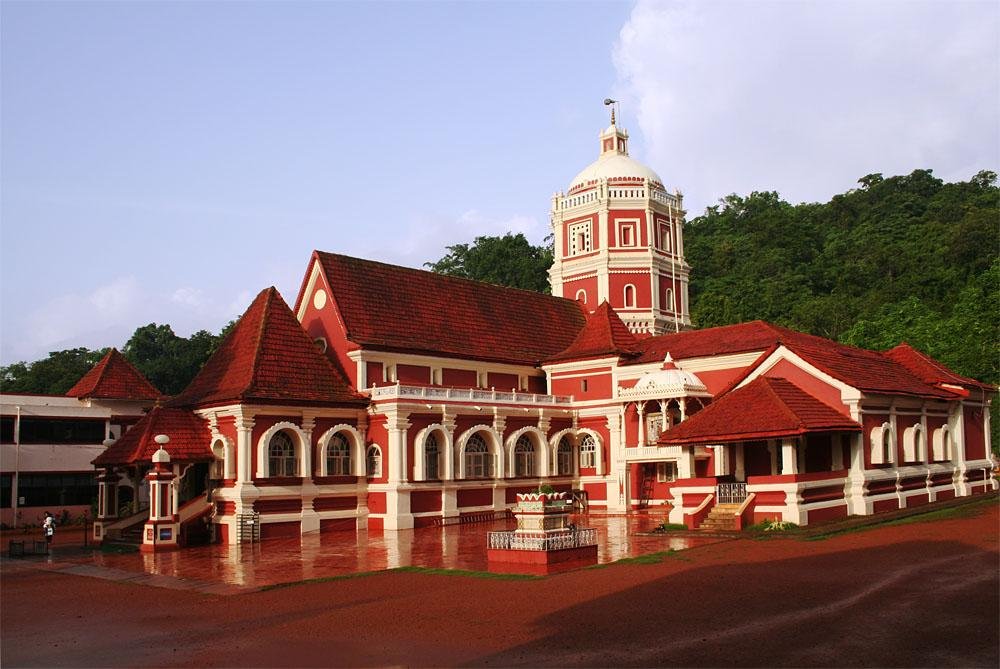
Shree Shantadurga Temple is one of the most prominent temples in Goa, dedicated to Goddess Shantadurga. Located in Kavlem village, the temple is known for its peaceful spiritual environment and elegant architecture which makes it surreal. The goddess is worshipped as the mediator who resolved the cosmic conflict between Lord Shiva and Lord Vishnu. Goddess Shantadurga represents peace, balance, and protection. Devotees seek blessings for harmony in family life, mental calm, and resolution of conflicts by visiting this place.
Namaste 🙏 नमस्ते
Secure your visit • अपनी यात्रा सुरक्षित करें
Historical background and Architectural splendor
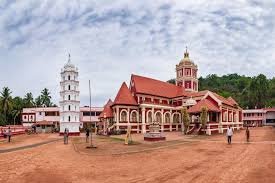
The temple has deep roots in Goan history and was relocated to Kavlem during the Portuguese era to protect the deity. Over time, it became a major spiritual centre for devotees across Goa and Maharashtra. The temple showcases classic Goan temple architecture with a spacious courtyard, deepstambha, and ornamental lamps. The structure reflects both spiritual elegance and regional craftsmanship. The “Deepstambha” symbolises the removal of darkness and ignorance, representing the presence of divine light guiding devotees toward peace and spiritual awareness. During major celebrations, the illuminated deepstambha becomes a striking focal point of devotion within the temple courtyard
Religious Significance
Goddess Shantadurga is worshipped as the divine force of peace and balance, depicted holding snakes to symbolise harmony between opposing energies. The temple follows one of Goa’s most elaborate and deeply rooted ritual traditions, with ceremonies preserved over generations. This sacred temple holds special importance as a spiritual and cultural centre for the Saraswat Brahmin community, making the yatra a meaningful expression of faith, heritage, and devotion.

Festival and Celebrations
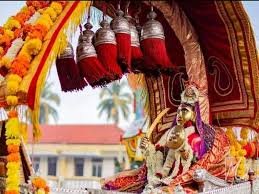
Navratri is observed at Shree Shantadurga Temple in a calm and devotional atmosphere, with special prayers, soft devotional music, and a continuous stream of devotees seeking the goddess’s blessings. The annual Jatra Mahotsav holds deep significance, bringing together the community for sacred rituals, gentle processions, and cultural traditions that have been preserved over generations. Rathotsav is also celebrated with quiet grandeur, as the deity is taken out in a ceremonial chariot, accompanied by chants, music, and heartfelt participation from devotees. Together, these festivals create a warm and spiritually enriching environment, reflecting the temple’s deep-rooted faith and cultural legacy.
Surroundings area & attractions
- Mangueshi Temple – It is one of Goa’s most prominent temples, dedicated to Lord Shiva and known for its elegant architecture and deepstambha.
- Shri Mahalasa Temple –A revered temple dedicated to Goddess Mahalasa, closely associated with Goa’s Saraswat Brahmin heritage.
Connectivity :
- By Road: Ponda is the main town connecting the temple to other Goan cities like Panaji and Margao via NH 4A and NH 66. The temple is about 4 km from the Ponda KTC bus stand. Taxis, auto-rickshaws, and local buses are readily available to reach the temple premises from Ponda.
- By Rail : The nearest major railway stations are Madgaon Junction and Karmali Railway Station. Madgaon is approximately 21 km away, while Karmali is around 20-25 km from the temple. Taxis can be hired from these stations to reach the temple.
- By Air: Dabolim International Airport (GOI) is the closest airport, located about 30 km away. The new Manohar International Airport (Mopa, GOX) is further away, at approximately 60 km. Taxis and buses are available from both airports to Ponda, where local transport can be used to reach the temple
Notable Events and Incidents
- The Divine Legend: According to Puranic legends, a fierce battle raged between Lord Shiva and Lord Vishnu, threatening the cosmic balance. Lord Brahma prayed to Goddess Parvati to intervene and stop the conflict.
- Goddess of Peace: Goddess Parvati appeared in the form of Shantadurga (Shanta-Durga, meaning the peaceful Durga). She mediated between the warring gods, holding a serpent in each hand, representing Shiva and Vishnu, to settle the fight and restore peace.
- Destruction by Portuguese (16th Century): The original temple, located at Quelossim (Keloshi) in the Salcete taluka, was destroyed by the Portuguese during the period of religious persecution around 1564-1566 AD.
- Temple Construction (1713–1738 AD): The current magnificent temple structure was constructed during the reign of the Maratha ruler Chhatrapati Shahu, who provided funds and the land (village of Kavlem) for the temple's reconstruction. Naroram Mantri (Rege), a minister in Shahu's court, was instrumental in its construction.
"Embrace Divine Peace: Experience, Pray, & Celebrate Shree Shantadurga Yatra with Namandarshan."
Visitor information
Address:
FAQs
Shree Shantadurga Temple is a major Hindu temple in Goa dedicated to Goddess Shantadurga, known as the divine mediator who settled the fierce battle between Lord Vishnu and Lord Shiva.
The deity, Shantadurga, is depicted holding two serpents — symbolizing Lord Vishnu and Lord Shiva — signifying peace between divine forces
The temple is located at Kavale (Kavlem), Ponda Taluka, Goa, about 30–33 km from Panaji (capital).
The original temple was at Keloshi (Quelossim) but was destroyed during Portuguese rule. The deity was relocated and worship continued at Kavale; the current structure is from the 18th century.
Most sources show daily darshan from ~6:00 AM to ~8:30 PM (may vary slightly by season) and no entry fee.
No — entry to Shree Shantadurga Temple is generally free for visitors.
Policies on entry can differ between temples in Goa; some temples have specific dress codes/behavior expectations, so it’s best to check at the temple entrance if you are unsure. (Visitor norms often shared by local devotees)
The closest airport is Goa International Airport (Dabolim) — about ~28–40 km away depending on route.
The nearest major station is often listed as Karmali / Madgaon (depending on source), with local transport available from there.
Yes — the temple is well connected by road; taxis, rental vehicles, and buses from Panaji and nearby towns are common ways pilgrims travel
The Shishirotsav (Jatra Mahotsav) — a grand annual temple festival with processions and rituals — is one of the main celebrations.
Navratri, Dasara, Ganesh Chaturthi, and Rathotsav (chariot festival) are some of the widely celebrated occasions.
Photography is usually allowed in the outer temple complex, but may be restricted inside the sanctum out of respect for the deity.
Yes — there are guesthouses (agrashalas) and accommodation facilities for devotees near the temple (booking may be regulated, especially during festivals).
The temple complex often has canteens and prasad services for pilgrims; carrying water and essentials is still recommended.
Visitors should wear modest and respectful attire — traditional clothing is often preferred during rituals and festivals.